Cupertino is internationally recognized as the home of Apple, yet its daily life is organized around much smaller places: a library visit, a school route, a favorite Asian restaurant, a market on a neighborhood commercial street, or a walk through McClellan Ranch Preserve. The public image of a glass-ring technology campus exists beside quiet houses, established trees, and the low profile of ranch-era neighborhoods.
The city lies near the western edge of the Santa Clara Valley, so the built environment changes as one moves toward the foothills. Eastern streets connect to Sunnyvale, Santa Clara and San Jose; westward, larger site contours and the approach to the mountains alter house orientation, views and access. This is why the city's appeal cannot be described solely by its employer base or a school score.
Cupertino's agricultural past was linked to the fruit-growing valley and to settlements such as Monta Vista. Ranches and orchards became schools, residential streets, shopping centers and business parks over the twentieth century. Residents incorporated Cupertino in 1955 partly to preserve local decision-making while neighboring cities expanded.
The arrival and growth of the technology economy brought a different scale of international attention, especially through Apple. Apple Park is a landmark of modern corporate architecture, but the broader story includes semiconductor and computing history, immigrant entrepreneurship, community institutions and local businesses. Festivals and restaurants reflect the city's cultural variety, not merely its workforce.
Named subdivisions are descriptive rather than school-assignment or zoning guarantees; property boundaries and district lines must be checked for each address.
Monta Vista predates modern Cupertino as a named community. Its streets around the western part of the city carry remnants of earlier residential development, while nearby foothill roads lead toward a markedly different landscape from the flat valley floor.
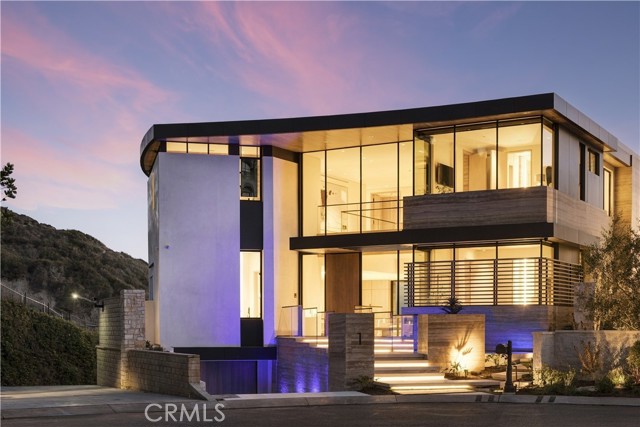
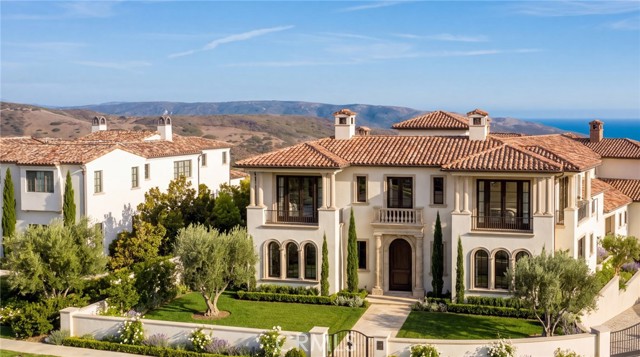
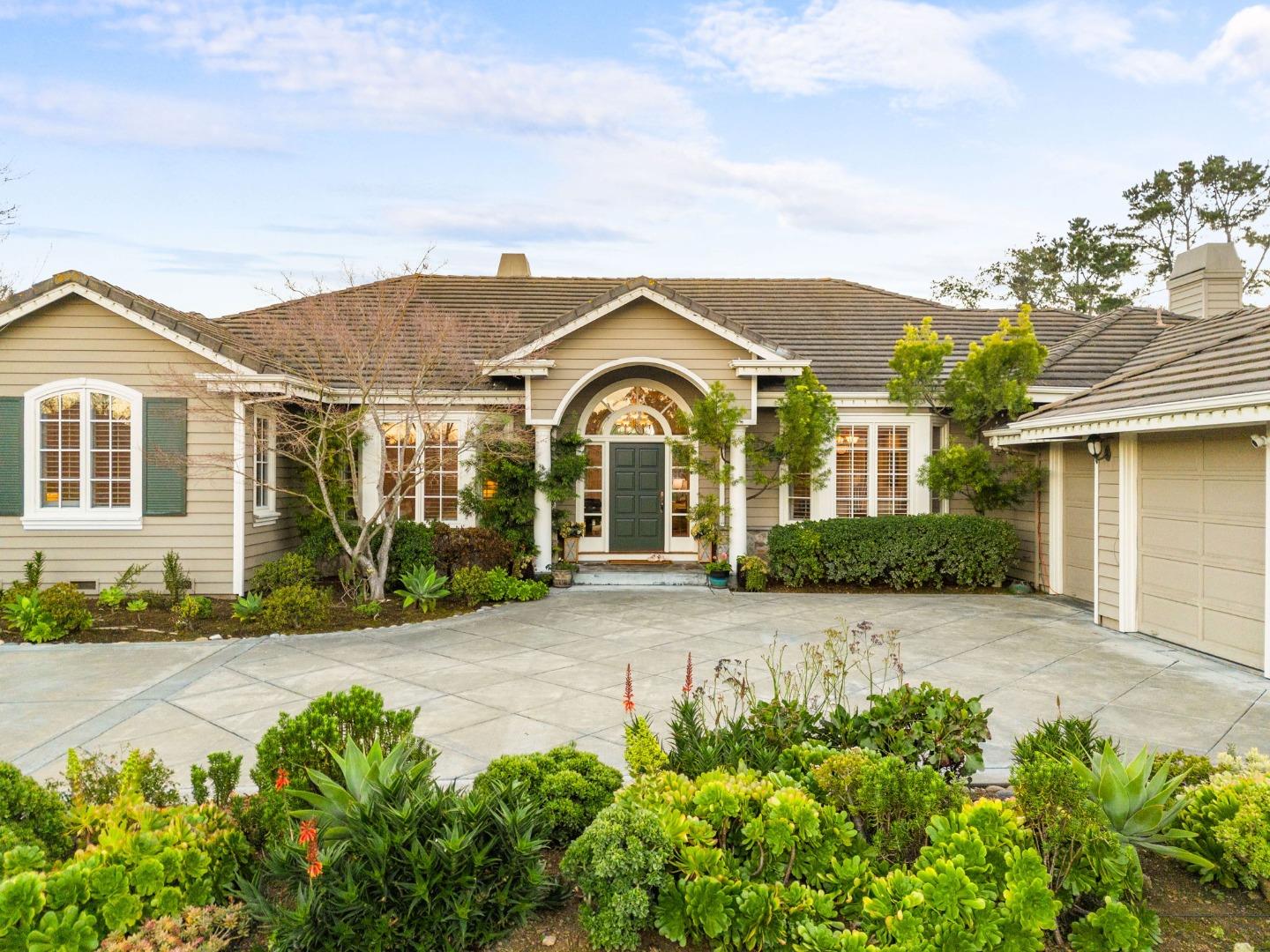
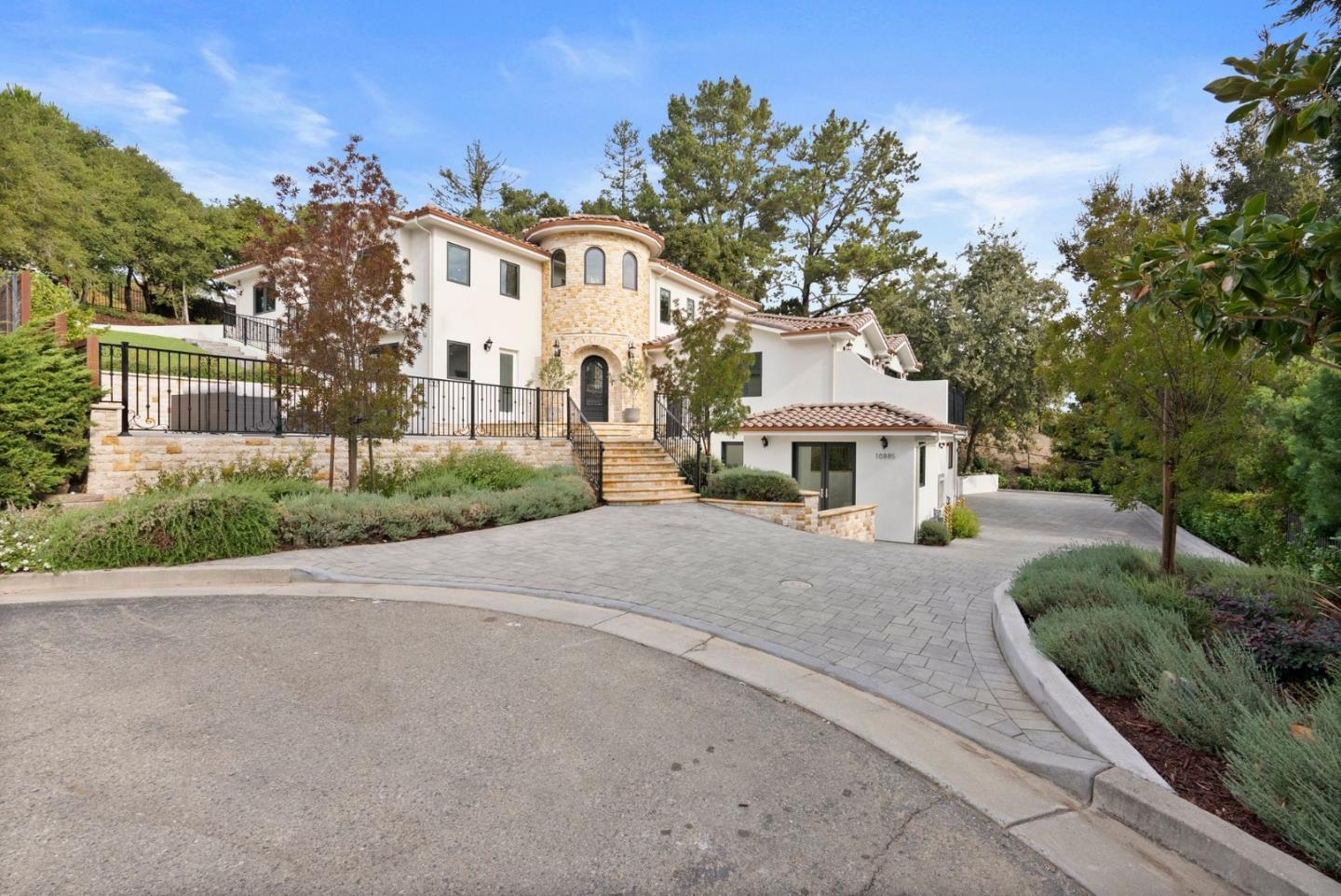
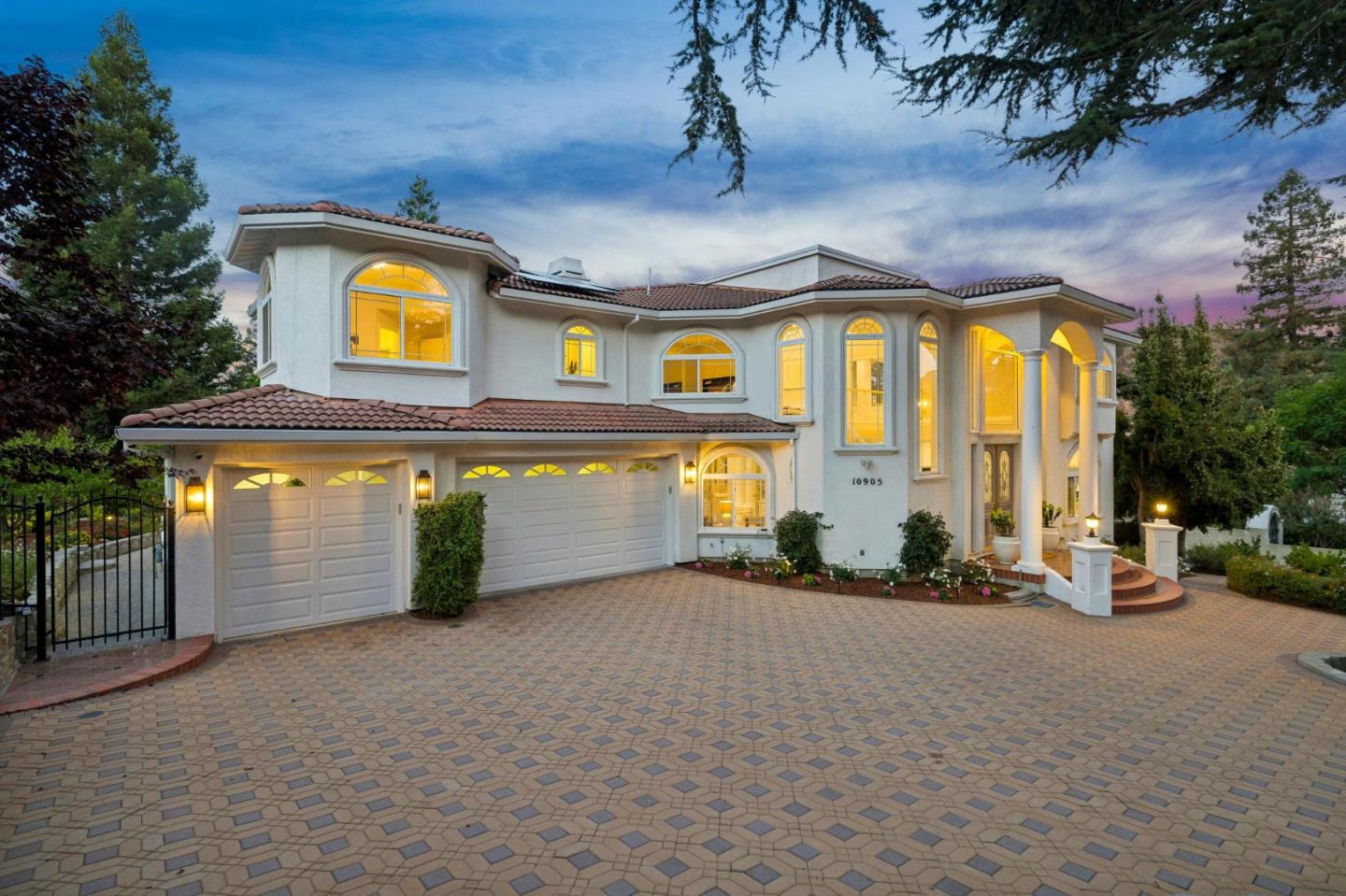
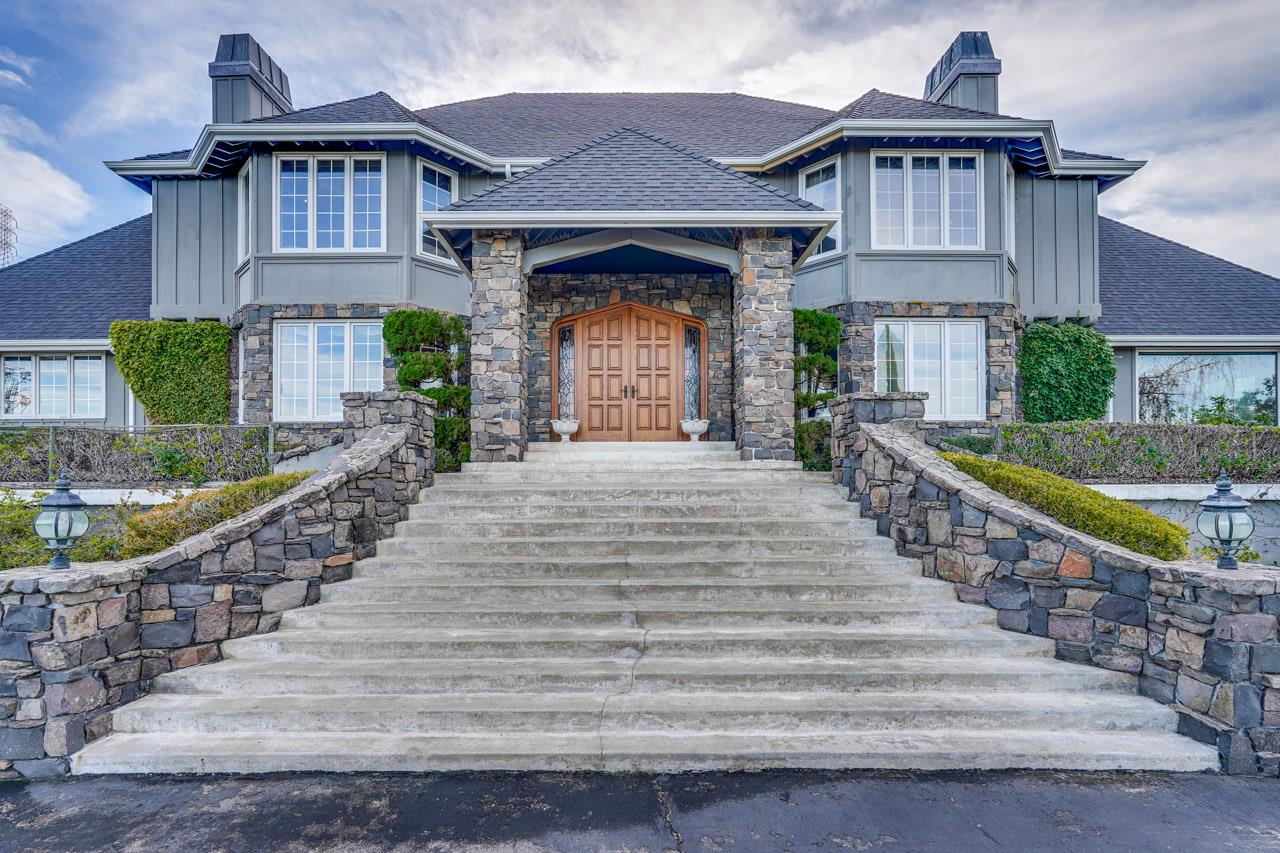
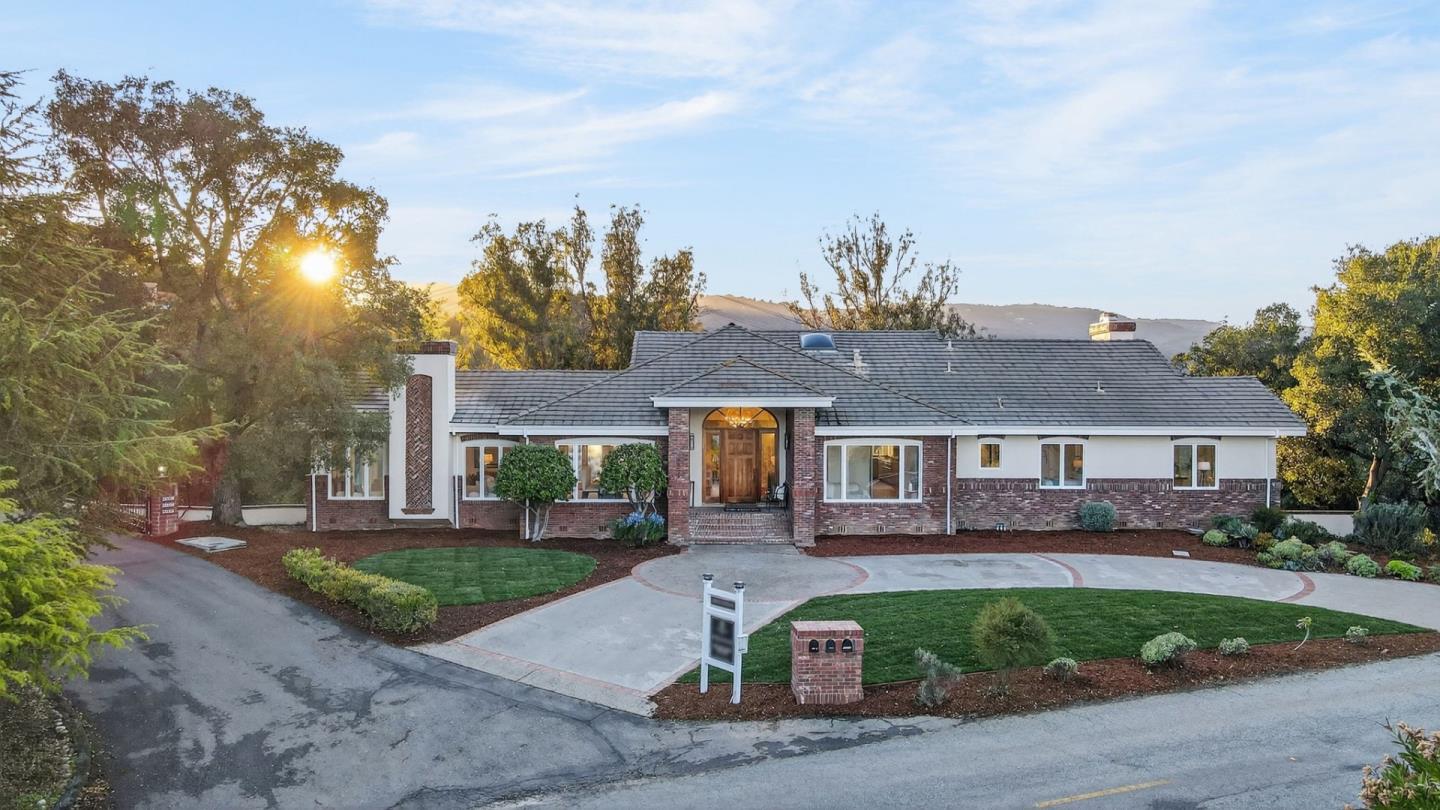
Older homes, later ranch houses and contemporary replacements appear side by side. Some properties have generous landscaping or gradual grades; others approach more complicated hill sites. The position of a home relative to mountain roads and schools can matter as much as its architectural style.
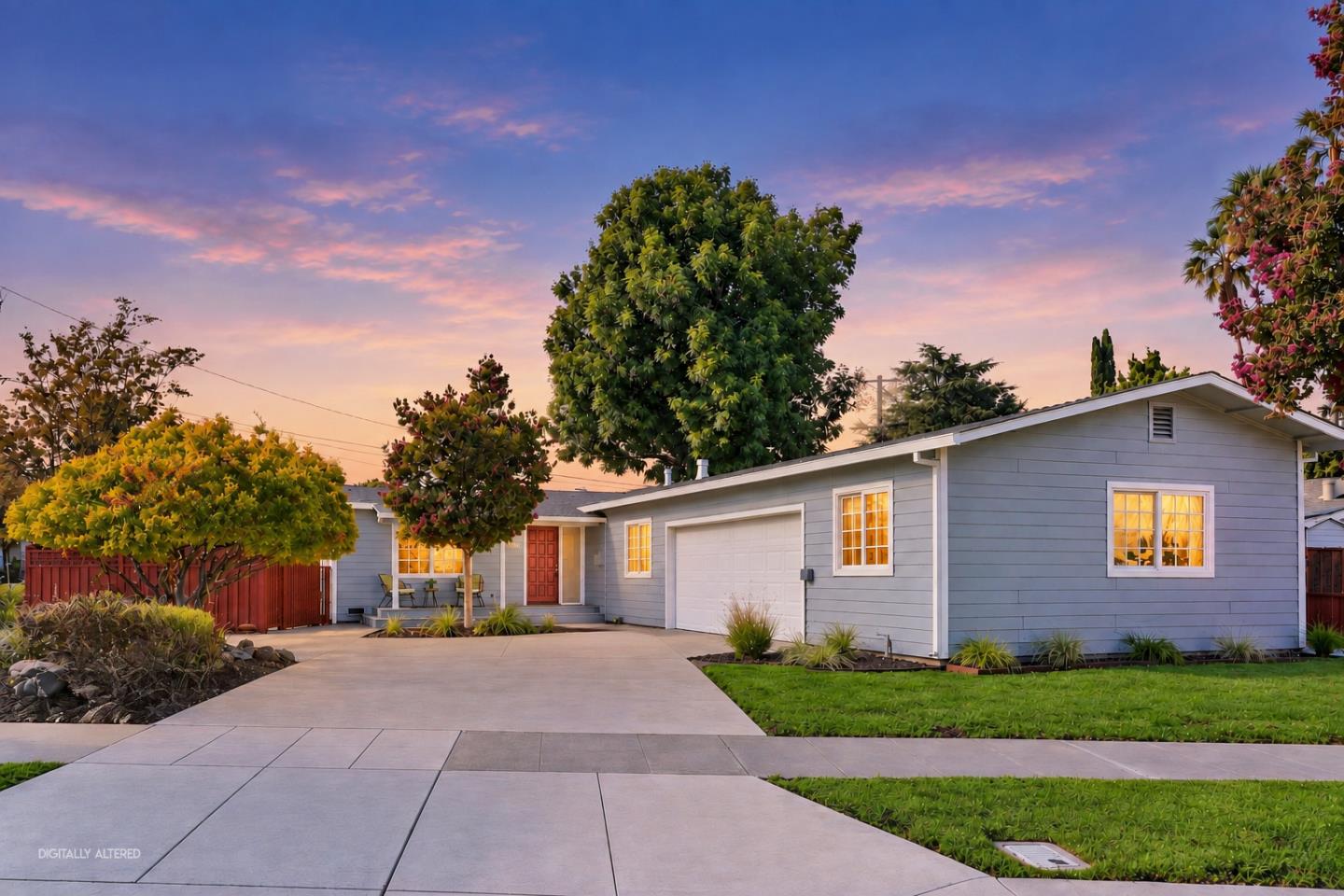
Rancho Rinconada is recognizable for its postwar residential pattern and community institutions. Parcels and original homes are often more compact than in some western Cupertino neighborhoods, giving its streets a relatively intimate, lived-in scale.
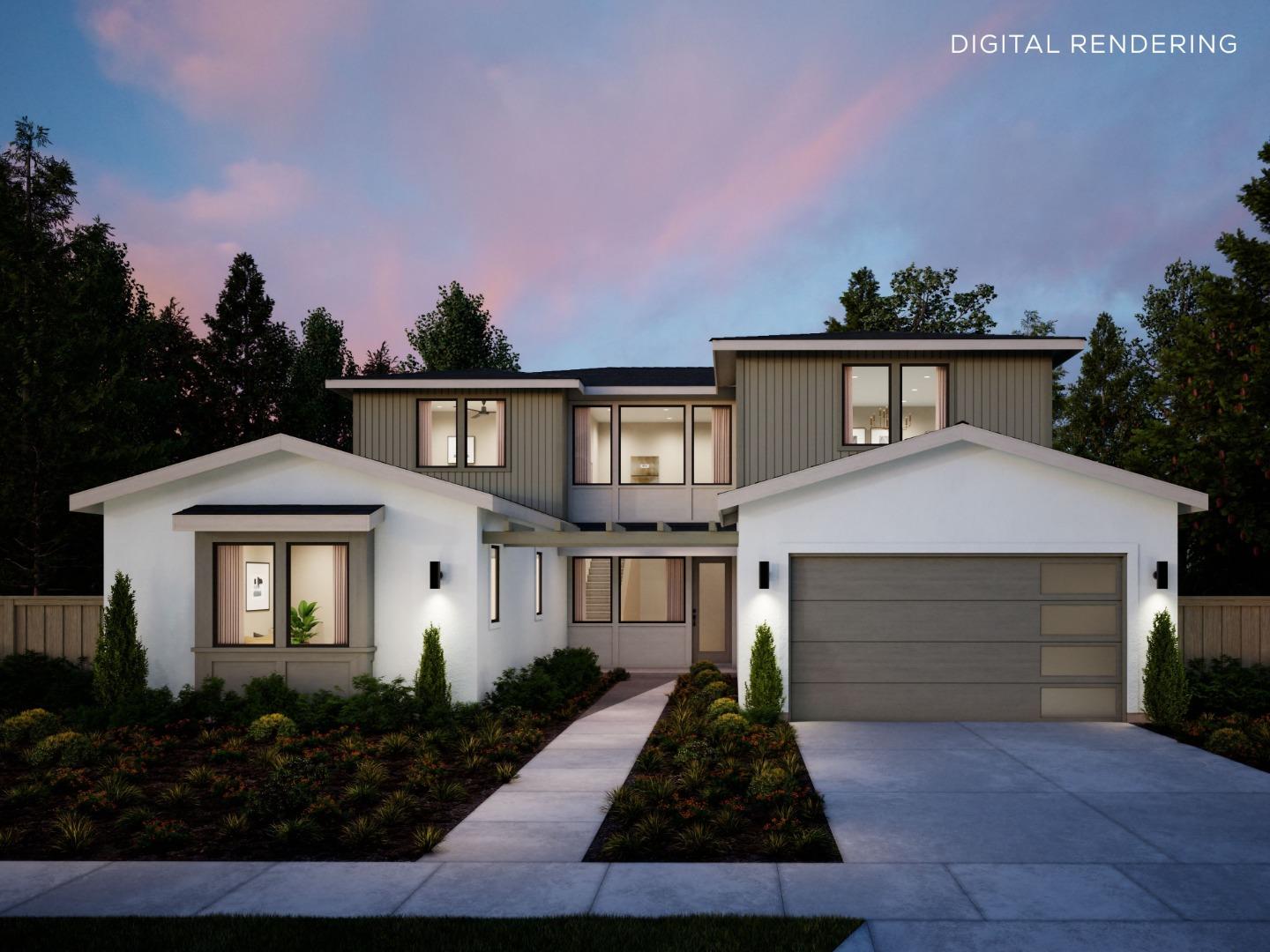
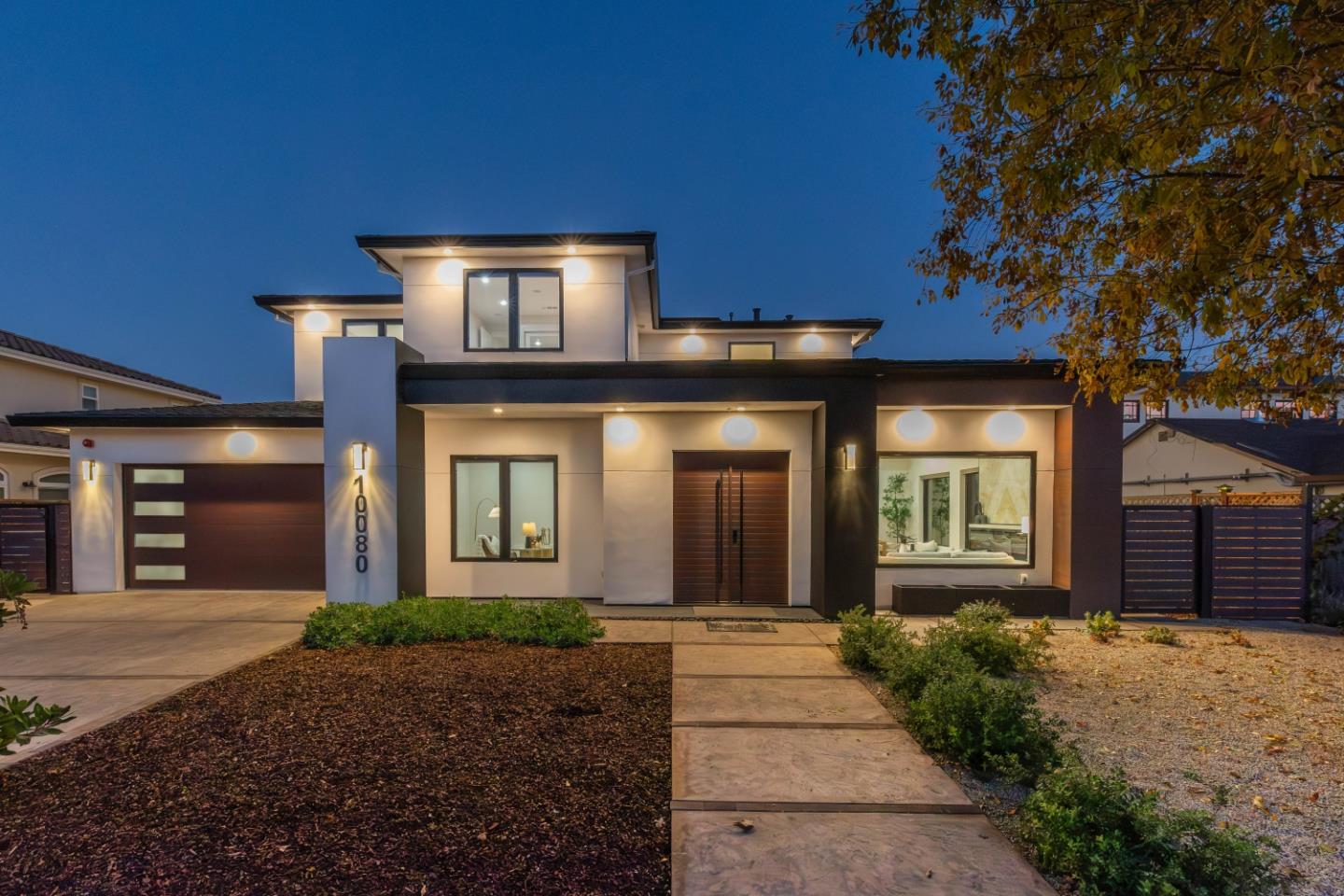
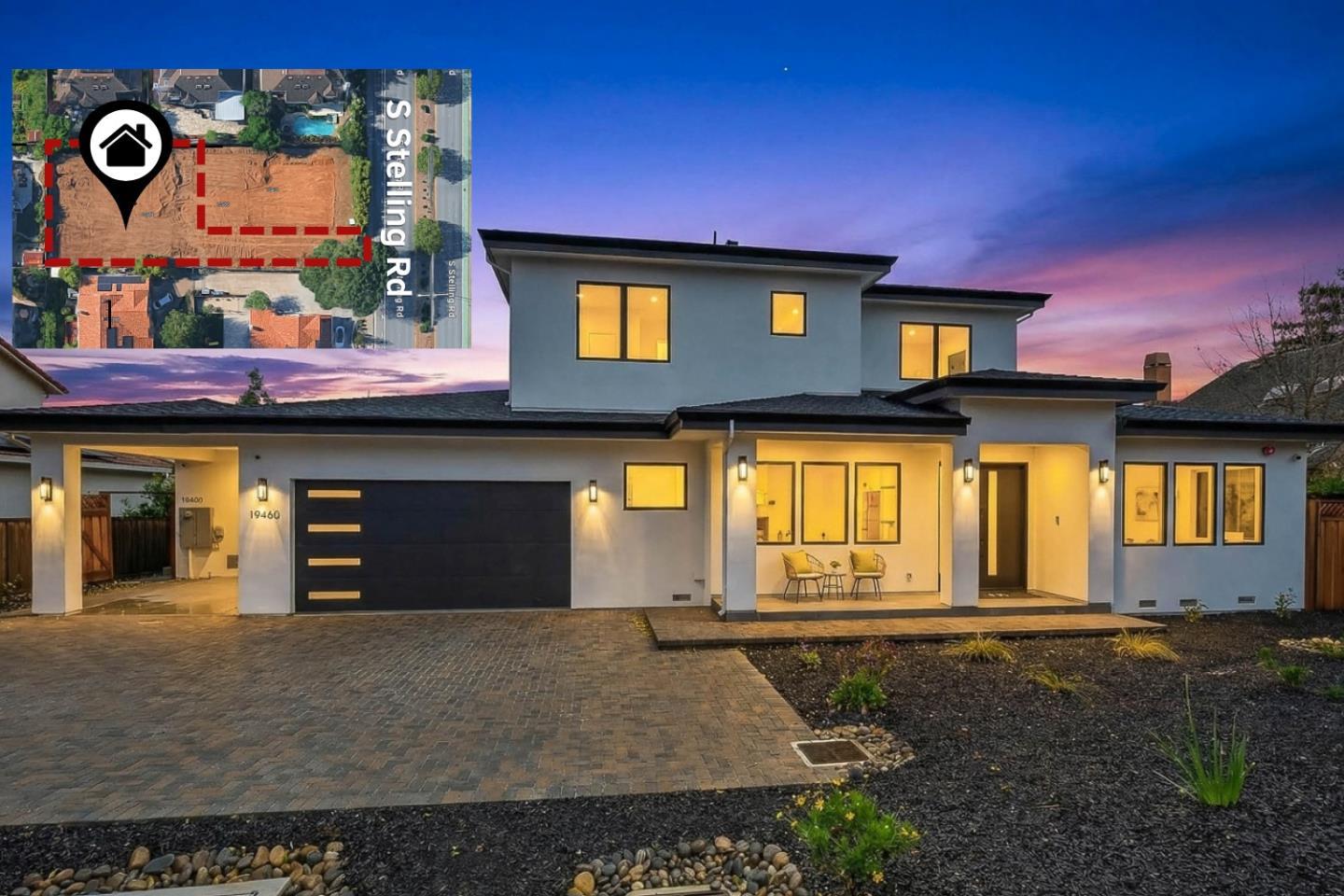
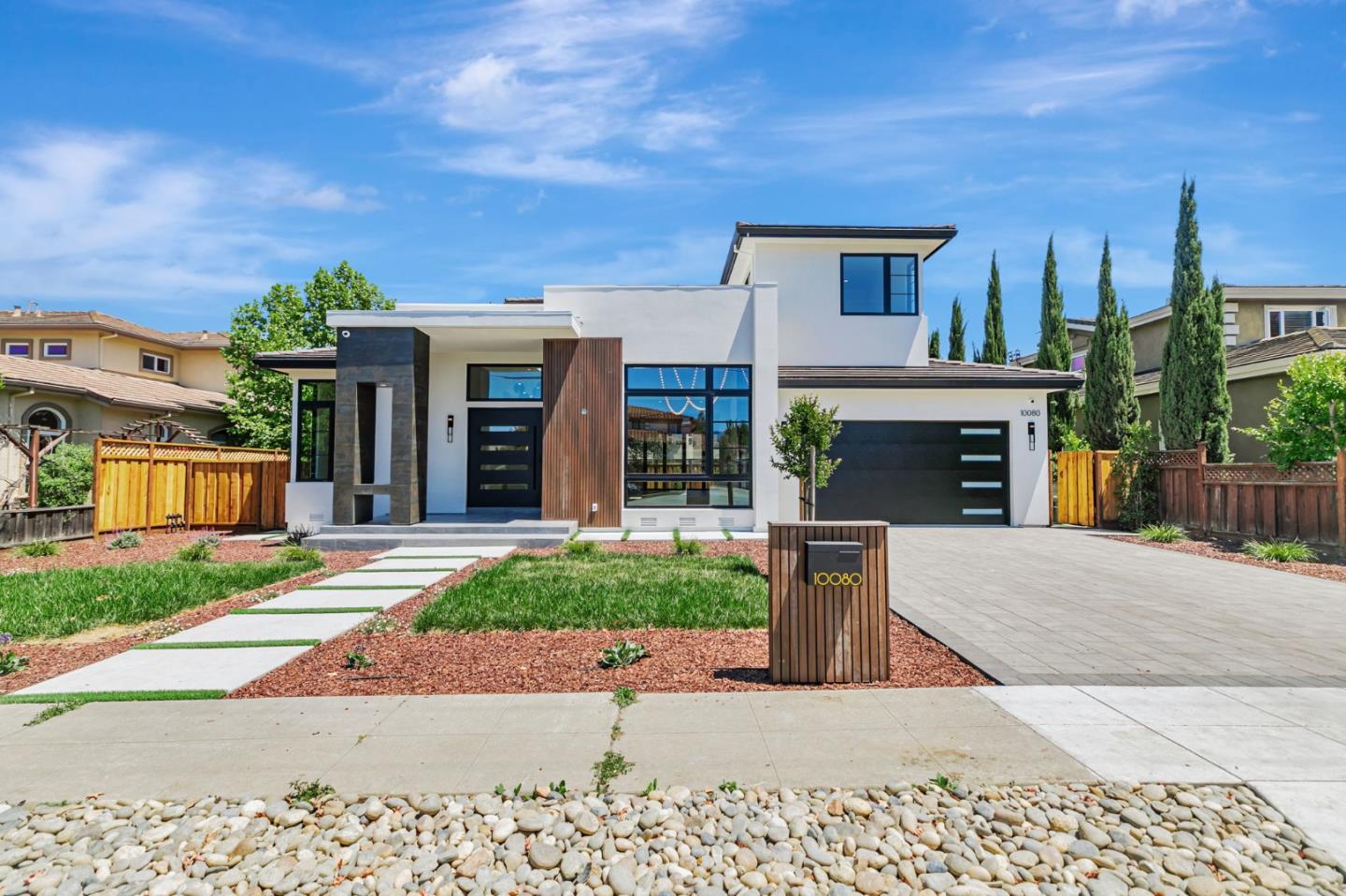
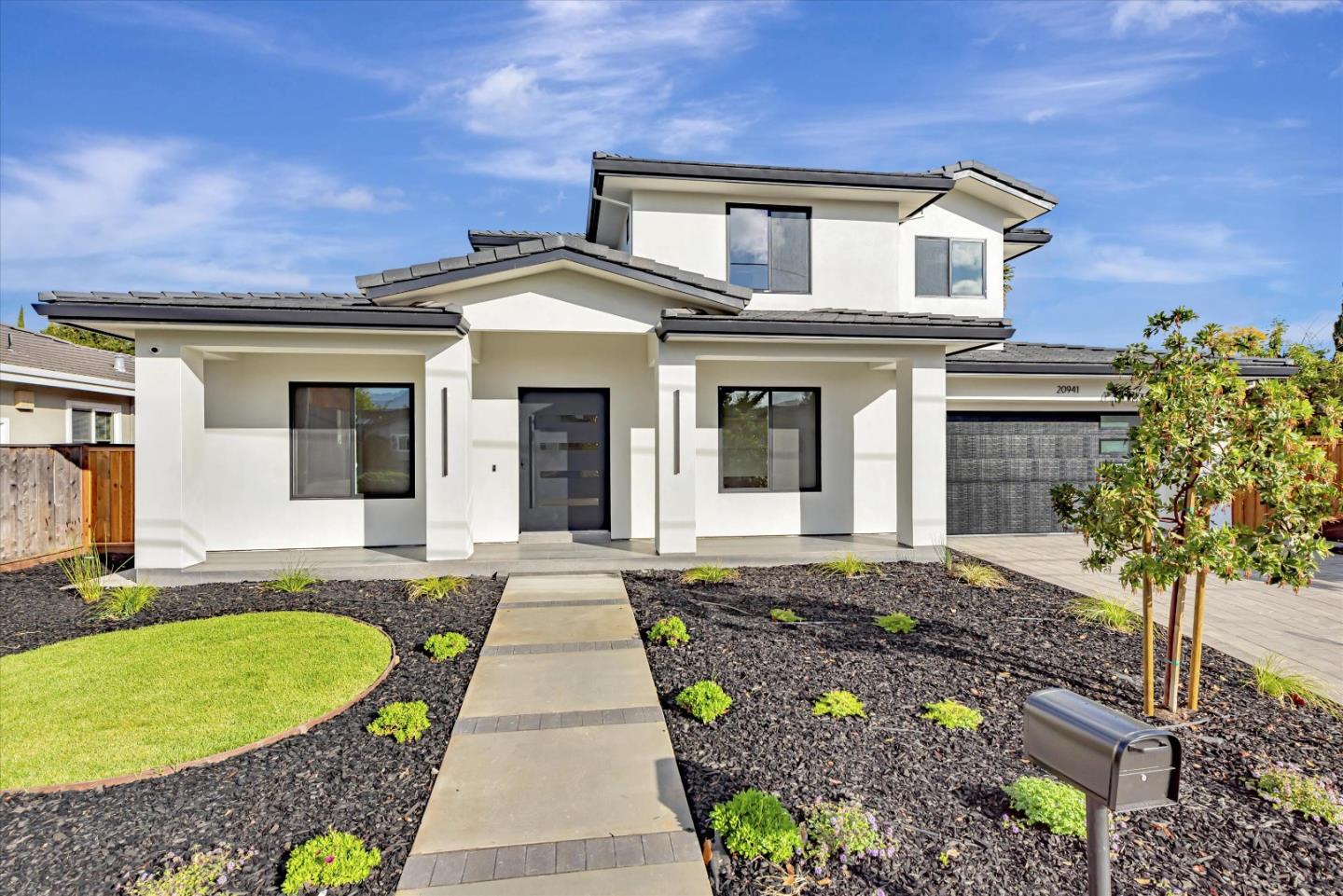
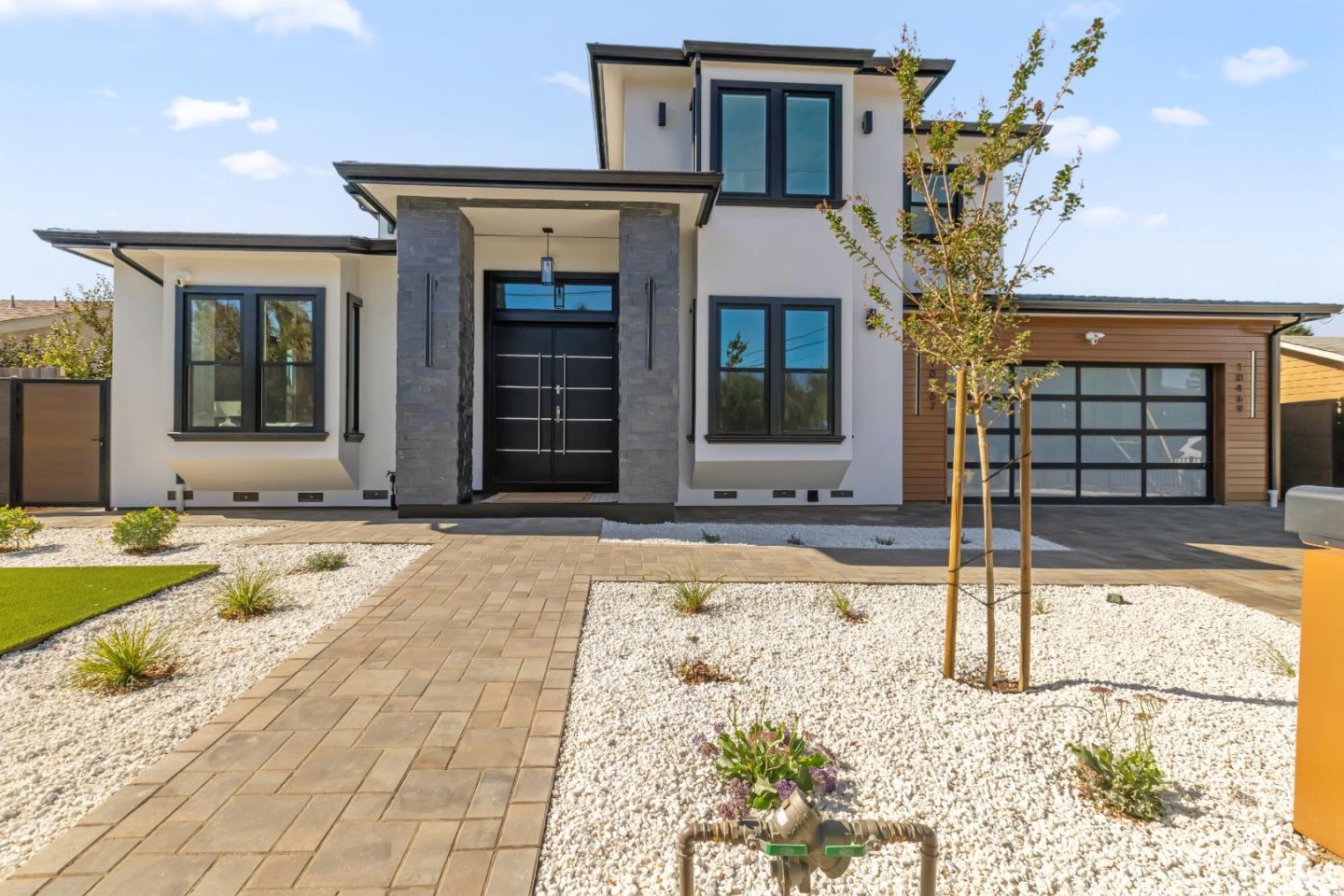
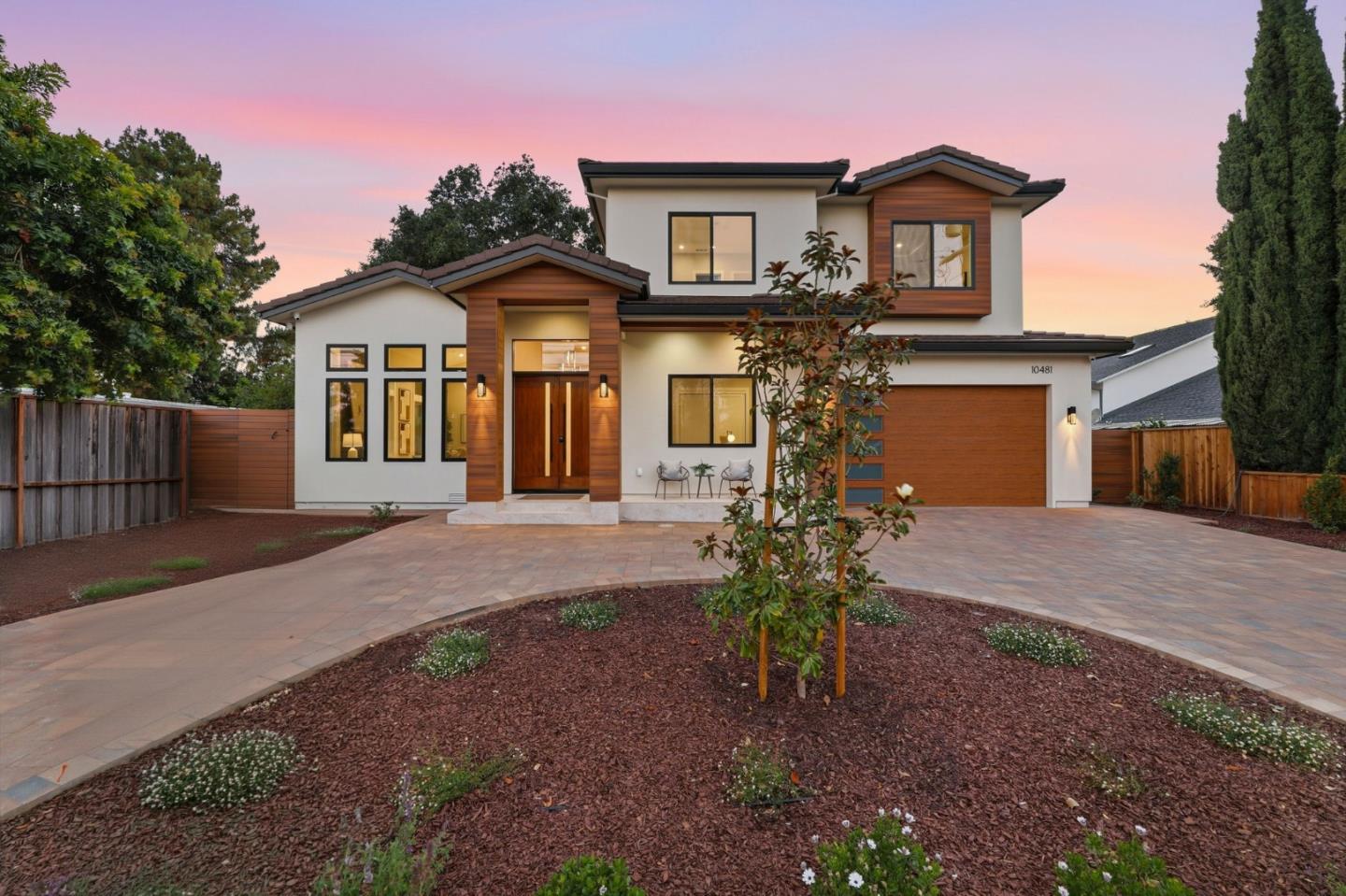
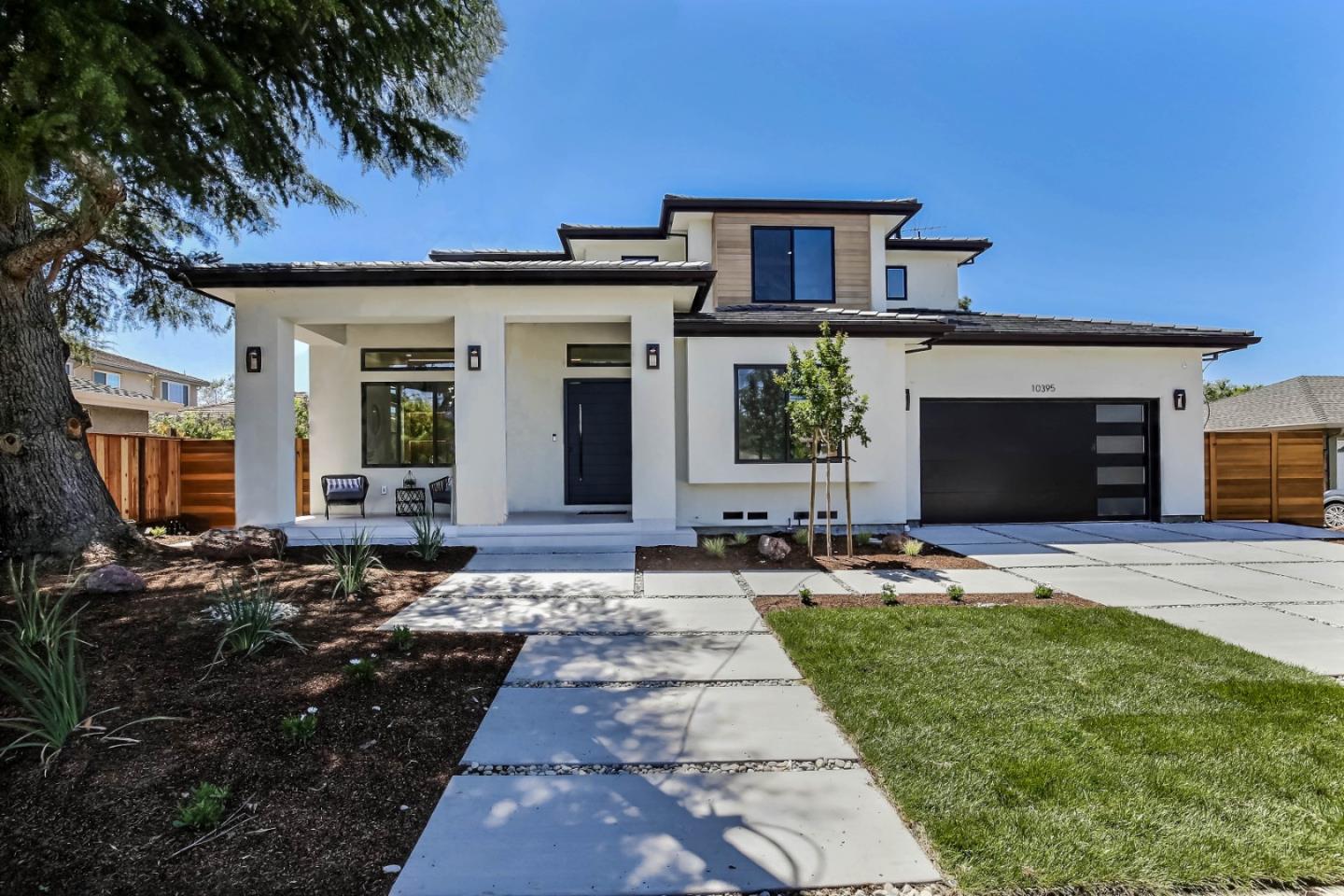
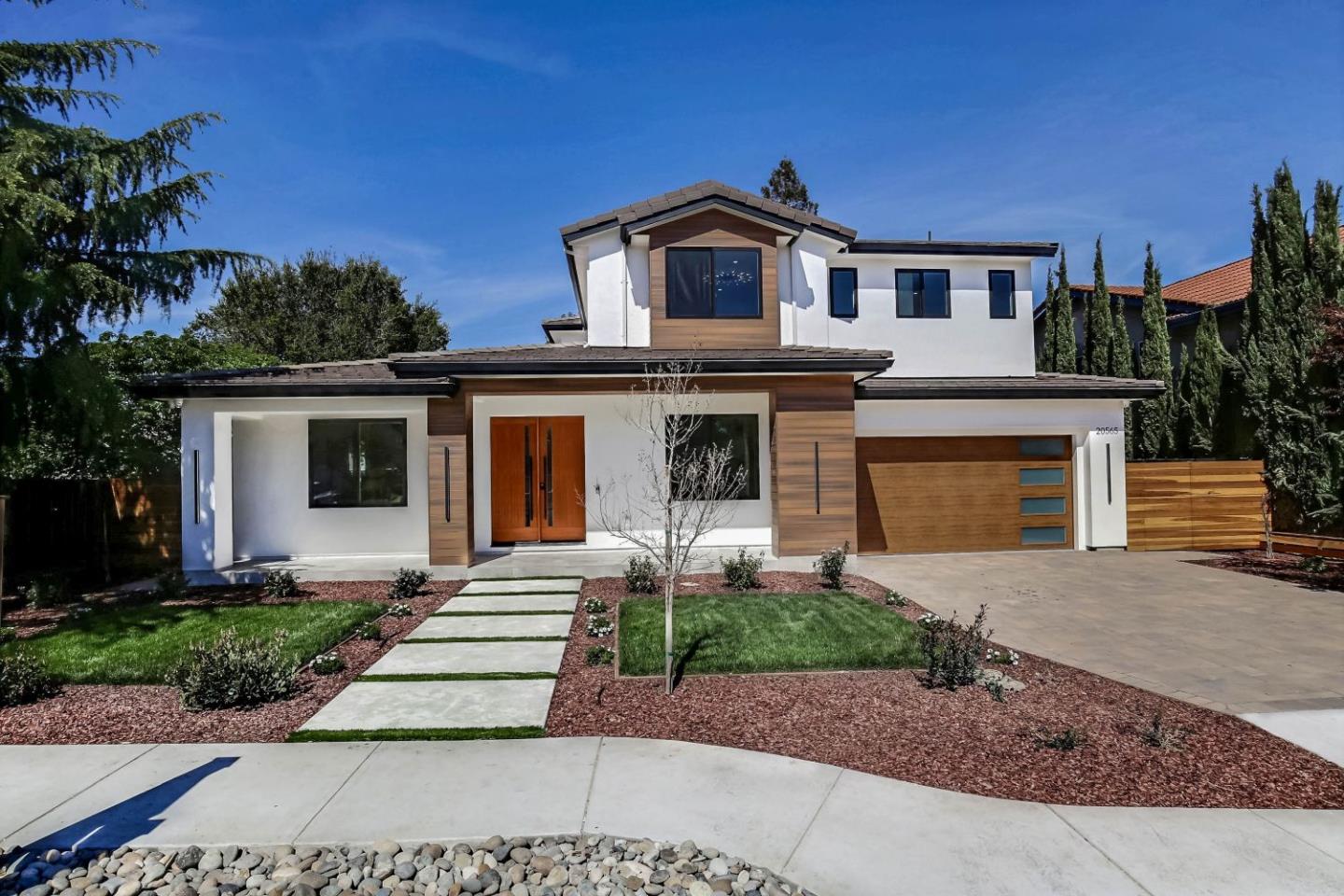
Remodeling has added rooms, reworked entry sequences and transformed façades. That evolution makes building permits, usable yard space, privacy and the relationship between new construction and older neighboring houses important parts of local real estate knowledge.
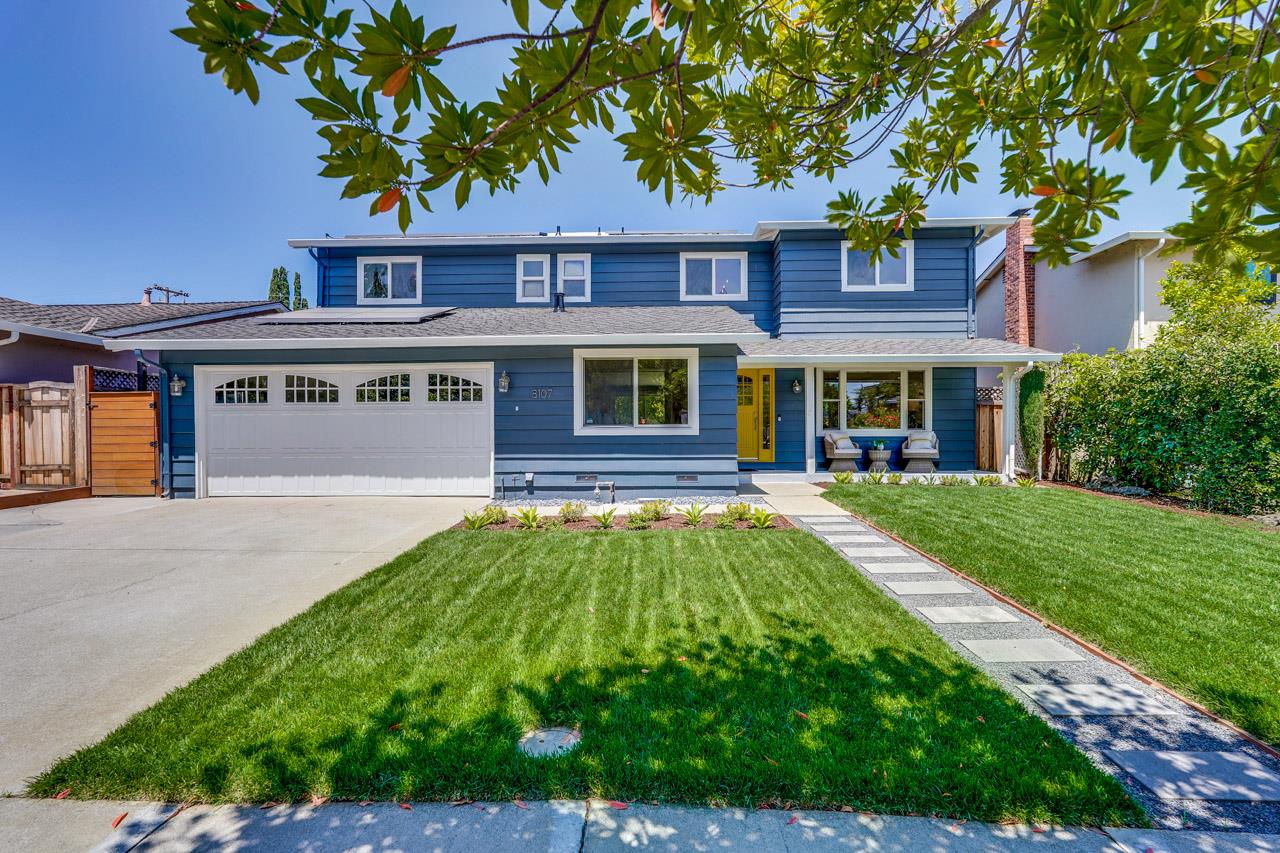
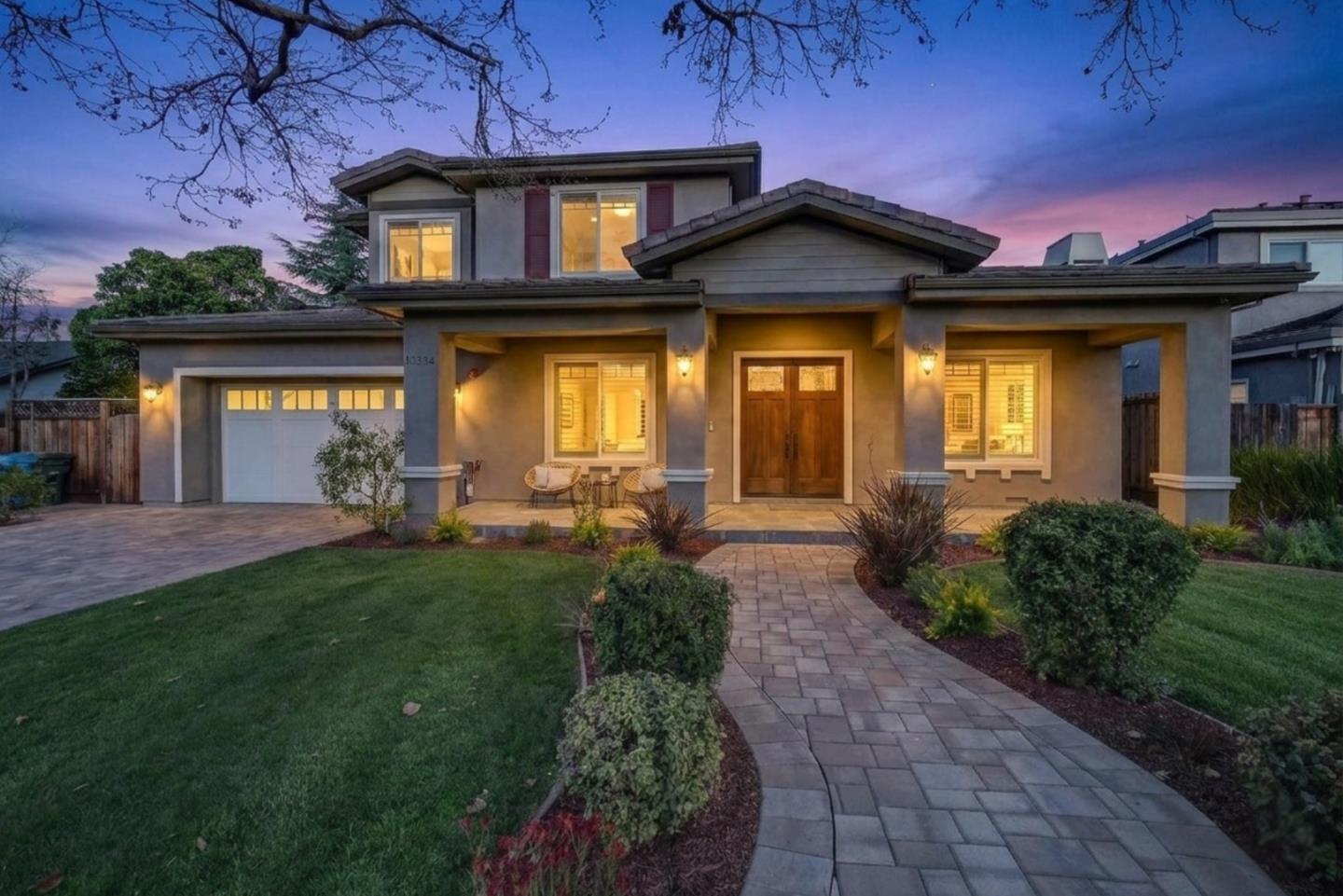
Garden Gate and surrounding central Cupertino neighborhoods represent mid-century suburban planning, with ranch-era houses, mature gardens and everyday connections to local parks, schools and shopping. The street pattern differs from Monta Vista's older settlement and from more recent townhouse communities.
An old single-story footprint can make the lot feel unusually open. An addition may improve circulation while changing light and garden area. The true quality of a renovation lies in that balance rather than an automatic preference for newer construction.
The Seven Springs area and southern Cupertino streets combine established homes with more contemporary residential patterns and proximity to the city's southern boundaries. Some developments have association responsibilities and common facilities; others are conventional detached-home neighborhoods.
Not every home in this vicinity has the same city, district or zoning status. The route to parks and regional roads is often more relevant to daily life than the broad subdivision name.
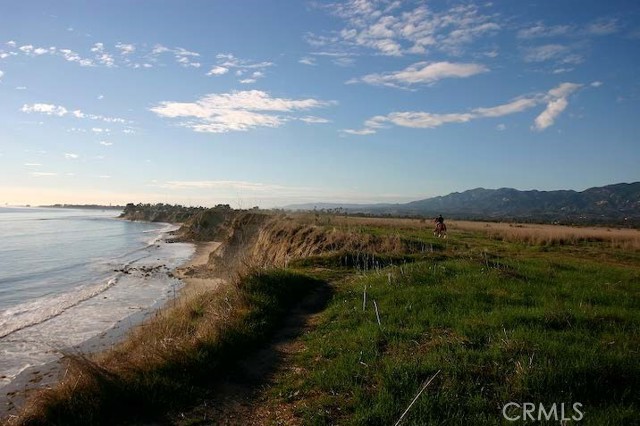
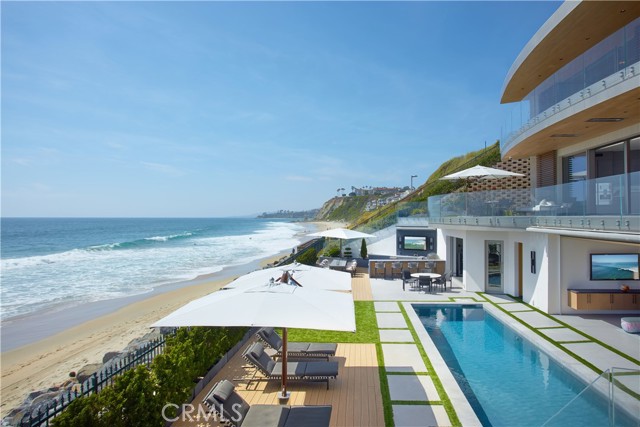
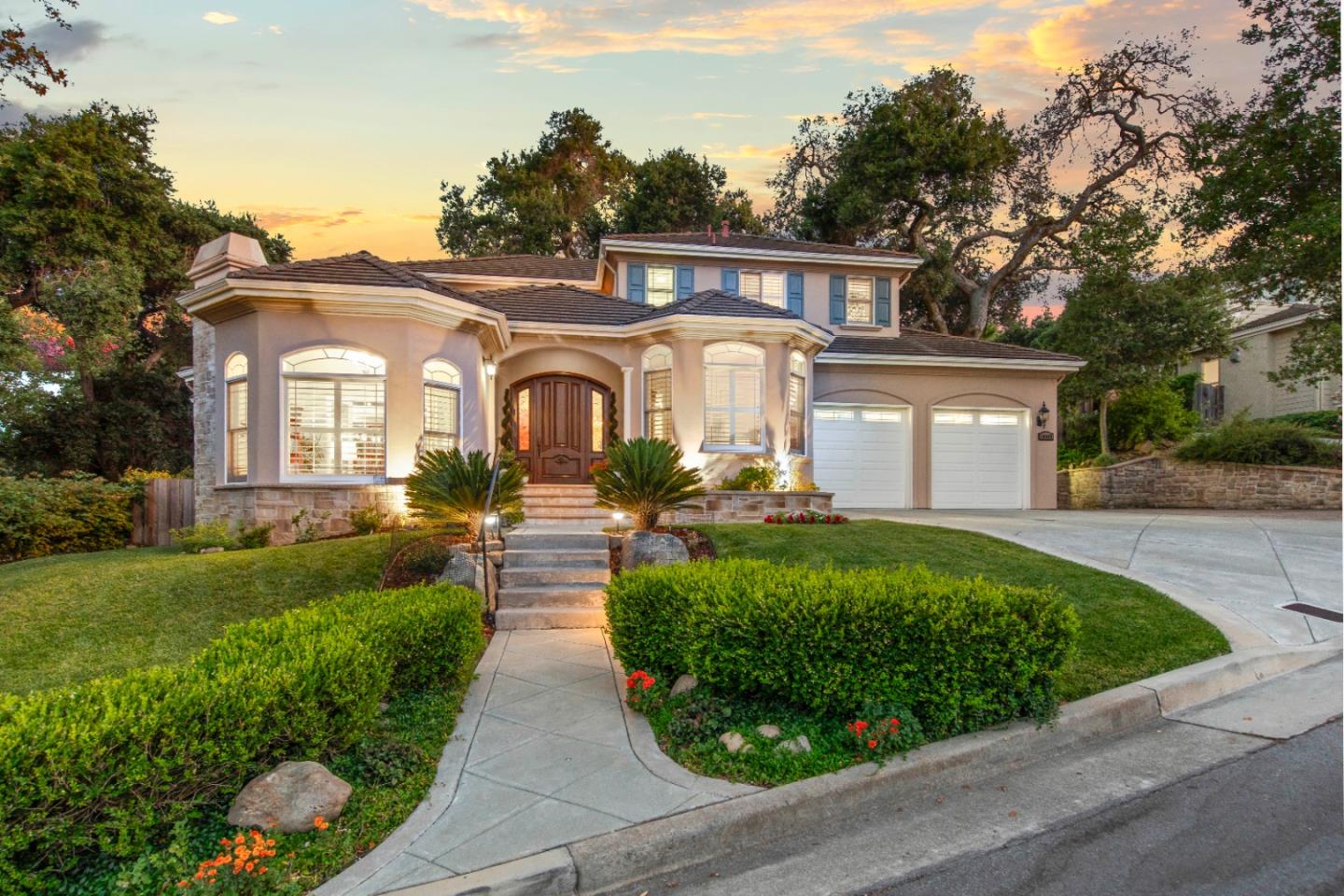
Toward the western terrain, the relationship between house and land becomes more individualized. Trees, view corridors, grades and drainage can change dramatically within a few blocks, making site design and maintenance part of the architectural experience.
This area is not simply a larger-lot version of Rancho Rinconada. A gentle parcel and a wooded slope may have similar acreage but very different usable outdoor areas and construction obligations.
Cupertino's dining is a real expression of its community. Restaurants and bakeries serving Chinese, Korean, Indian, Japanese and many other cuisines share commercial corridors with markets, cafés and national businesses. Shopping and gathering activity spreads across Main Street Cupertino, the surrounding commercial centers, and neighborhood nodes rather than one historic railroad downtown.
The Cupertino Library and civic center support learning and public programs. Memorial Park hosts everyday recreation and community events, while McClellan Ranch Preserve offers a creekside natural setting, an environmental education center and a connection to the area's ecological history. De Anza College contributes cultural and educational activities beyond traditional K–12 schooling.
Cupertino is served by multiple school districts depending on a specific property, including boundaries involving Cupertino Union and Fremont Union along with other adjacent districts in some areas. A Cupertino mailing address does not guarantee a particular campus, program, or district. Public-school boundaries and enrollment rules must be checked with the responsible agency.
The city lacks a Caltrain or BART station within its boundaries. Highway 85, Interstate 280, Stevens Creek Boulevard and De Anza Boulevard structure regional travel. VTA and bicycle routes provide alternatives, but the usefulness of transit varies substantially by home and destination.
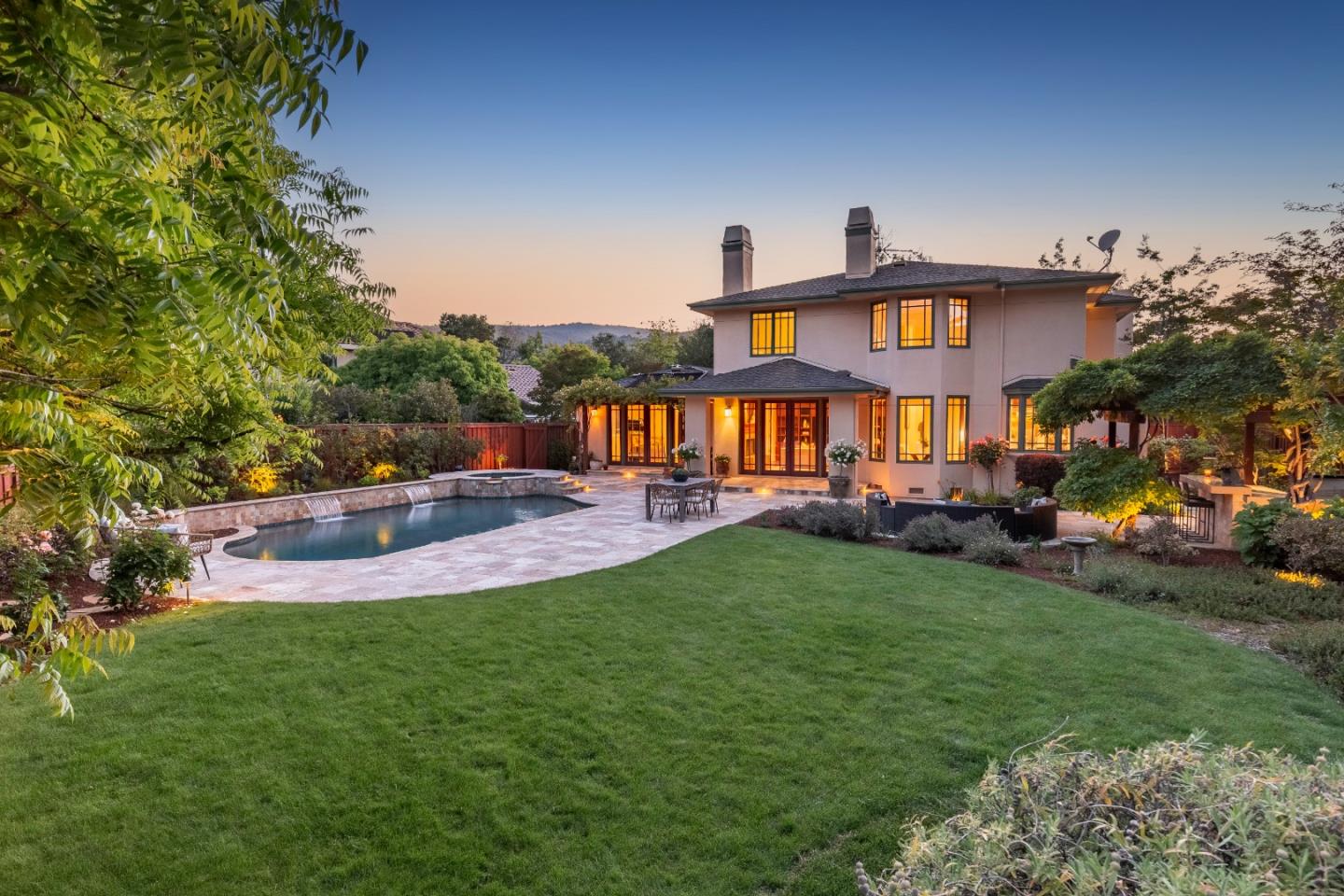
Summer weather is typically dry and warm; winter is wetter, and foothill exposure differs from sheltered valley streets. Gardens, shade, irrigation and tree health are meaningful parts of owning a home here.
Cupertino property values are often discussed through technology employment and school names. Those factors can affect demand, but a responsible valuation cannot stop there. Houses with the same mailing city can differ in district boundaries, lot size, remodeling quality, usability, local road exposure and current comparable sales.
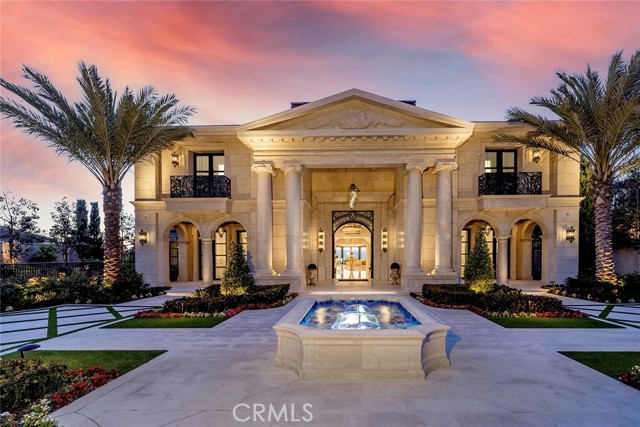
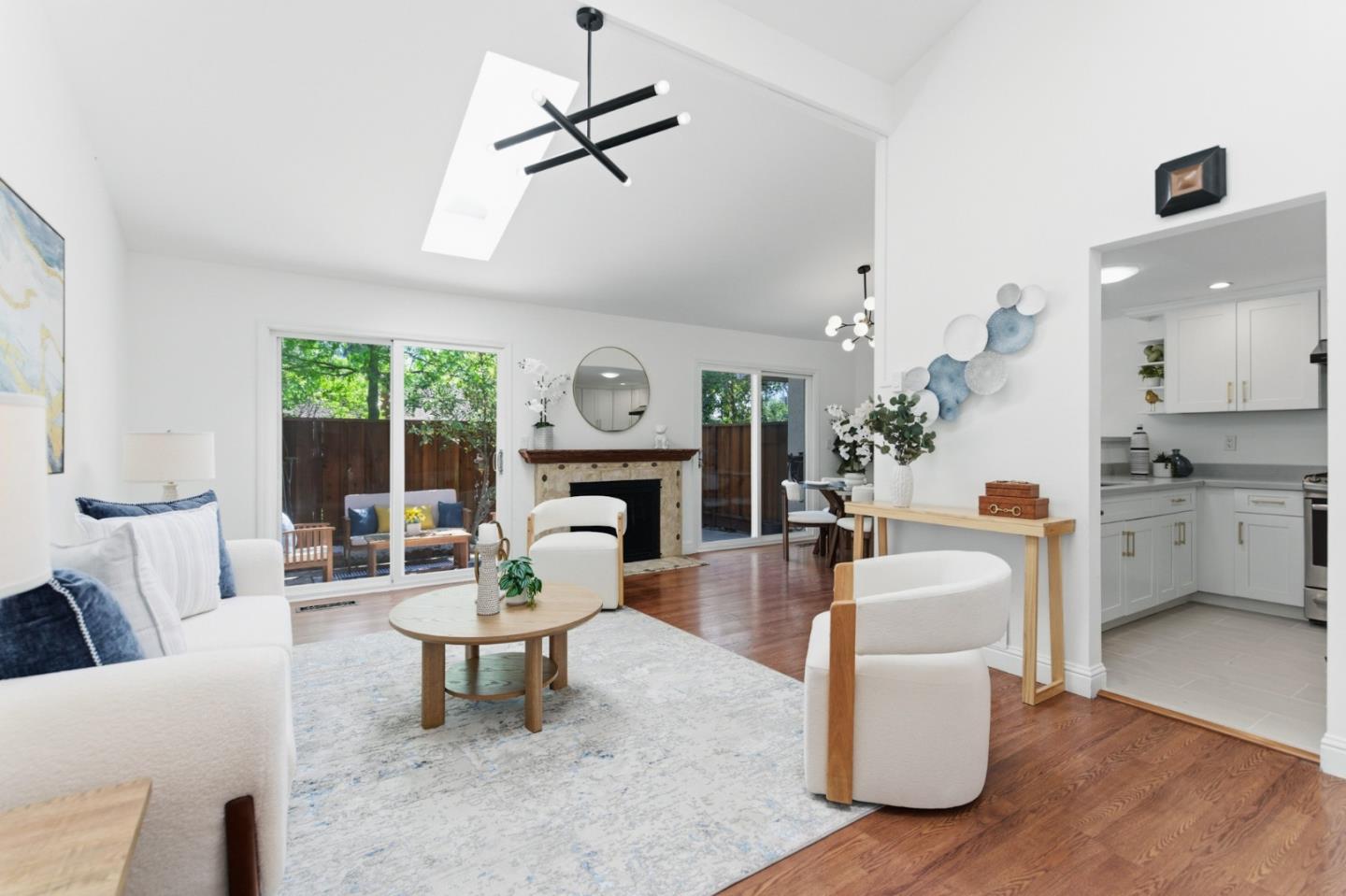
The original ranch housing stock offers a recurring architectural question: preserve a good one-level relationship to the garden, enlarge thoughtfully, or replace with a new design under current rules. On compact lots, a successful plan balances daylight, privacy, storage and outdoor space rather than simply maximizing finished area.
For sellers, the best story is factual and specific: which improvements are permitted, how the floor plan functions, what services are actually accessible, and what makes the site hard to reproduce. No Cupertino or Apple-related narrative guarantees appreciation.
Apple Park is a world-famous landmark, but local life also centers on schools, parks, the public library, De Anza College, shopping and a broad array of independent restaurants. The city's older Monta Vista area and newer developments have different histories. An employer's prestige should not substitute for an account of everyday residential life or a reliable property valuation.
No. School jurisdiction depends on actual address and separate district boundaries. Cupertino and adjacent city addresses can be served by different elementary or high-school agencies, and placement policies can change. The correct approach is to use official district tools and confirm enrollment for a specific school year, rather than relying on neighborhood labels or old listing descriptions.
Rancho Rinconada is associated with compact postwar residential parcels and an intimate street scale. Western Cupertino near the foothills can have different land contours, larger gardens or more site-specific construction issues. Neither location should be valued simply by ZIP code: the house, usable land, permitted improvements and real daily routes matter.
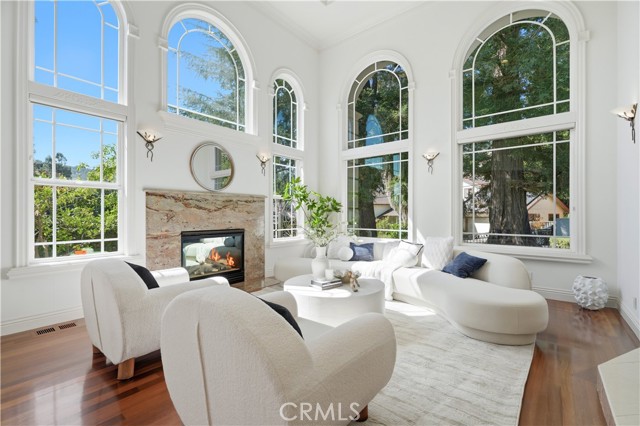
The strongest story is often how a house functions: natural light, single-level circulation, connection to the yard, privacy and recent permitted improvements. If a remodel kept a useful outdoor room rather than maximizing building area, that can be meaningful. Wen Group's architecture-informed perspective can explain these decisions in terms buyers and owners can understand, while using current comparable sales for price guidance.
Cupertino's character emerges from contrasts: global corporate design and familiar neighborhood gardens, innovative workplaces and preserved creek habitat, broad international dining and school-community traditions. The city rewards a view that appreciates the small daily details as much as the famous corporate name.
Browse the available properties in the area below.
Browse the available properties in the area below.