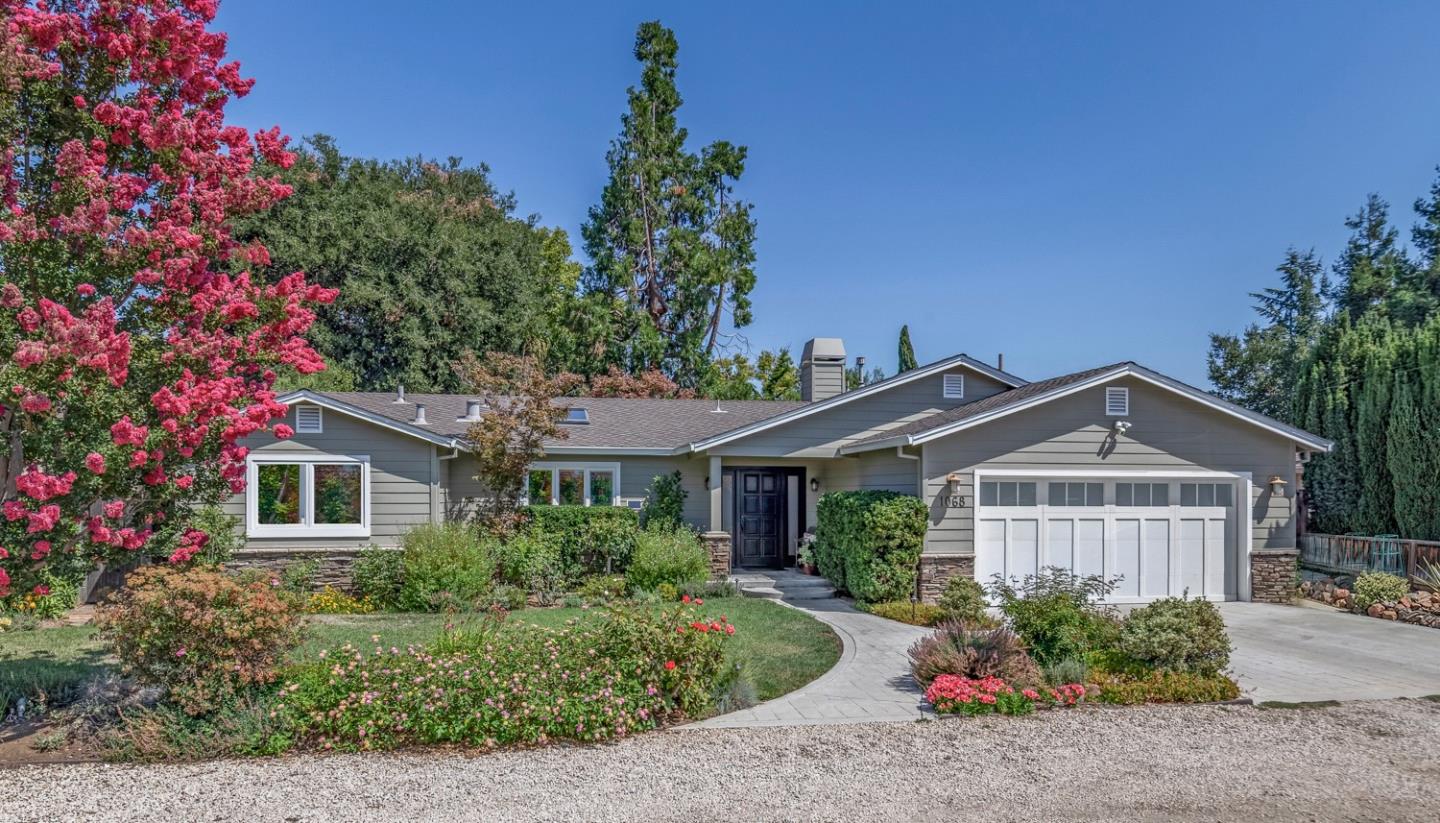
Mountain View is one of the places where Silicon Valley's work and home landscapes sit close together without becoming identical. Castro Street has an animated restaurant, café and community-event culture. Several blocks away, mature trees and earlier houses create a different pace. Farther north, large employment campuses give way to Bayfront open space and the remarkable landscape of Shoreline.
The city is small enough that these environments connect, but not so uniform that one description covers all. In Old Mountain View, walking to downtown may define a routine; near Cuesta Park, gardens and schools may be more central; in the North Bayshore area, employment and transportation planning play a greater role.
The area includes Indigenous Ohlone history and the Rancho Pastoria de las Borregas land grant. Mountain View began as a stagecoach stop, and the arrival of the railroad in the 1860s shifted commercial activity toward what became Castro Street. Orchards, packing businesses and local industries later gave way to residential development and technology.
Historic Rengstorff House, an Italianate Victorian residence now at Shoreline, is a striking reminder of nineteenth-century architecture. It was moved and restored rather than preserved in its original location. That story of adaptation parallels the city's broader shift from farm and rail center to an innovation economy.
Names are locally recognized but are not interchangeable with school, planning or MLS reporting boundaries. A Caltrain-distance estimate also depends on the route and crossings, not just a ZIP code.
Old Mountain View has an older residential street grid and homes reflecting several periods: modest cottages, period-inspired buildings, remodeled houses and contemporary infill. The blocks near Castro Street blend residential life with the energy of downtown.
Living near a café, restaurant or transit connection can be a major part of daily life. The trade-offs are also local: parking, road and train activity, and the size and privacy of outdoor spaces can differ markedly from a more remote single-family neighborhood.
Shoreline West mixes some of the city's older housing with postwar properties and later changes. Residential streets connect toward Downtown, local schools and smaller parks.
A mature front garden and a well-proportioned older house may give a street its personality. Remodeling decisions can either strengthen that relationship or create a building that feels out of scale with its immediate neighbors.
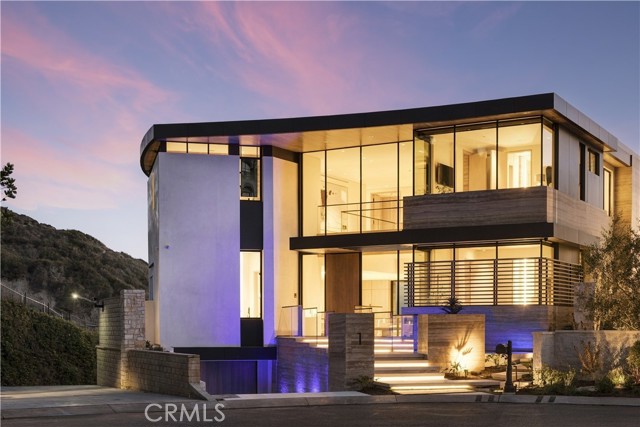
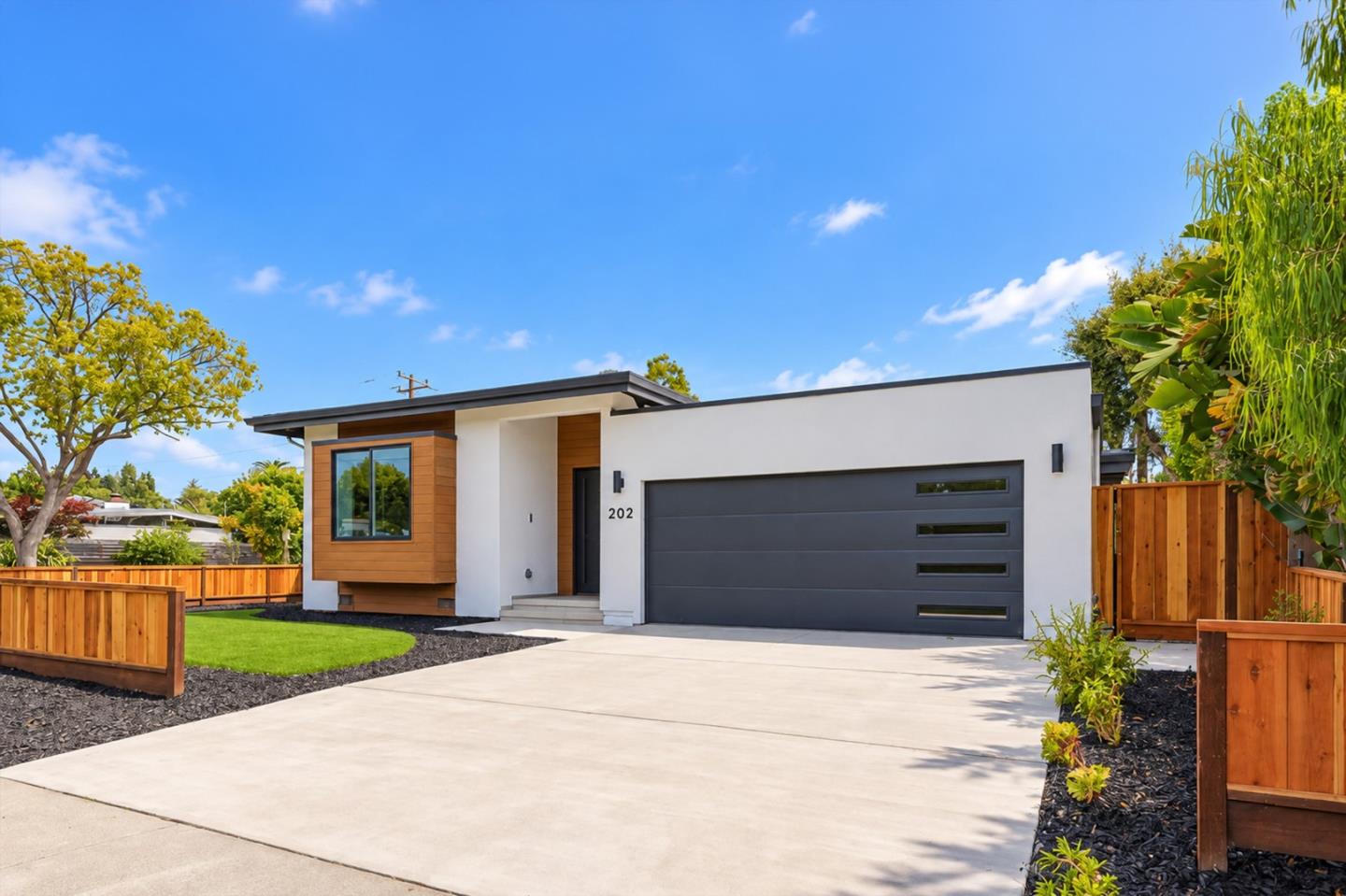
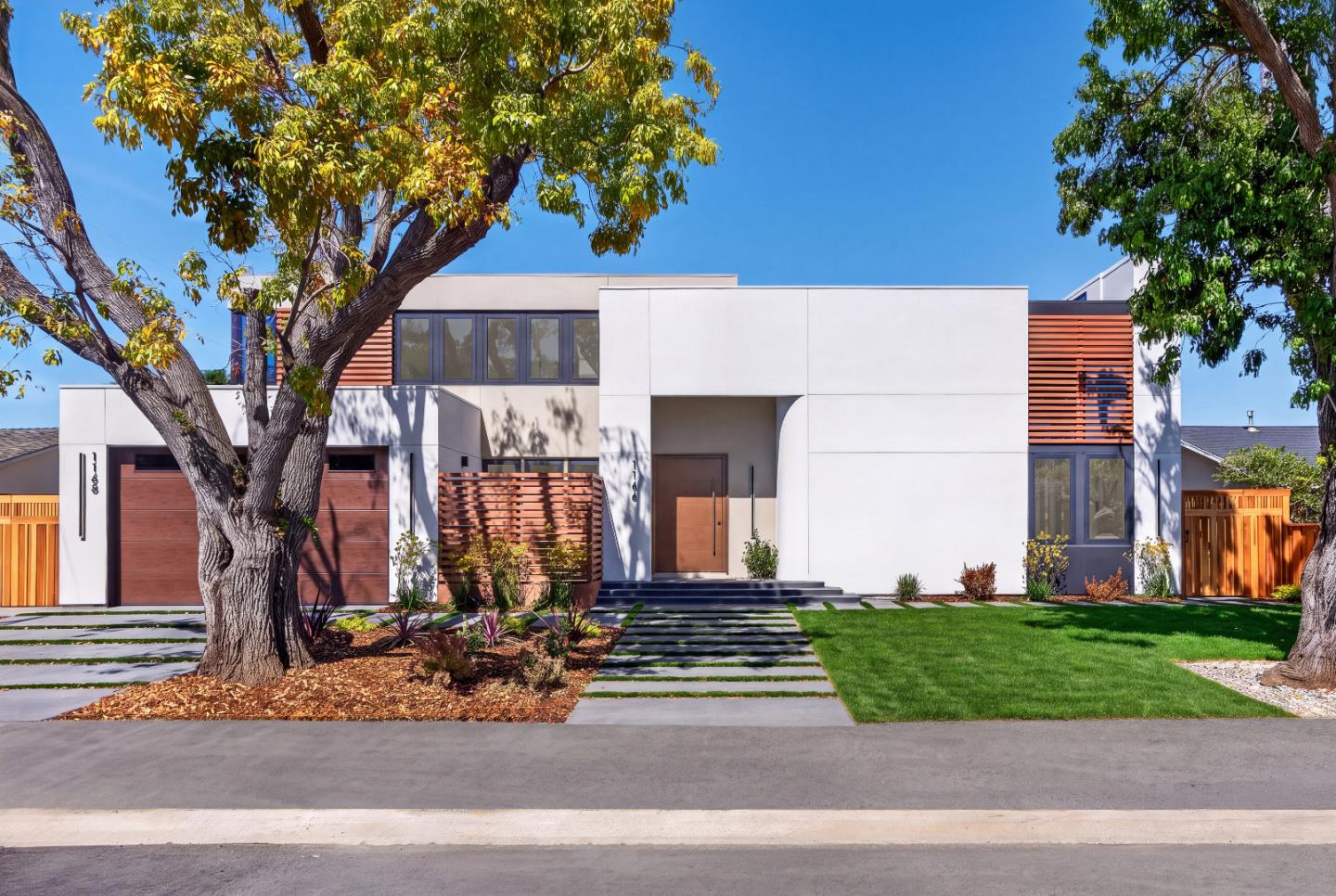
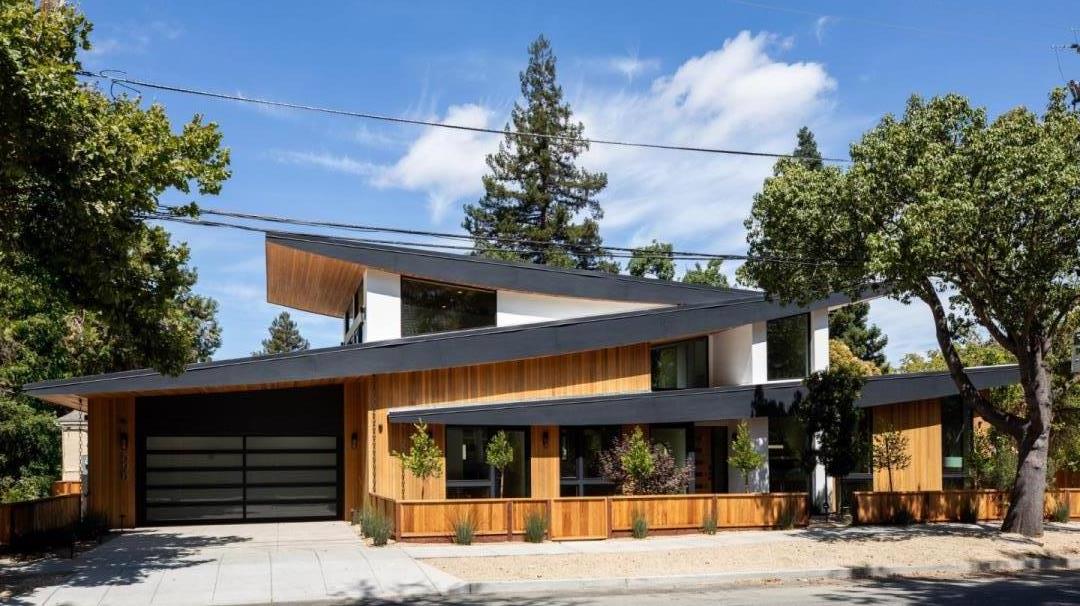
Monta Loma is an important local setting for mid-century residential architecture. Low rooflines, open interiors, clerestory glazing and connections to gardens distinguish some modernist homes from the more traditional ranch designs nearby.
Individual houses have changed through additions, energy retrofits, kitchen renovations and roof maintenance. For owners, original design intent, current construction condition and permitted work matter more than simply calling every older low-slung house an Eichler.
These areas have established gardens, varied ranch-era homes, larger replacements and a more residential rhythm away from central downtown activity. Cuesta Park and nearby civic or school facilities provide everyday recreation.
Some streets have larger parcels or a deeper garden setting, while others offer shorter routes toward El Camino Real or neighboring Los Altos. A property's location relative to main corridors affects the lifestyle as much as the neighborhood name.
Rex Manor and the broader San Antonio district contain mid-century residential patterns, smaller-scale homes, attached housing and commercial growth near the boundary with Palo Alto and Los Altos.
San Antonio's transit and shopping connections create convenience, but the city's western residential areas are not a single housing type. There are important distinctions between a quiet older block and a corridor more affected by traffic or redevelopment.
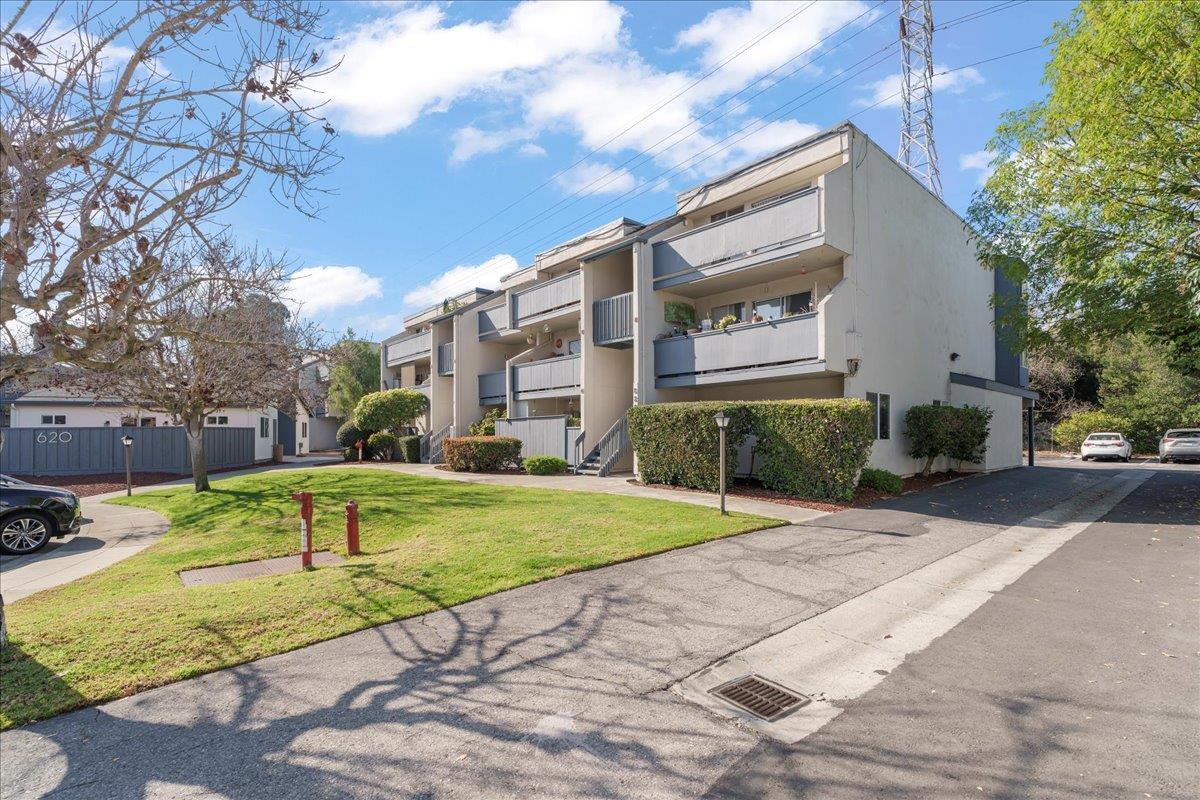
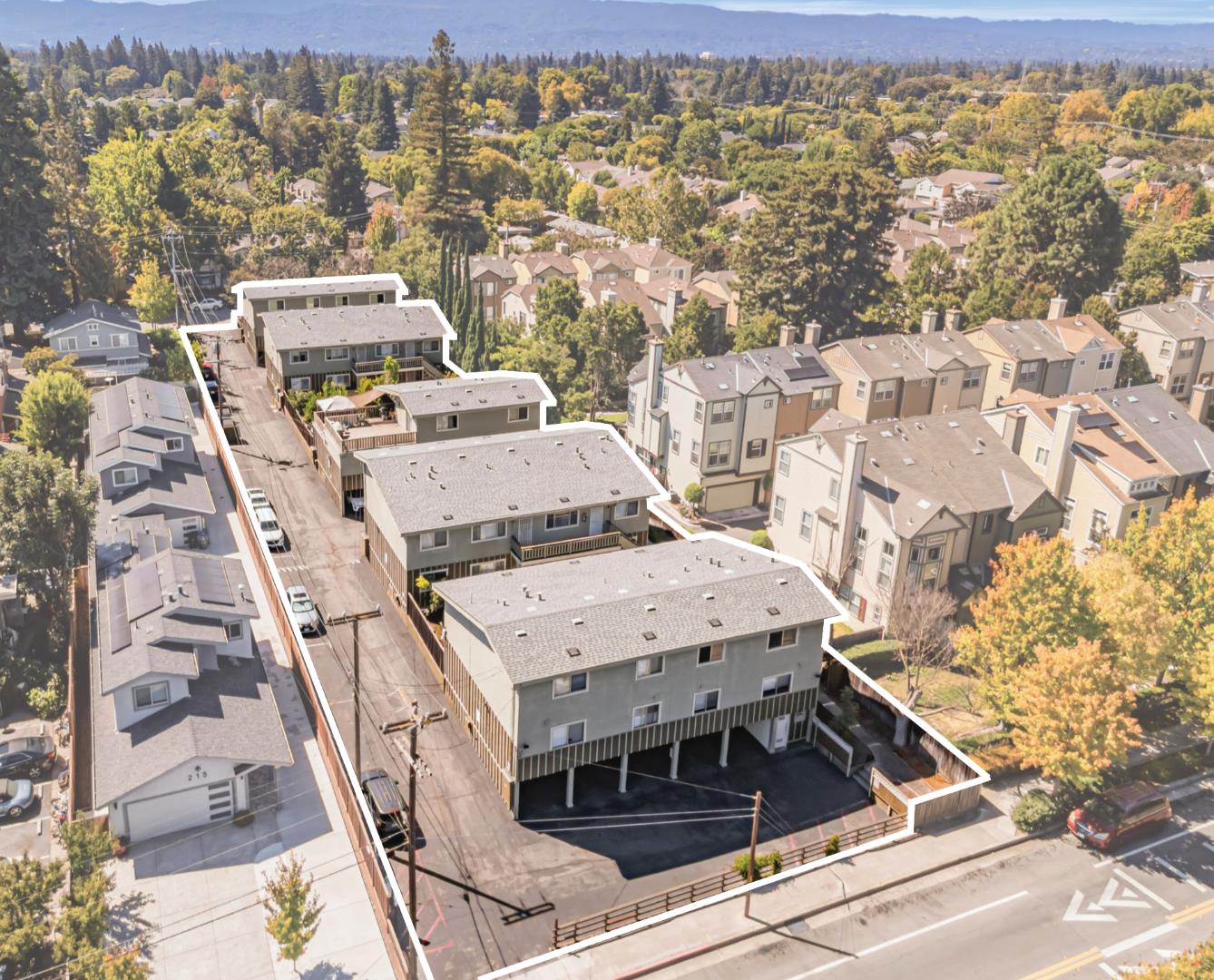
Whisman combines residential developments with rail and office connections, including areas served by VTA light rail. Different phases of construction create a mix of detached, townhouse and condominium choices.
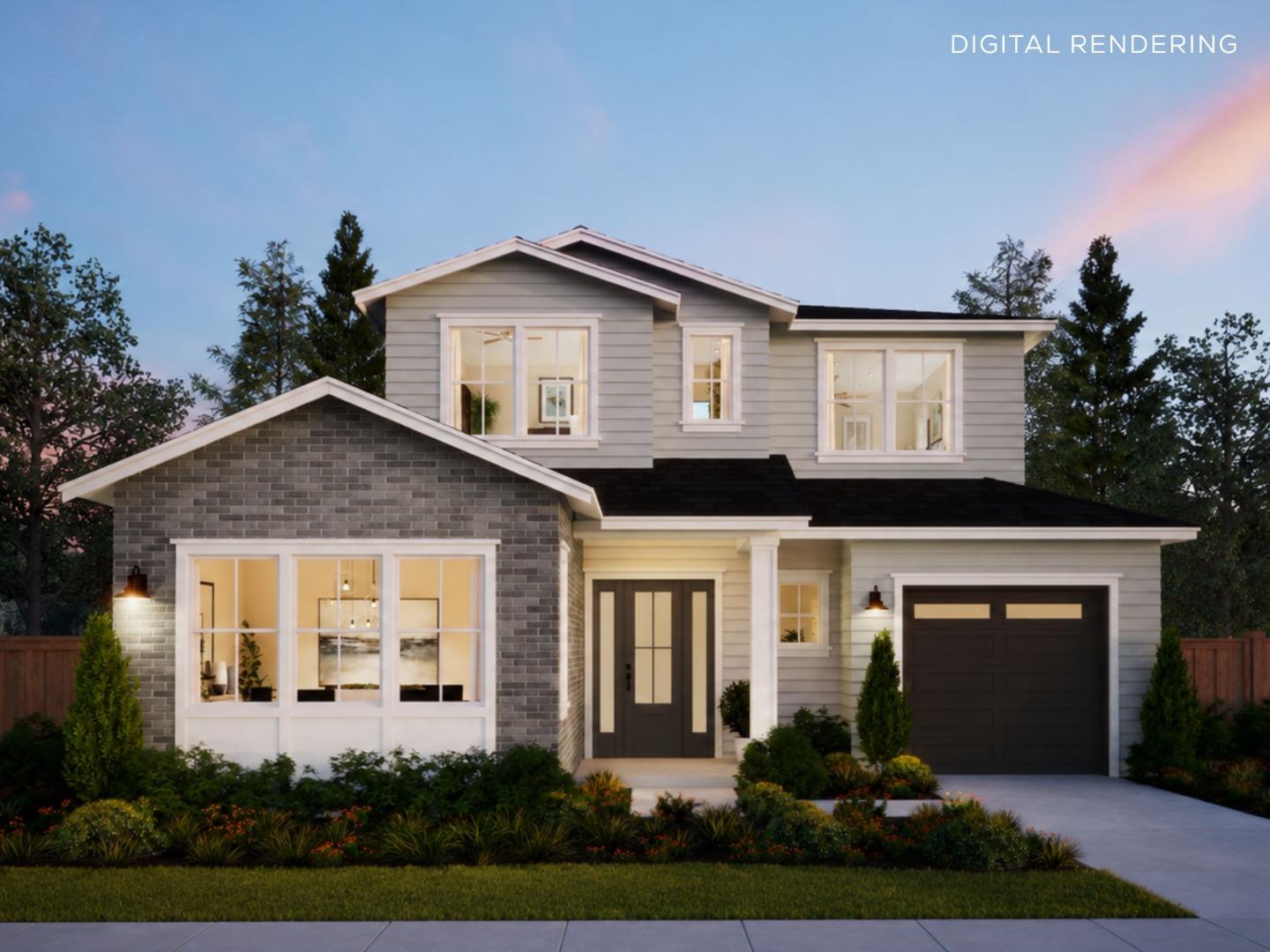
North Bayshore is closely tied to technology campuses and ecological planning near the Bay. Housing discussions, office growth, protected habitats and transportation projects make it a changing part of the city, but proposed development should never be described as completed.
Castro Street's restaurants and cafés provide more than a convenient place to eat. The downtown public realm, public events, cultural venues and nearby city services make it a shared space for residents across neighborhoods. Dining represents a broad range of cuisines and businesses, and individual tenants will change over time.
The Mountain View Center for the Performing Arts, public library and civic complex give Downtown another dimension. Its regional role is reinforced by the nearby Caltrain station and VTA connections, while streets farther south and west offer quieter ways of participating in the same city.
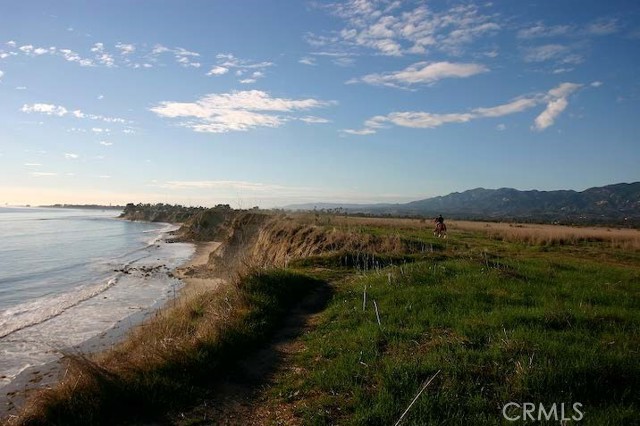
Shoreline at Mountain View is a major recreation and habitat landscape with trails, a sailing lake, golf and the historic Rengstorff House. Much of the area was created over a former landfill, a detail that matters when understanding its engineering and environmental management.
Residents can enjoy open views, bird habitat and routes along the Bay, but access is through designated roads and trails. The Bayfront's open wind and environmental conditions are unlike the garden climate of southern Mountain View.
Mountain View includes more than one school district depending on address, as well as separate high-school boundaries. School placement is not guaranteed by a subdivision label or the distance to a campus.
Caltrain, VTA light rail, Highway 101, Highway 85, Route 237, El Camino Real and Central Expressway form a complex mobility network. That connectivity is meaningful, yet the entire trip from home to destination matters more than quoting the citywide presence of transit.
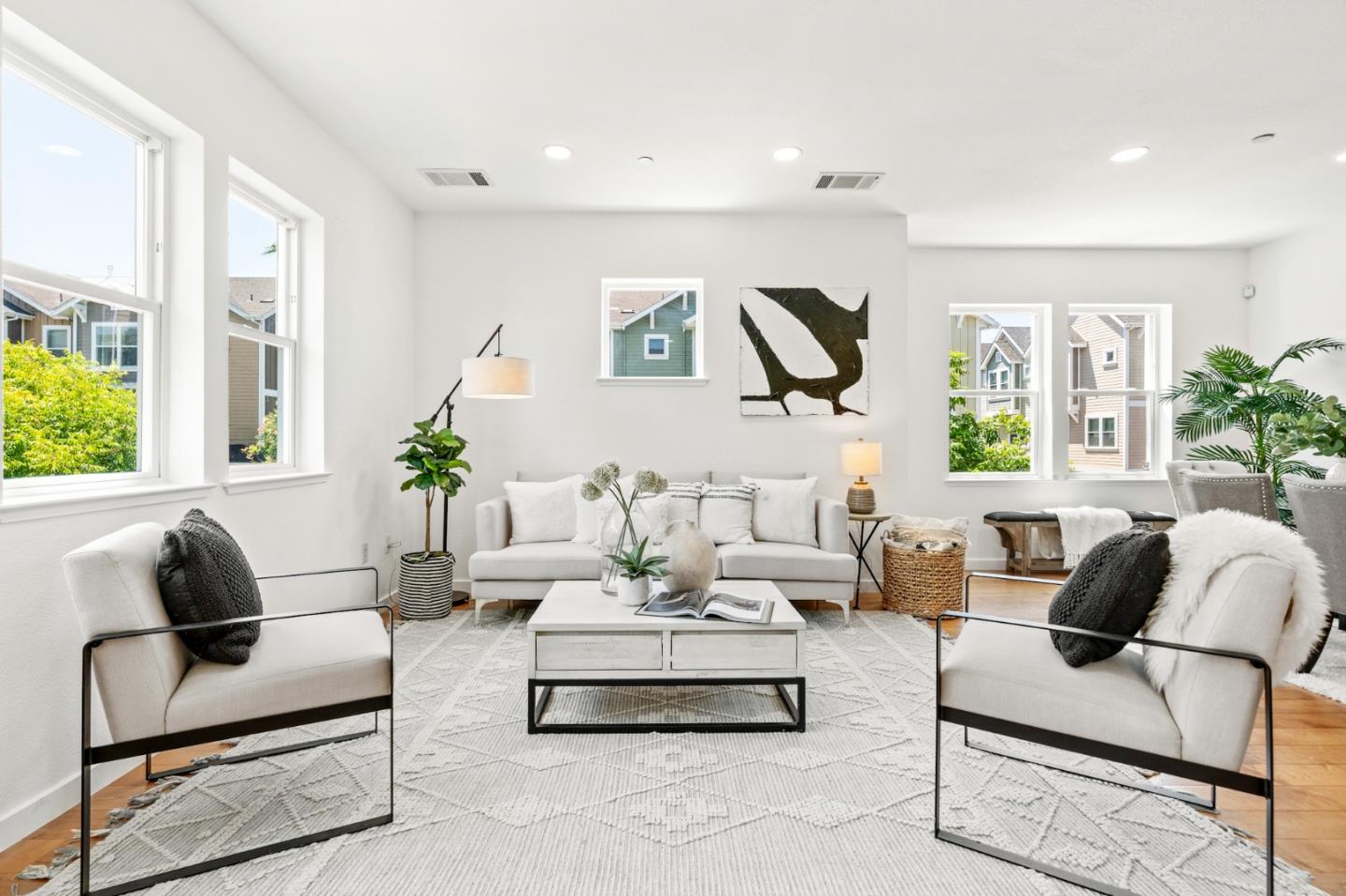
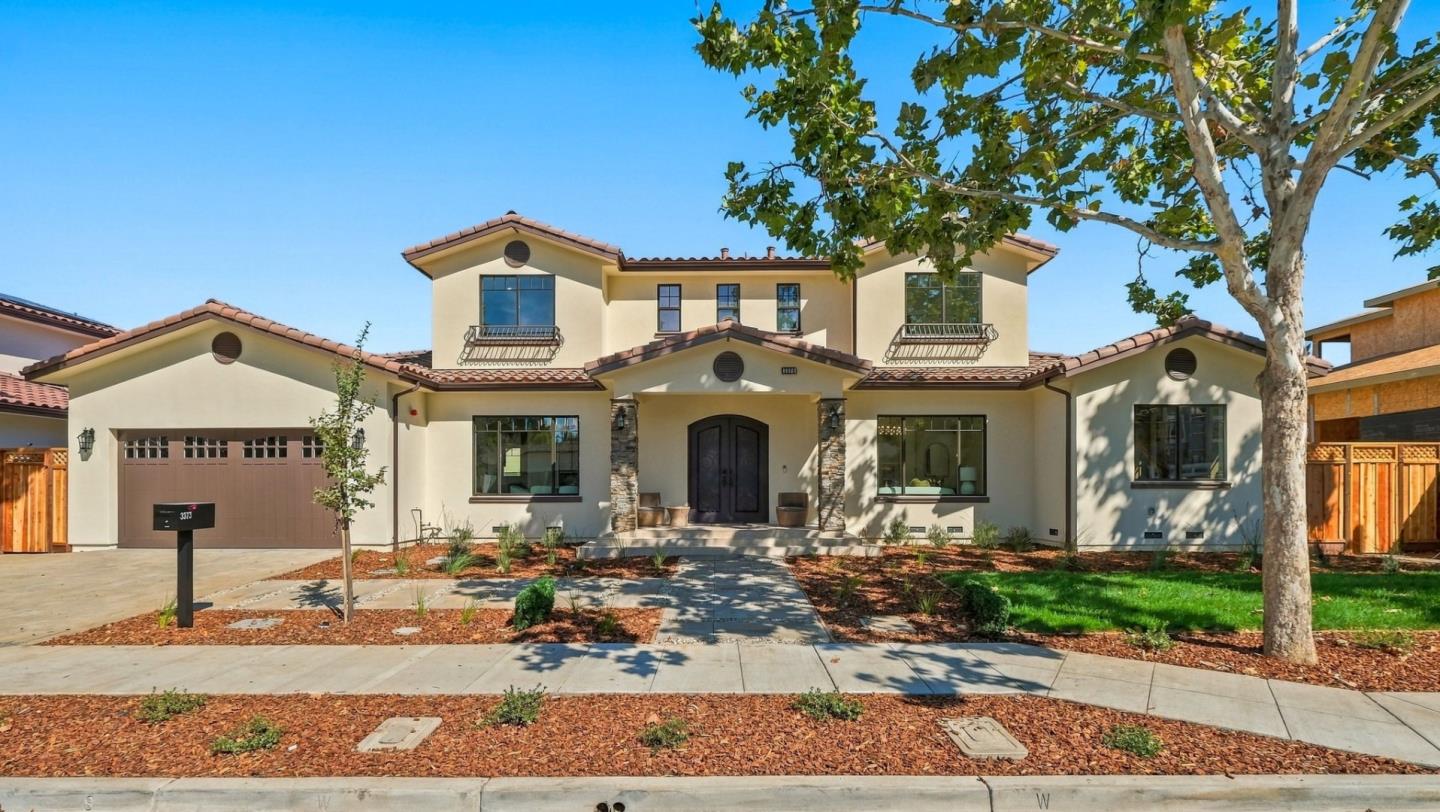
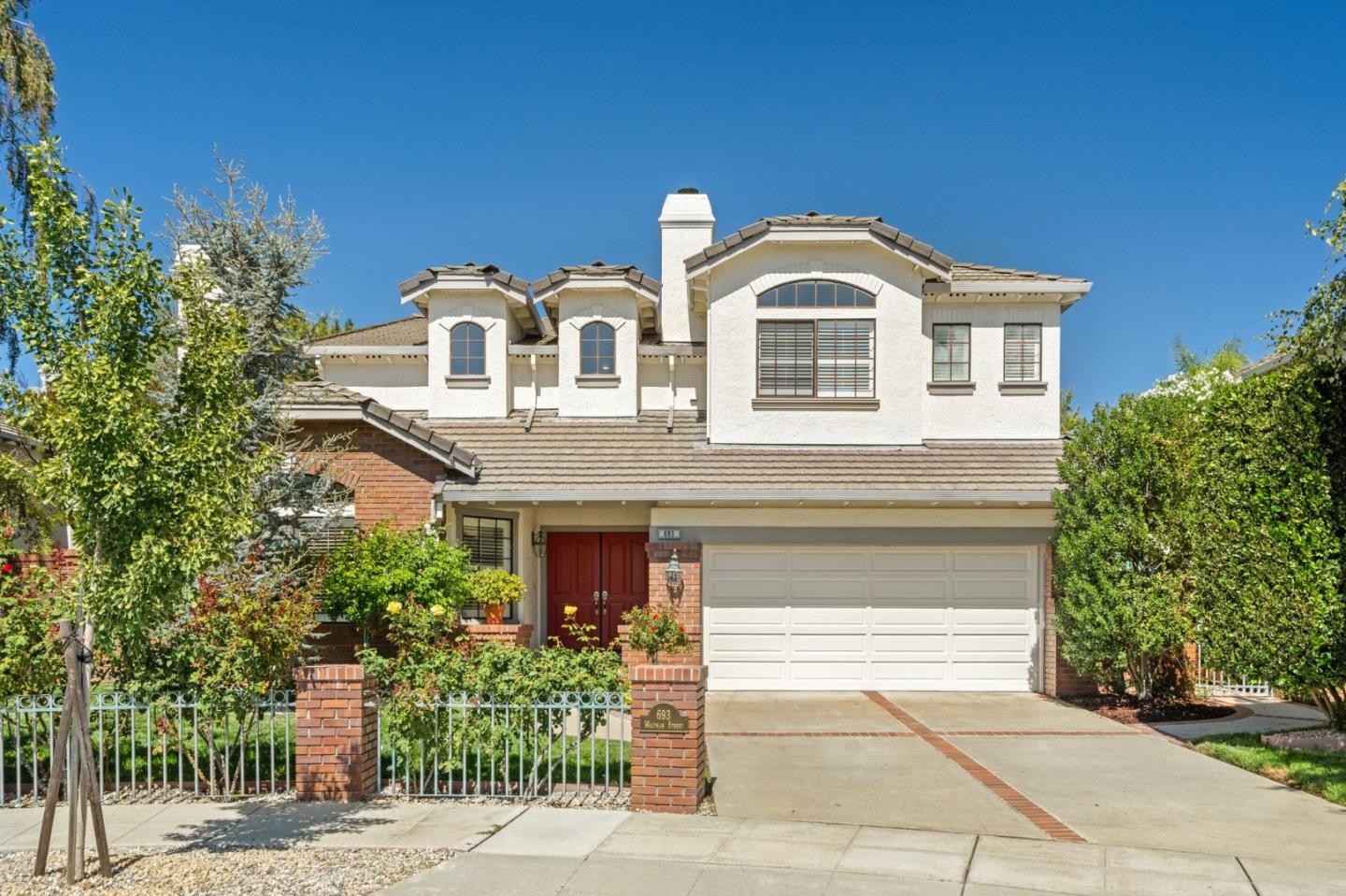
Mountain View's housing spectrum includes historic cottages, mid-century ranch and modernist homes, larger contemporary houses, and a substantial amount of attached housing near employment and transit. A citywide average can obscure those differences.
Walkable access to Castro Street may be valuable to one household; another may prioritize an established garden, modern construction or an easy route to a workplace. In Monta Loma, a coherent mid-century design can carry architectural value beyond visible surface finishes. For attached housing, association documents and ownership costs are fundamental.
The city's technology employment base can support housing demand, but it does not eliminate interest-rate, market-cycle, zoning or property-specific risks. Owners presenting a home for sale should articulate exactly which scarce qualities that property provides.
Old Mountain View is connected to the historic downtown grid and Castro Street, with cottages, period houses and newer infill. Monta Loma is known for a different, strongly mid-century residential language in which low rooflines, glazing and garden connections are important. The neighborhood experiences should not be reduced to a simple comparison of prices or house size.
No. Mountain View contains modernist homes built by different developers and architects, and some original houses have been changed substantially. Eichler identification should be based on specific documentation, construction features and property history. An accurately identified house may have important design details such as post-and-beam structure, radiant heating systems or distinctive glazing, but those cannot be assumed for every mid-century property.
The downtown area provides many restaurants, shops, civic destinations and Caltrain/VTA connections within a compact area. Walkability still depends on the exact block, road crossings and personal routine. A house near Cuesta Park or North Bayshore can have a very different daily transportation pattern, even though both are within Mountain View.
A thoughtful listing distinguishes the property's real strengths: historic detail near Downtown, original modernist design in Monta Loma, a usable garden in the south, or access to transit and employment in a newer community. The architectural and maintenance story should be truthful and supported by permits and relevant local transactions rather than broad claims about a strong technology market.
Mountain View's appeal is its layered identity: a historic rail town with a lively downtown, distinctive mid-century neighborhoods, a global technology economy and one of the Peninsula's most interesting Bayfront landscapes. Knowing where those environments meet is the key to understanding the city.
Browse the available properties in the area below.
Browse the available properties in the area below.