Redwood City has a genuine downtown civic center, not simply a line of shops along a road. Courthouse Square, historic buildings, restaurants, theaters and public events create a lively destination in the center of the Peninsula. A few minutes away, streets differ greatly: older houses near downtown, family-scale blocks around Roosevelt, broad postwar patterns near Woodside Plaza, and homes climbing into the western hills.
The city also extends to the Bayfront and includes Redwood Shores, a master-planned waterside district whose landscape and housing are very different from the historic core. A meaningful guide needs to keep those residential worlds distinct.
Redwood City's history began with Indigenous communities and later a port that supplied lumber and goods to a growing San Francisco Bay Area. It became San Mateo County's seat of government in 1856 and incorporated in 1867. Its downtown emerged around the courthouse, industry, transport and commerce.
After a period of commercial decline, downtown revitalization reshaped the urban center through public investment, events and a renewed restaurant and cultural scene. The old courthouse now houses the San Mateo County History Museum, a reminder that civic architecture and everyday public life can share a building across generations.
The city's familiar slogan, 'Climate Best by Government Test,' is part of its identity, although weather still varies by location, tree canopy and proximity to the Bay.
The distinction between incorporated Redwood City and nearby unincorporated Emerald Hills or North Fair Oaks is important. Mailing addresses, MLS areas and actual city boundaries may not match.
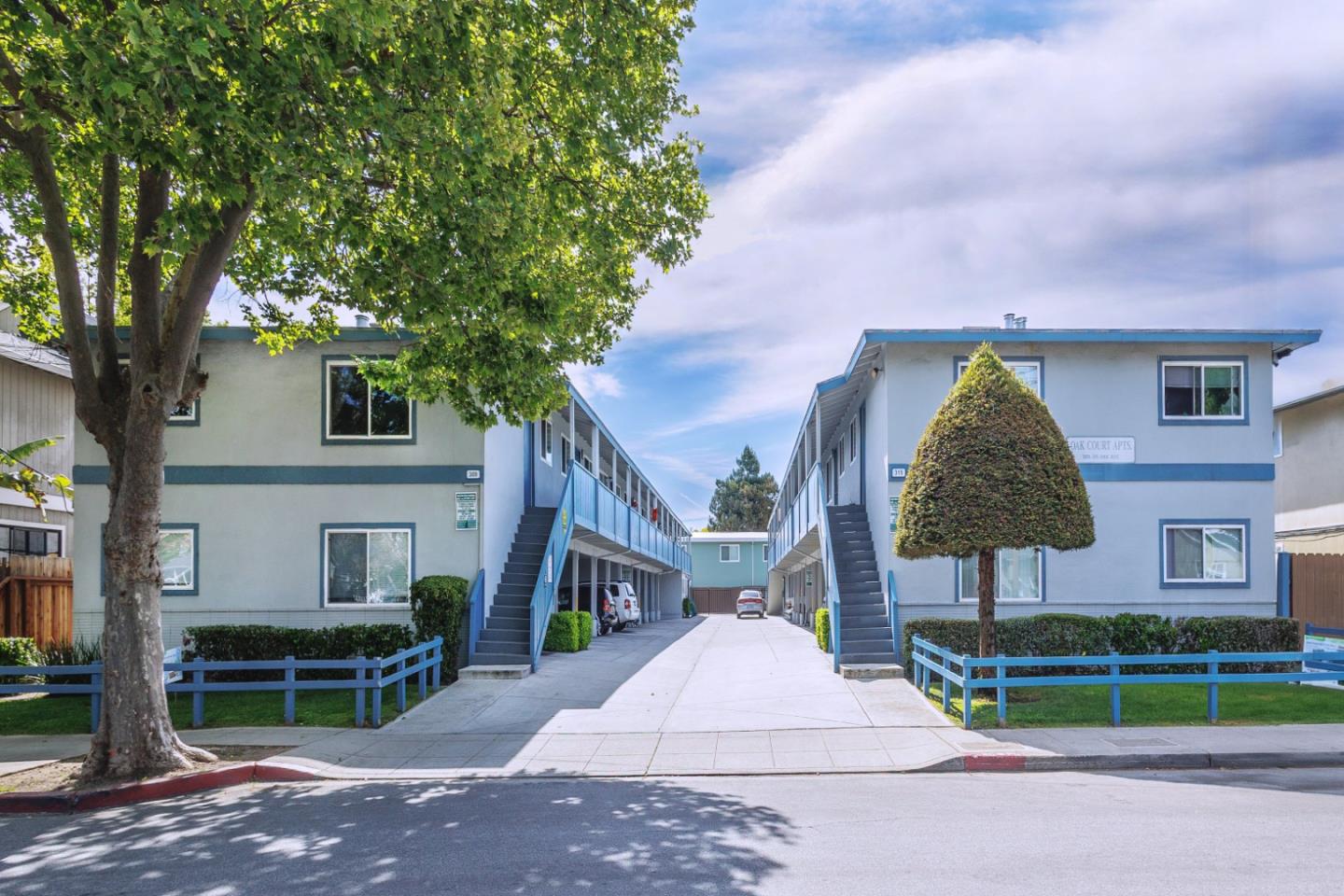
Downtown's energy comes from restaurants, cultural events, transit and civic destinations. Residential streets around the core include older small houses, apartments, and updated or newer housing that varies in building scale.
Life close to Courthouse Square can be unusually convenient, but rail activity, parking, nightlife and the transition from commercial to residential blocks make location-specific differences significant.
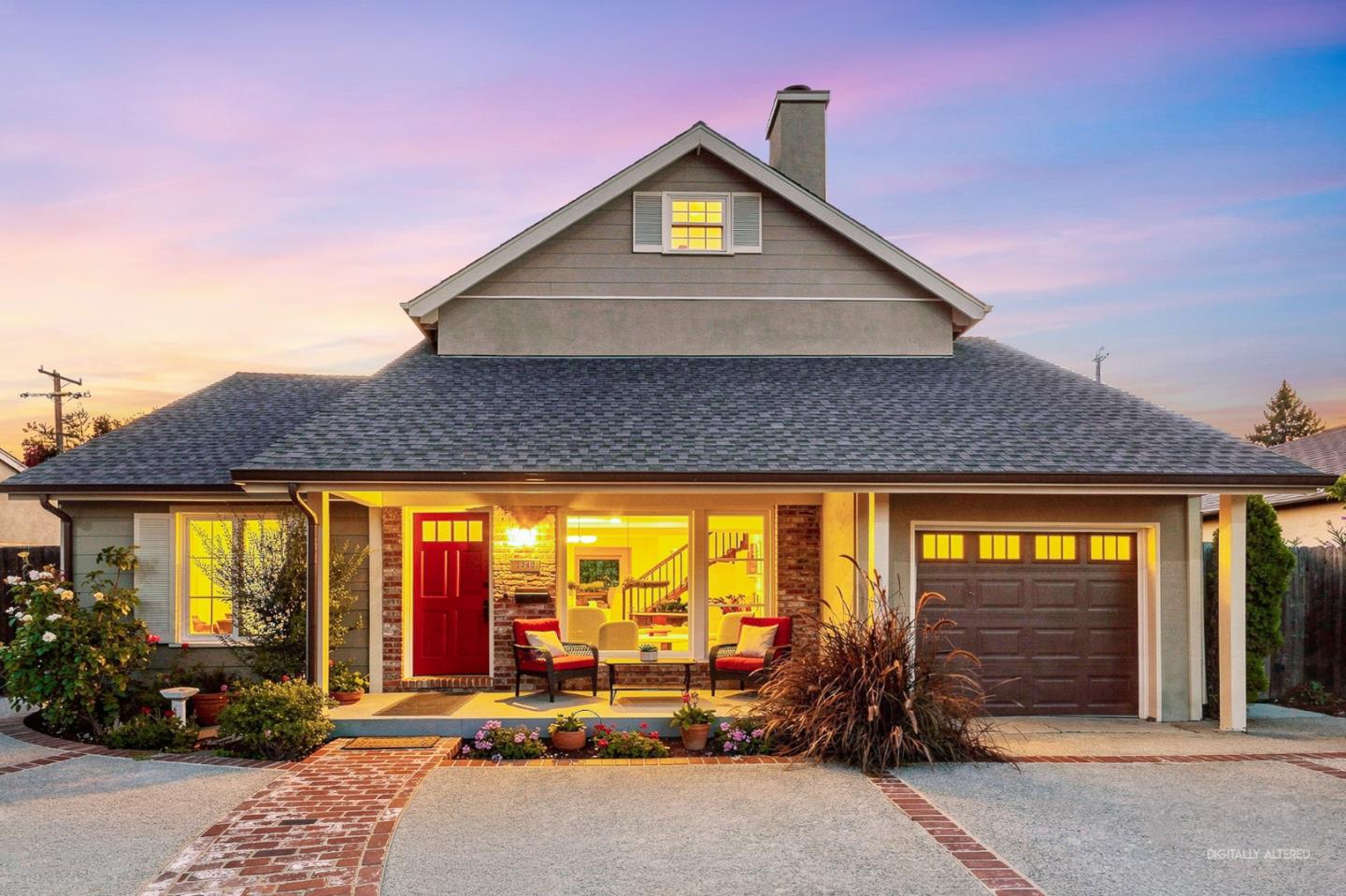
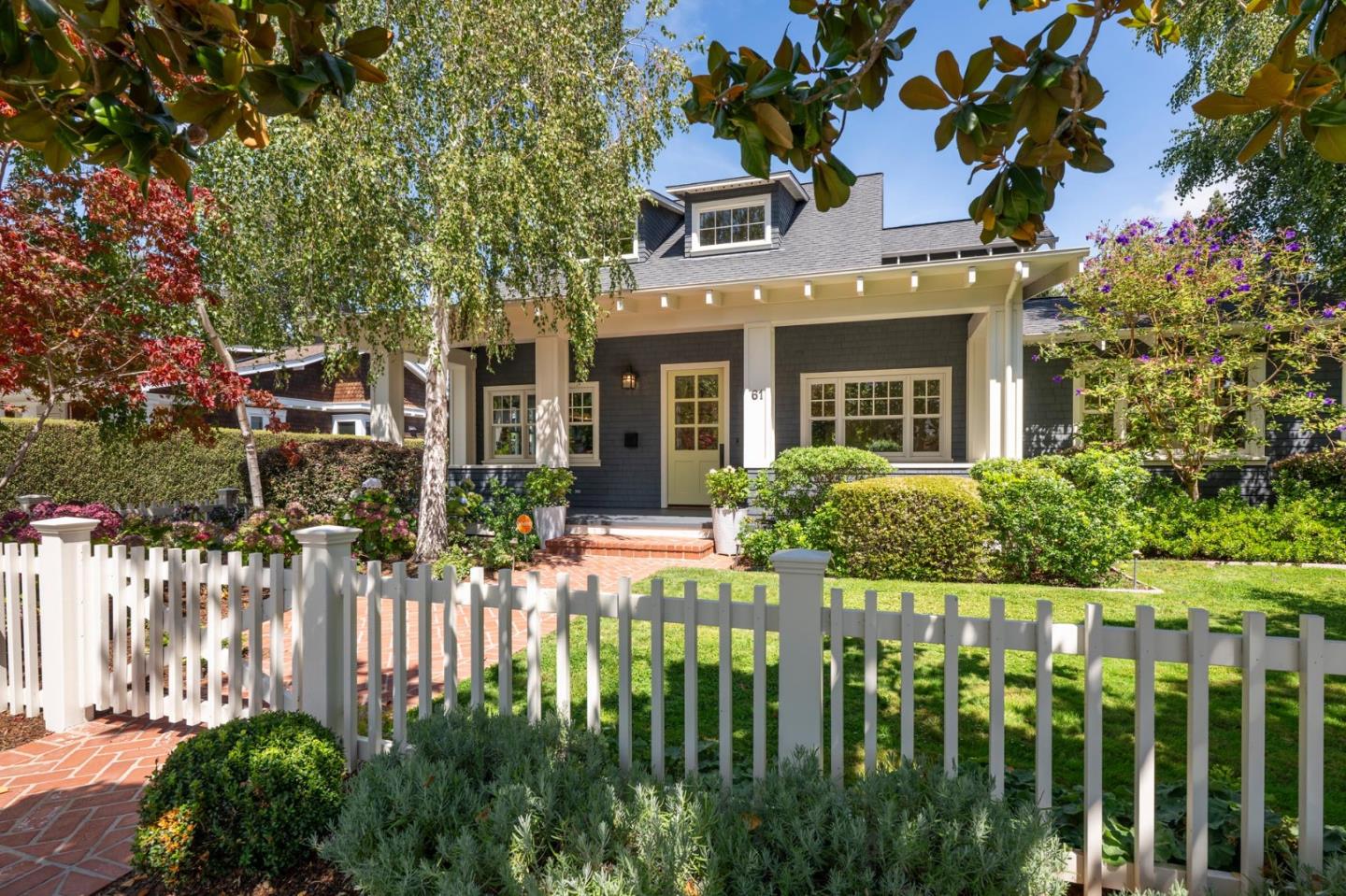
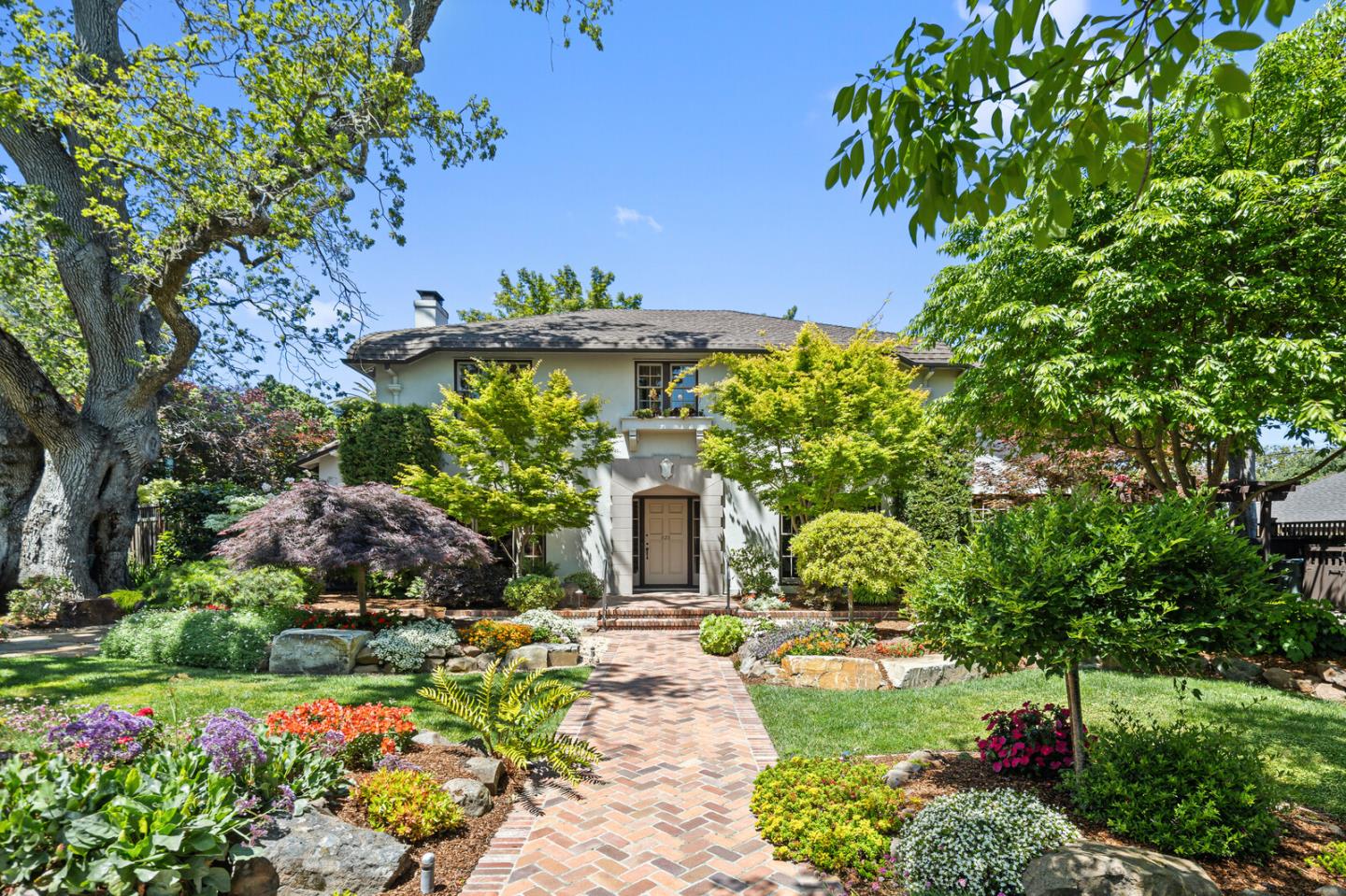
Mount Carmel is associated with a traditional residential streetscape and housing from several early periods, including cottages and revival forms that have been remodeled or replaced over time. Trees, rooflines and street-facing porches can be an important part of the neighborhood's sense of place.
An older house's architectural character may be valuable, but original materials, foundation condition, upgrades and any historic status should be examined separately. Newer construction must be judged within its immediate context.
Roosevelt has a recognizable everyday identity centered on residential streets and the Roosevelt shopping area. Housing spans original postwar forms, earlier structures, remodels and new buildings, while parks and community routines give the area its local feel.
Some streets have more compact parcels and urban connections than the western hills. The relative convenience of downtown, shopping and schools depends on routes and major-road crossings.
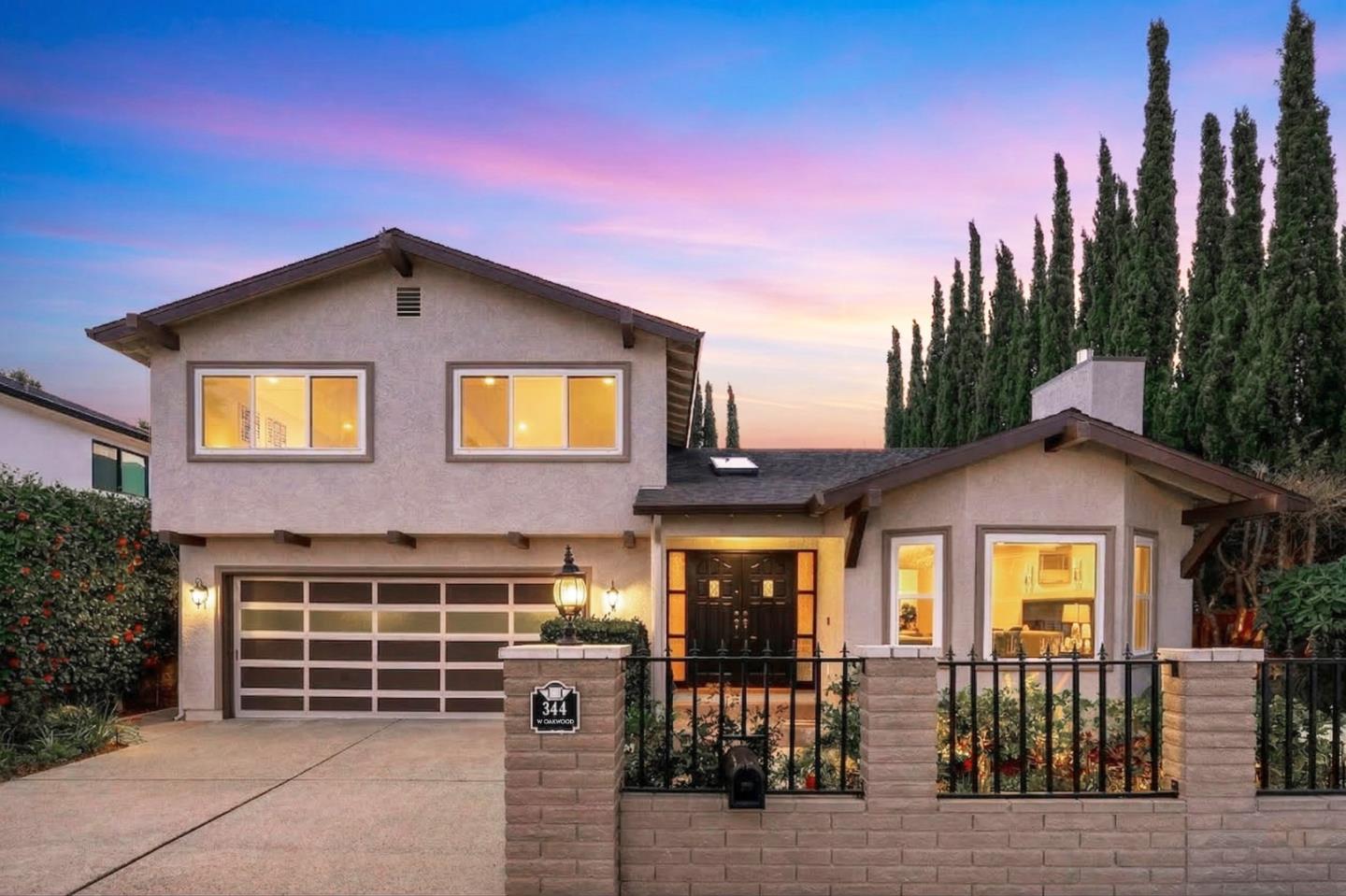
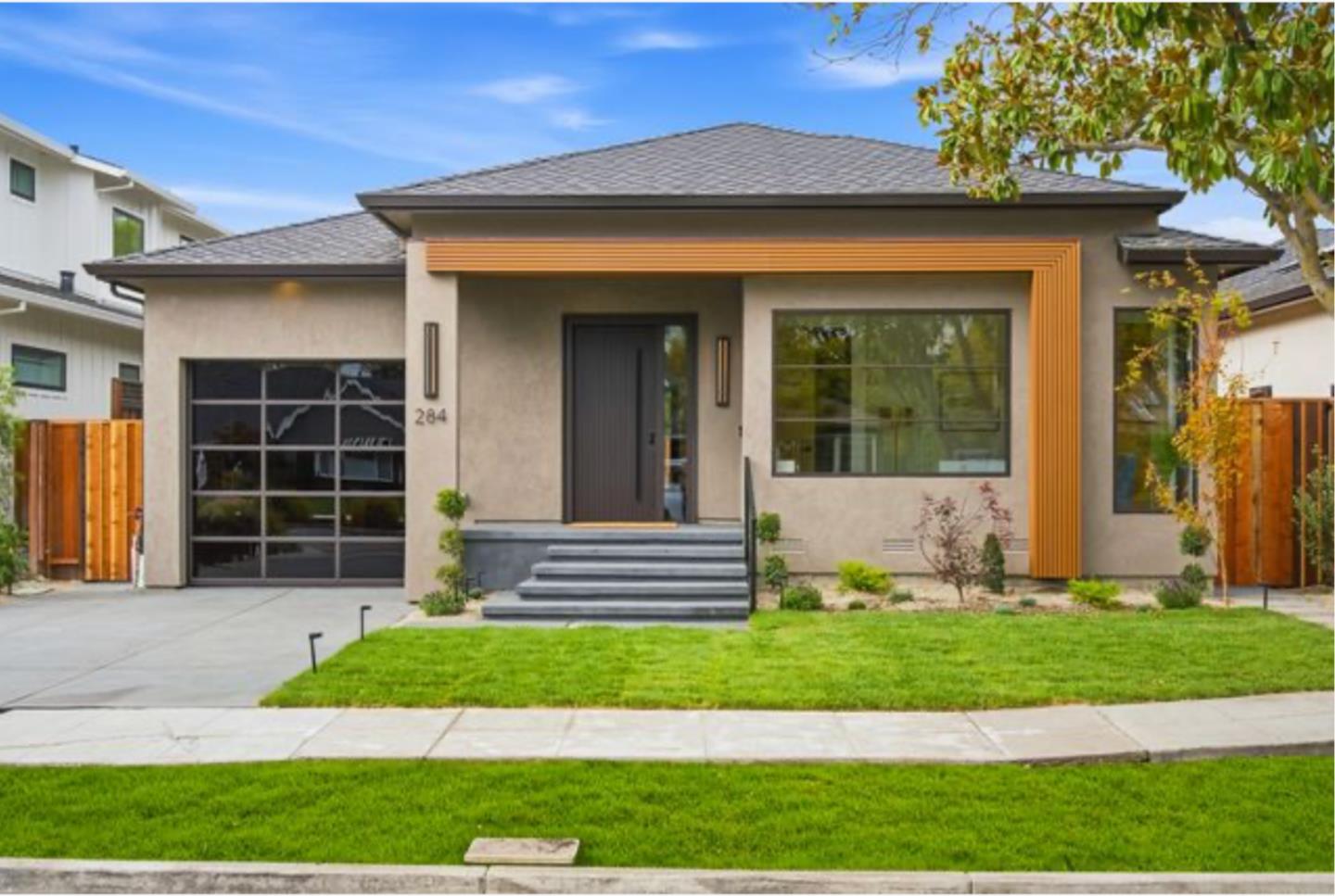
Woodside Plaza emerged as part of Redwood City's twentieth-century residential expansion. Houses often reflect the ranch-era emphasis on single-level living, private rear yards, garages and practical neighborhood streets.
Longtime residents know the importance of usable garden space and a convenient local commercial center. A remodeled floor plan that connects the kitchen, family room and backyard can change how a familiar house works without erasing its original proportions.
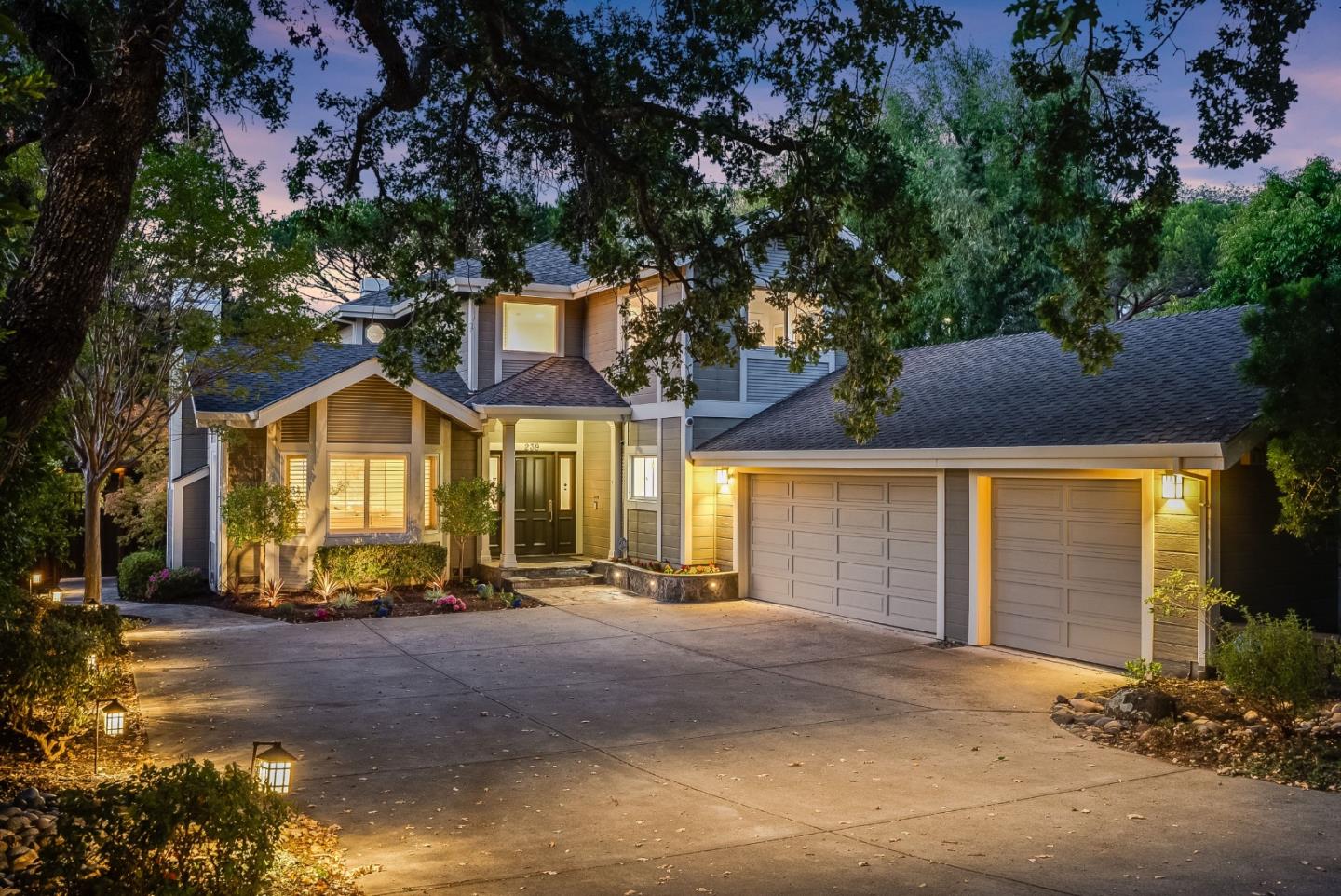
Western Redwood City becomes more topographically complex, with hillside roads, changing views, and stronger connections to parks and open space. The Farm Hill area and neighboring residential tracts contain homes of different scales, split levels and more individual site responses.
Stulsaft Park is a notable wooded landmark. On hillside parcels, outdoor usability, drainage, retaining walls and emergency access can be as important as the advertised interior size.
Friendly Acres is a community with its own residential identity and local institutions, situated near the city's industrial and transportation geography. Housing and street patterns differ from the more garden-oriented west-side blocks.
Access to jobs and major roads can be practical, while land-use neighbors, traffic and the particulars of a block shape daily experience. Care is needed not to reduce the entire area to industrial proximity.
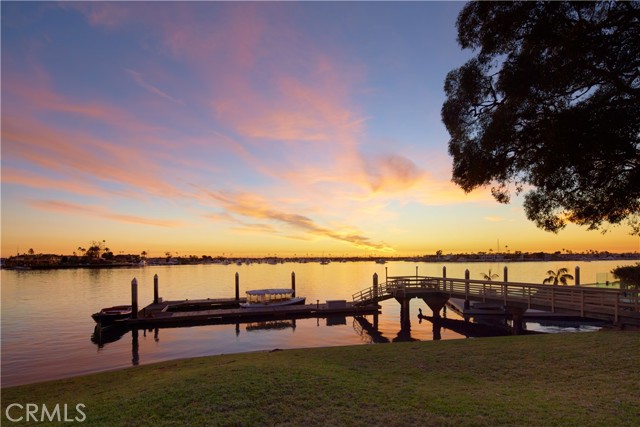
Redwood Shores lies on the Bayfront peninsula north of the historic downtown and was developed in a more planned, later period. Its lagoon, waterways, parks, housing communities and office areas make it a different kind of place.
It is part of Redwood City, not an incorporated town of its own. The separate Redwood Shores guide provides more details about shoreline engineering, associations and the residential experience.
Downtown Redwood City hosts concerts, seasonal events and community gatherings that give public space a prominent role in local life. The San Mateo County History Museum, theaters, library, restaurants and cafés are central destinations rather than incidental amenities.
Residents also use neighborhood shopping centers, schools, playgrounds and smaller parks. The point is the range of available experiences: an urban evening downtown can coexist with a quiet garden at home.
Stulsaft Park offers shaded paths and natural terrain; other neighborhood parks and the Bayfront open spaces serve different needs. Climate conditions differ between wooded western streets and open eastern land.
Redwood City Caltrain, Highway 101, Woodside Road and Interstate 280 provide regional connections, but neighborhood orientation matters. Schools are administered by multiple districts, and nearby unincorporated communities further complicate a simplistic school-location claim. District placement should be confirmed for every property.
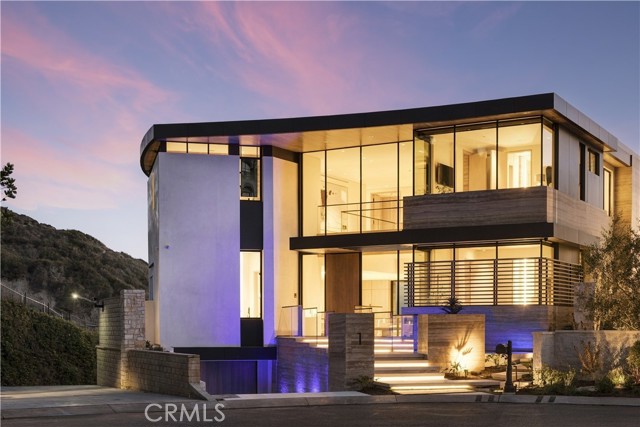
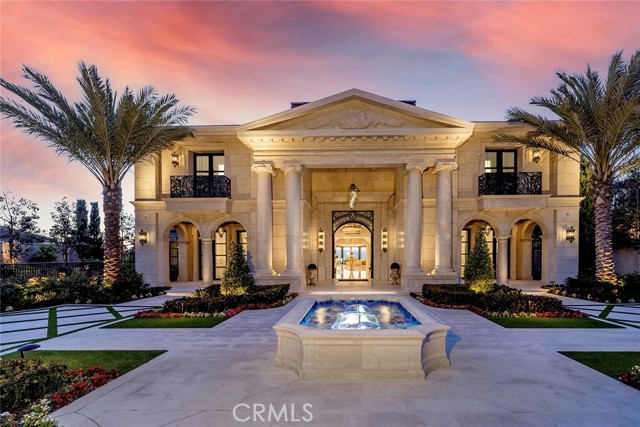
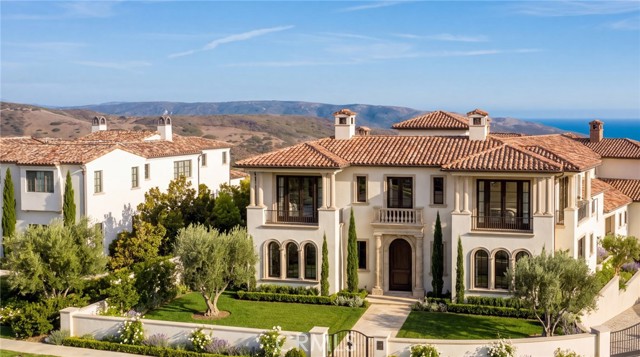
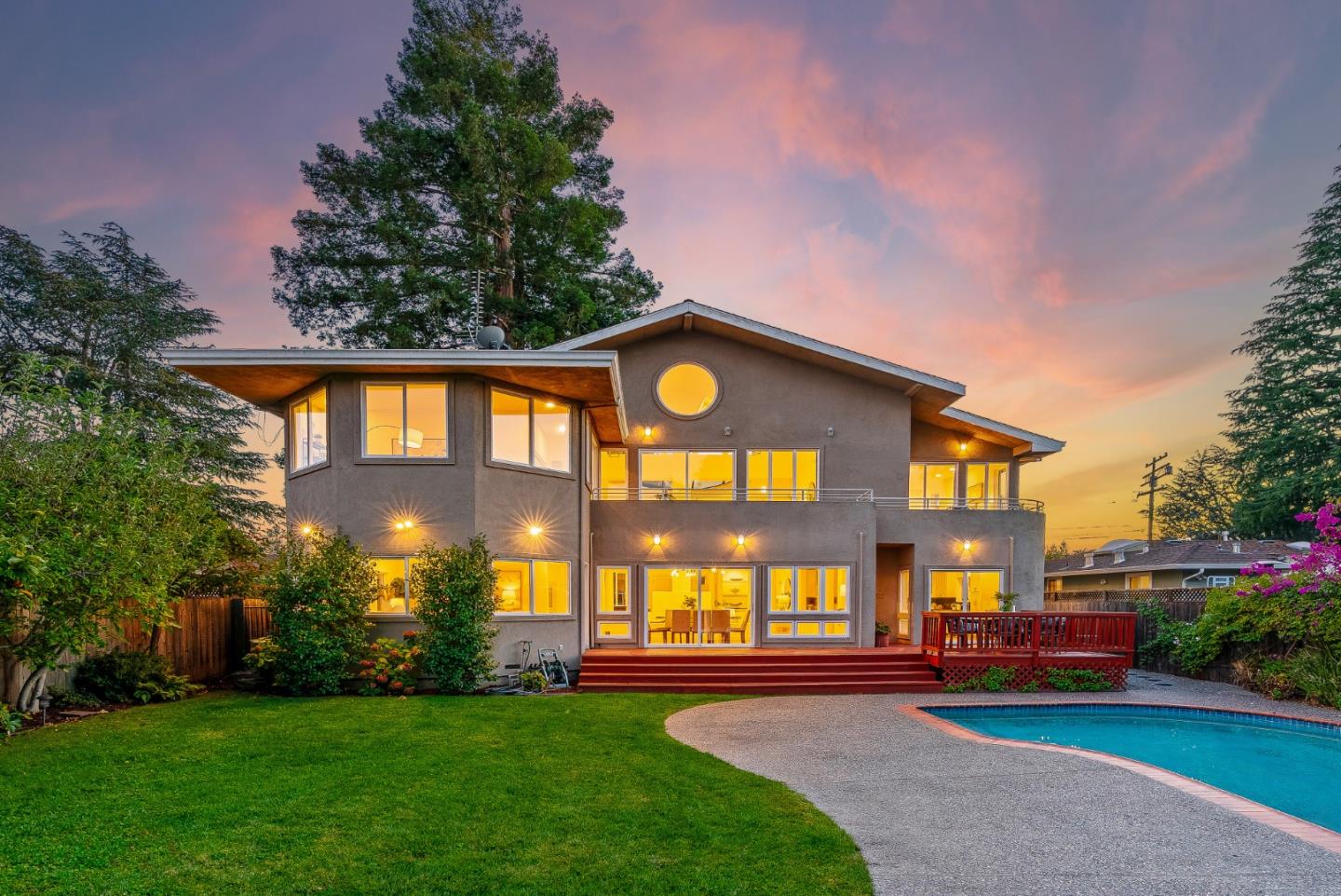
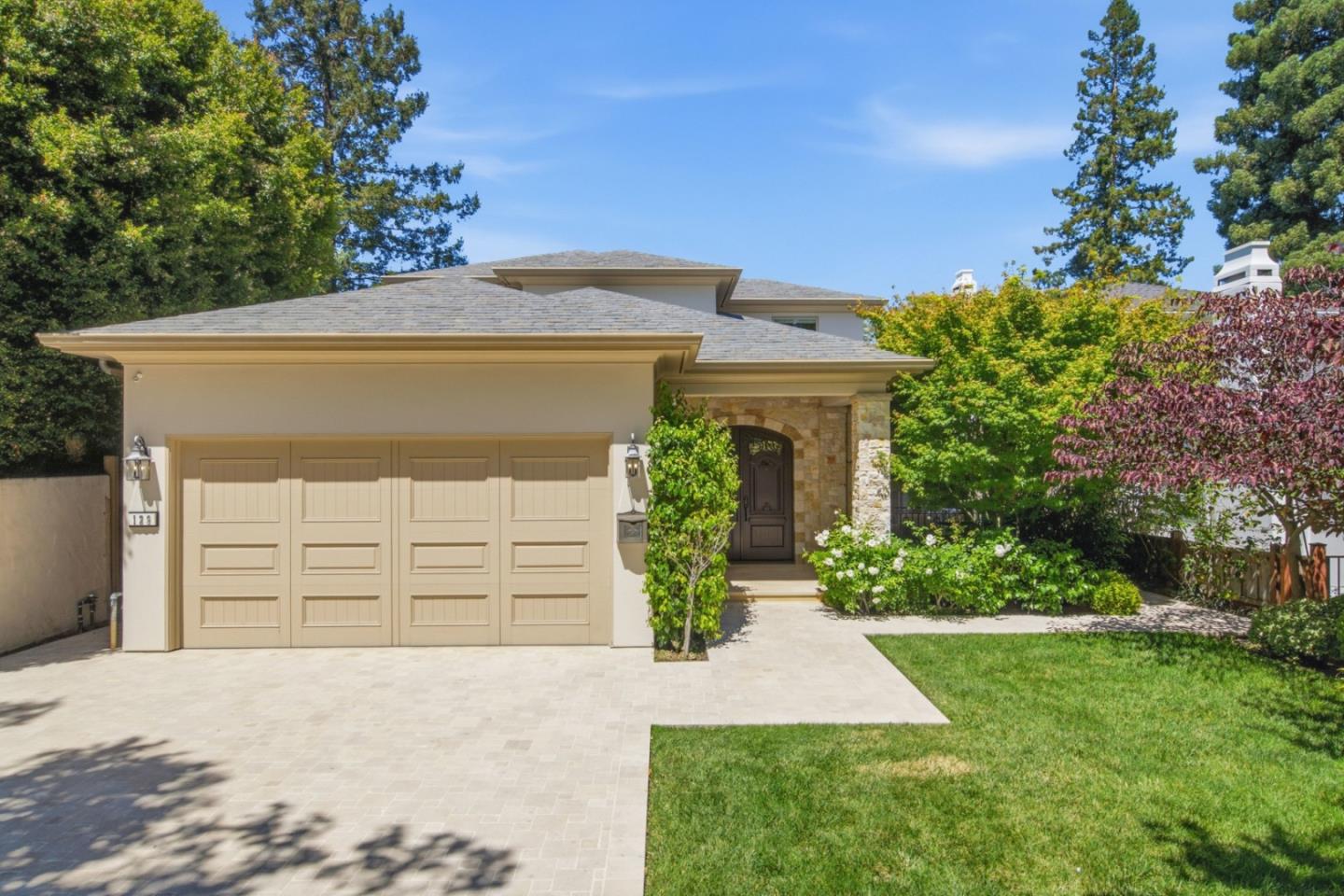
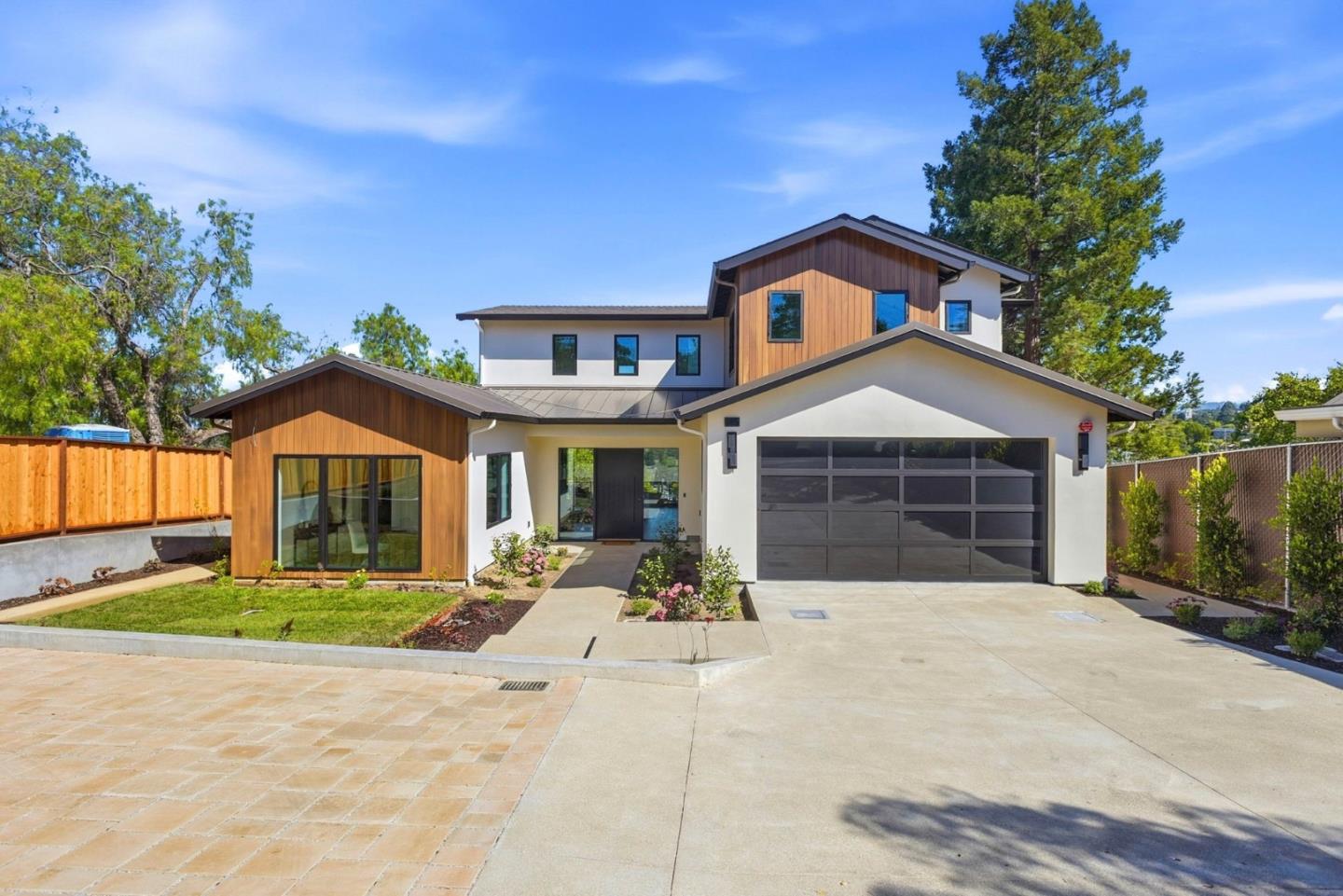
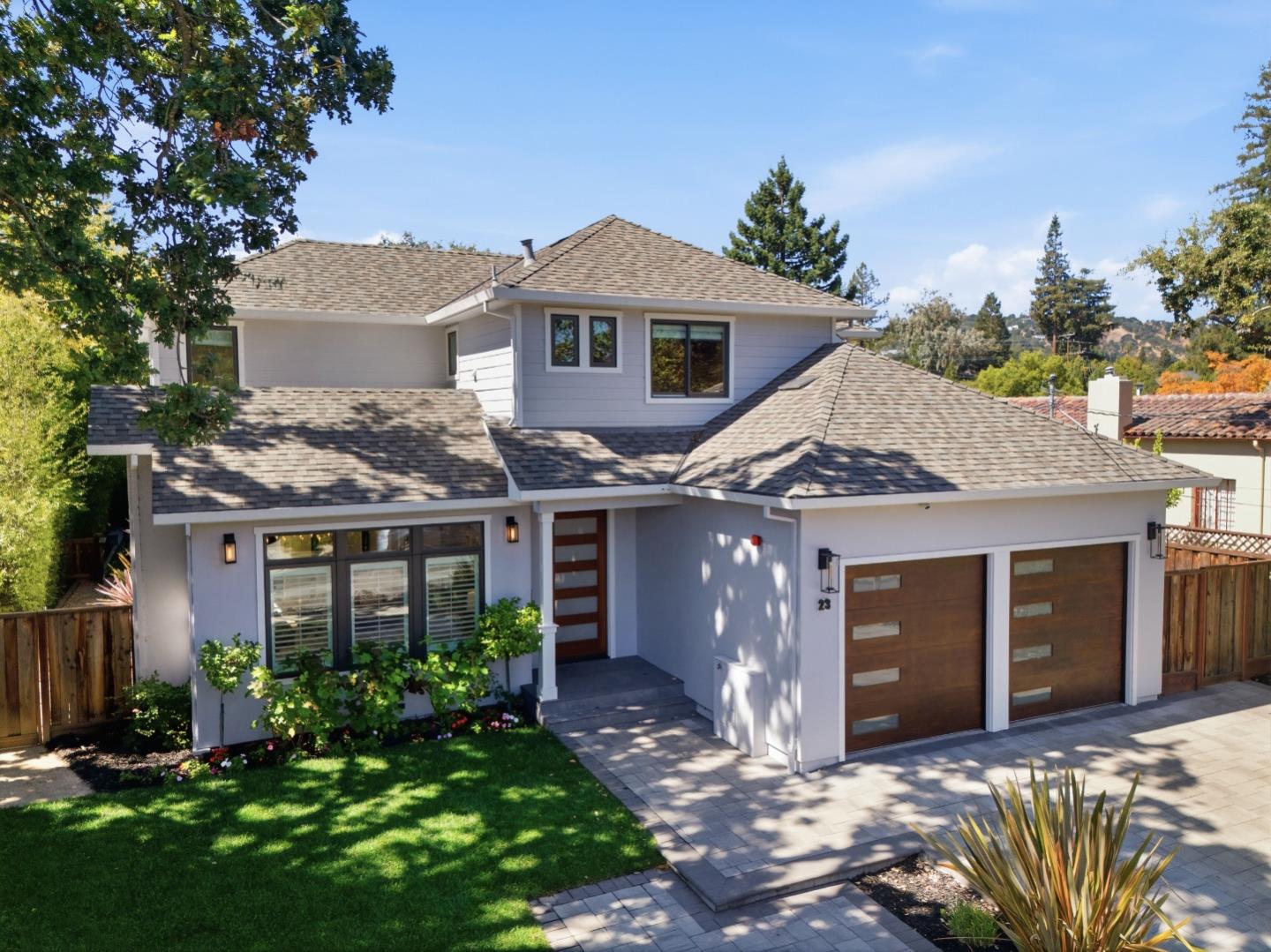
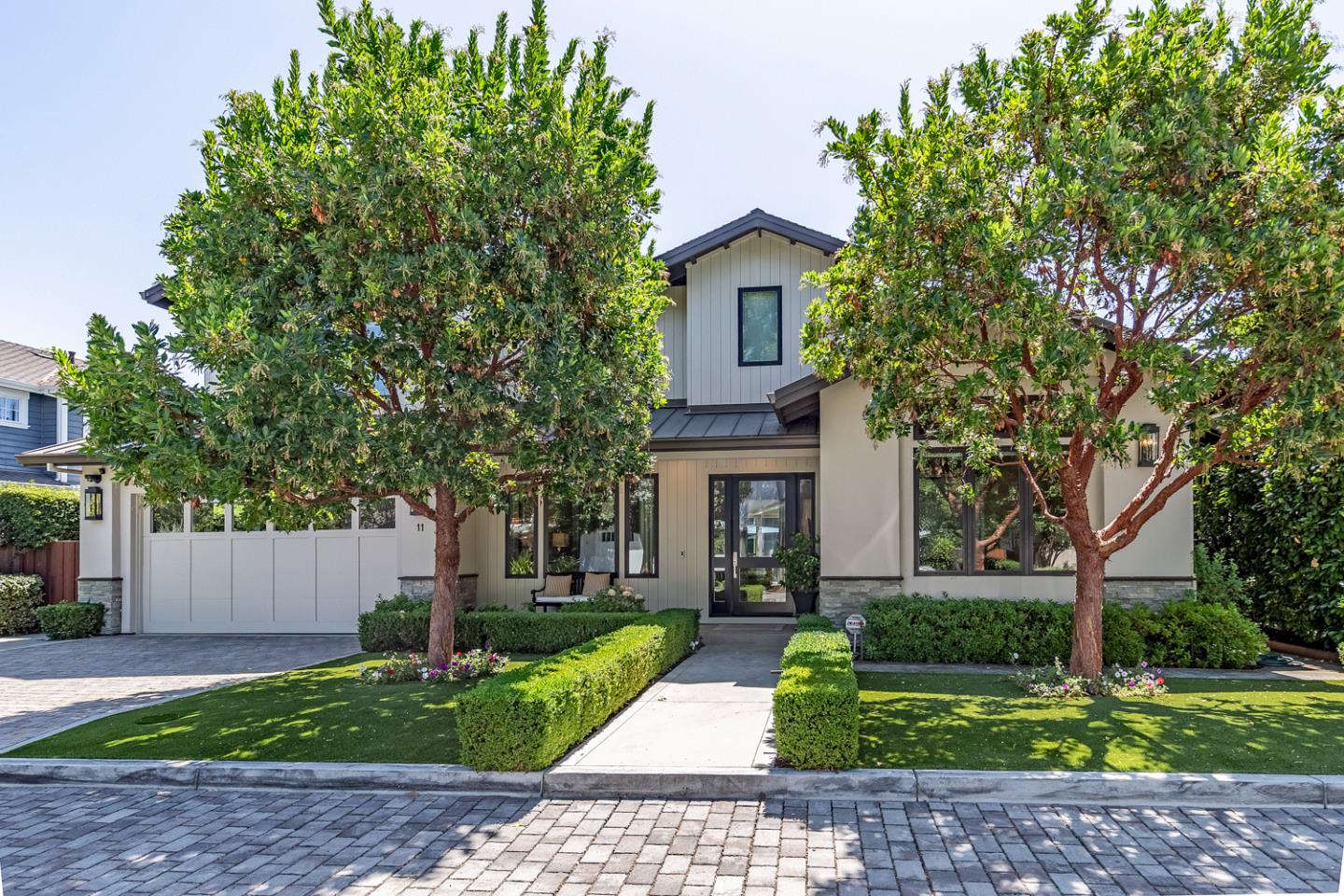
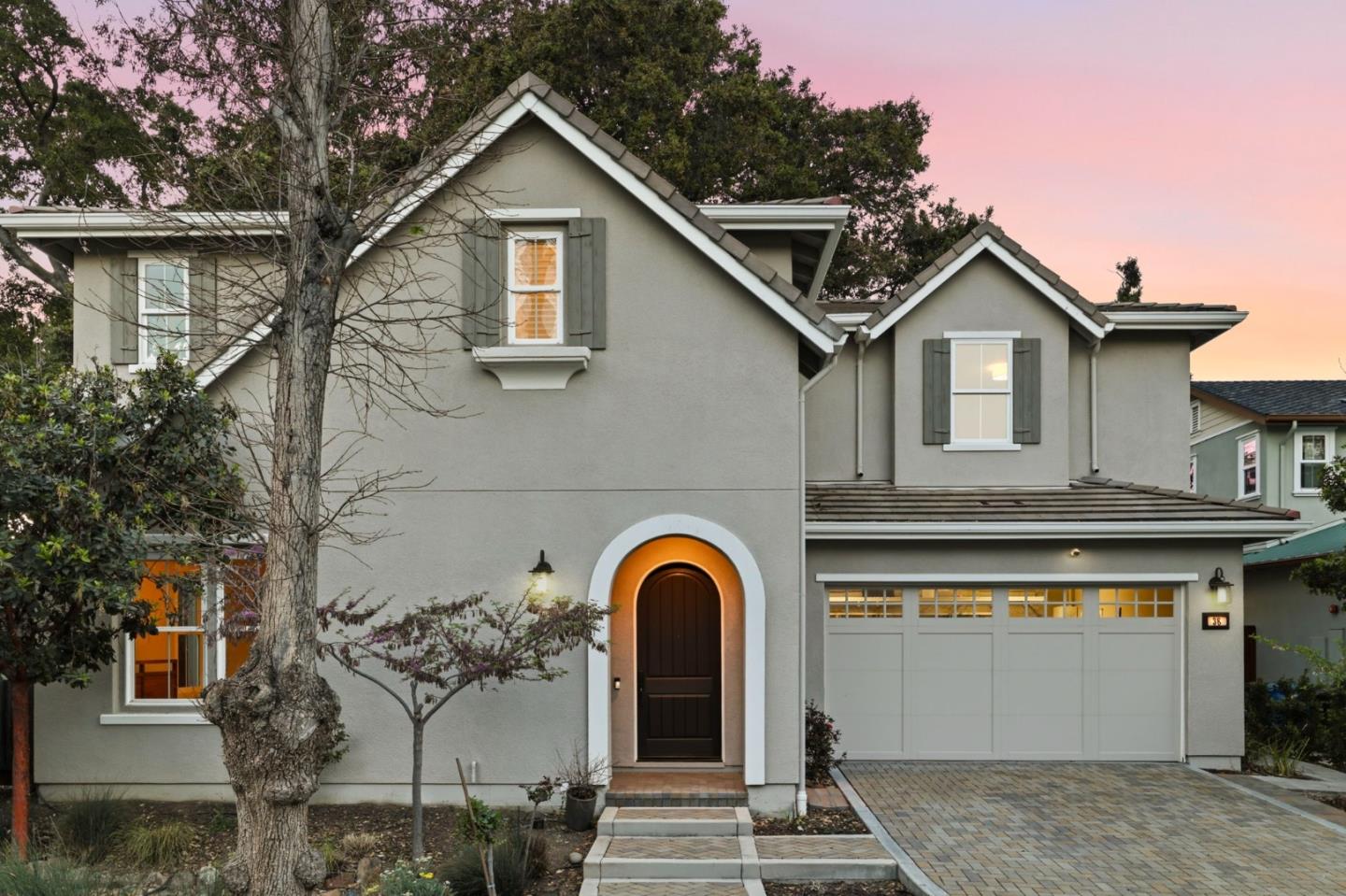
Redwood City contains an unusually wide housing spectrum: historic detached homes, smaller postwar houses, hillside custom properties, downtown condominiums, attached housing, and lagoon-side communities in Redwood Shores. Comparing all these homes under one price-per-square-foot average is rarely helpful.
The location of a home relative to downtown, park access, usable land and construction condition changes its market context. Owners with older homes may have unique architectural features or improvement opportunities; hillside properties have engineering and landscape issues; attached homes involve common ownership obligations.
Real estate advice should begin by identifying the correct submarket and jurisdiction, followed by current comparable sales and property-specific facts. Redwood City's growing downtown appeal does not make every home equally valuable or immune to market changes.
Redwood Shores is a planned Bayfront community within Redwood City, but its lagoon, attached housing, associations and shoreline setting differ substantially from the historic downtown and western neighborhoods. The incorporated city includes both; they simply represent different residential environments. A useful comparison begins with housing type, access and ownership obligations rather than one citywide price.
Emerald Hills is a nearby unincorporated area commonly associated with Redwood City addresses and real-estate searches. It should not automatically be described as part of the incorporated city, even when the broader market conversations overlap. County jurisdiction, utility or road responsibilities and permit requirements can differ. Verify legal parcel boundaries before relying on a neighborhood label.
Mount Carmel includes earlier housing and a more historic residential feel, while Woodside Plaza is strongly associated with postwar expansion and practical neighborhood shopping. Their house ages, lot patterns, walking environments and remodeling opportunities differ. Both can contain substantial upgrades, but the way architecture contributes to value is not identical.
Start with the correct submarket: historic detached house, mid-century ranch, hillside site, downtown condo or Redwood Shores development. Then consider actual condition, permits, usable outdoor area and nearby amenities. Wen Group's architectural perspective helps identify what is special about a property, but credible price guidance still requires relevant closed sales and current market context.
Redwood City manages to be both a historic civic center and a city of smaller local communities. That mixture—Courthouse Square, familiar residential blocks, wooded trails and the Bayfront—is what gives it depth beyond a convenient Peninsula location.
Browse the available properties in the area below.
Browse the available properties in the area below.