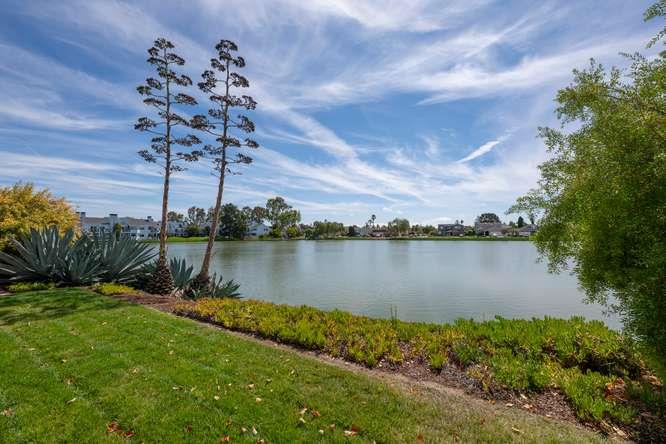
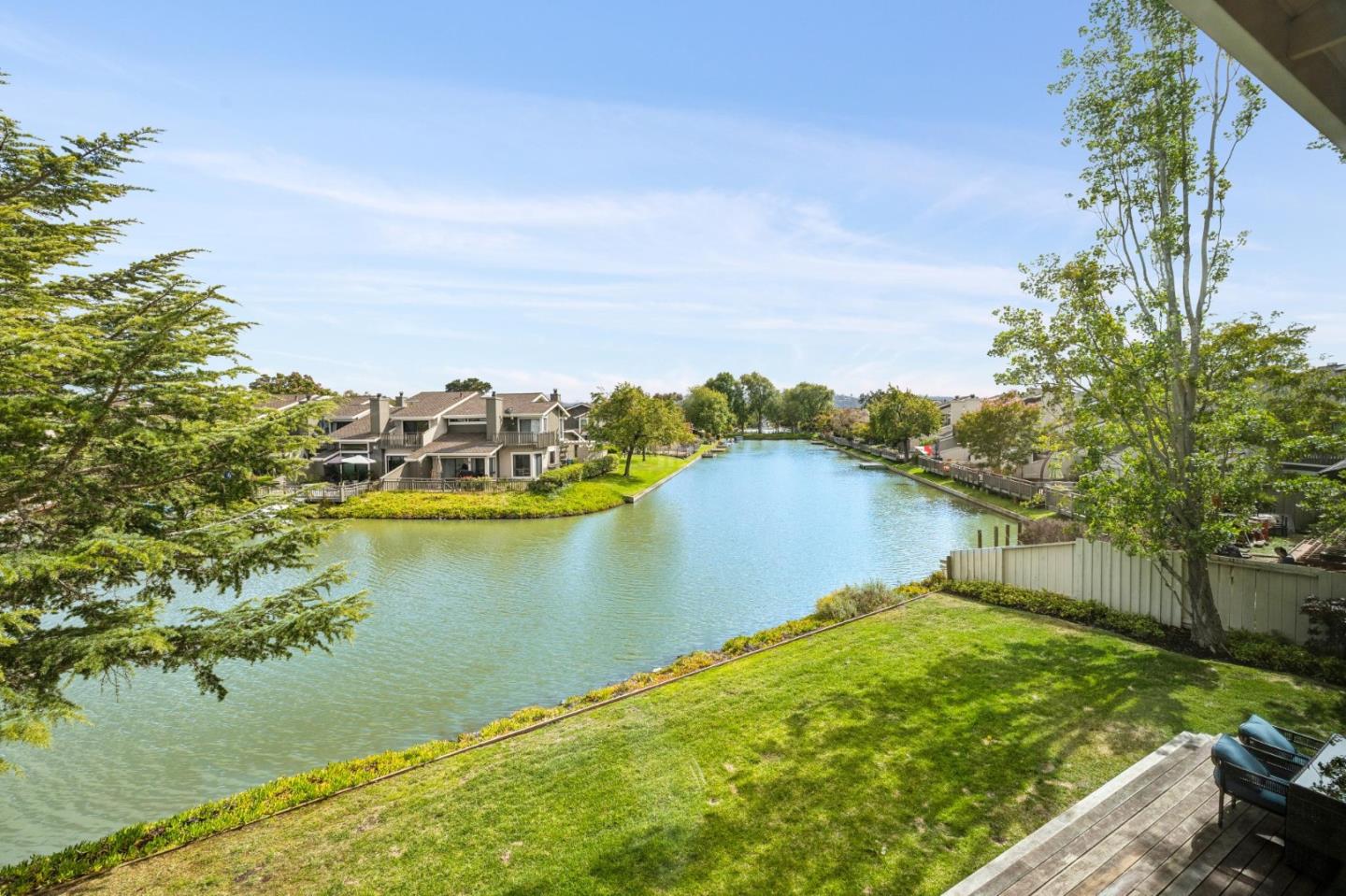
Redwood Shores is a place where waterways shape the map. It occupies a low-lying peninsula north of downtown Redwood City, with the Bay, Belmont Slough, interior lagoon and a system of residential streets designed around the water. The planned setting feels different from the early street grids of Redwood City or San Carlos.
Waterfront homes, landscaped attached communities and office campuses create different environments within one neighborhood. Residents may enjoy a walk near the shoreline, a neighborhood park, or a quiet interior street that feels sheltered from the larger transportation network.
The area's modern development occurred on land shaped by a much longer history of Bayfront industry, fill, levees and water management. Redwood Shores emerged as a planned residential and employment district rather than an old railroad town.
This origin explains the architecture and common spaces. Many properties belong to developments with their own landscaping, recreation facilities and ownership arrangements, while the wider district relies on an engineered system of stormwater retention and shoreline protection.
Development and association names can be more meaningful than informal neighborhood boundaries. The exact association, ownership type, water access, and flood-related features need verification for each property.
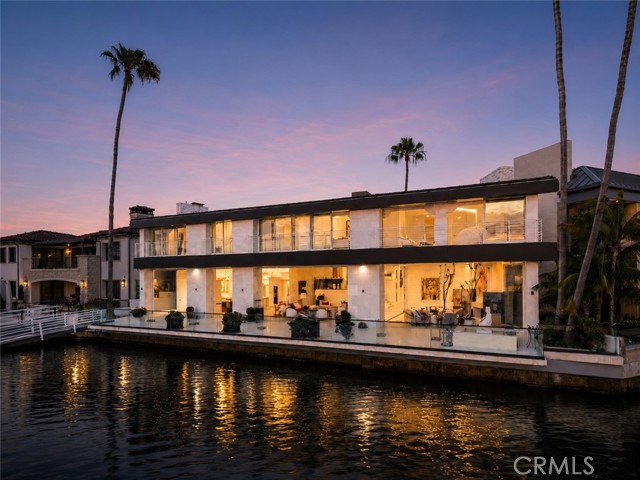
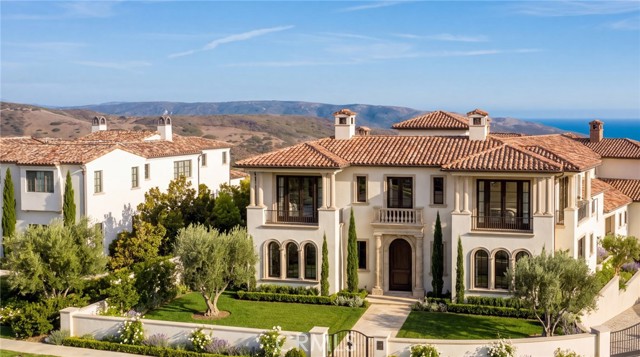
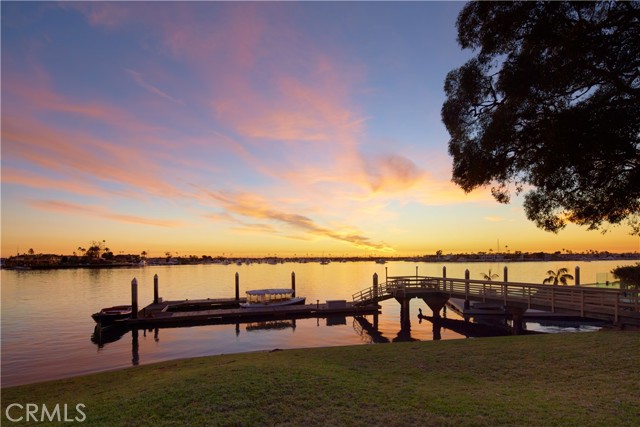
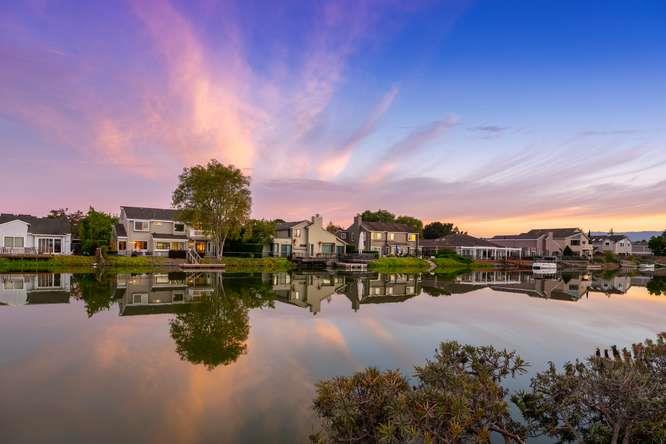
Some single-family houses open toward the lagoon with large rear windows, patios and outdoor rooms oriented to the water. The reflections and broad sky can make relatively ordinary daily spaces feel different from those of an inland home.
That setting also brings responsibilities. Shoreline edges, landscaping, the boundary between private and shared water, association permissions, and maintenance requirements are not interchangeable from one property to another.
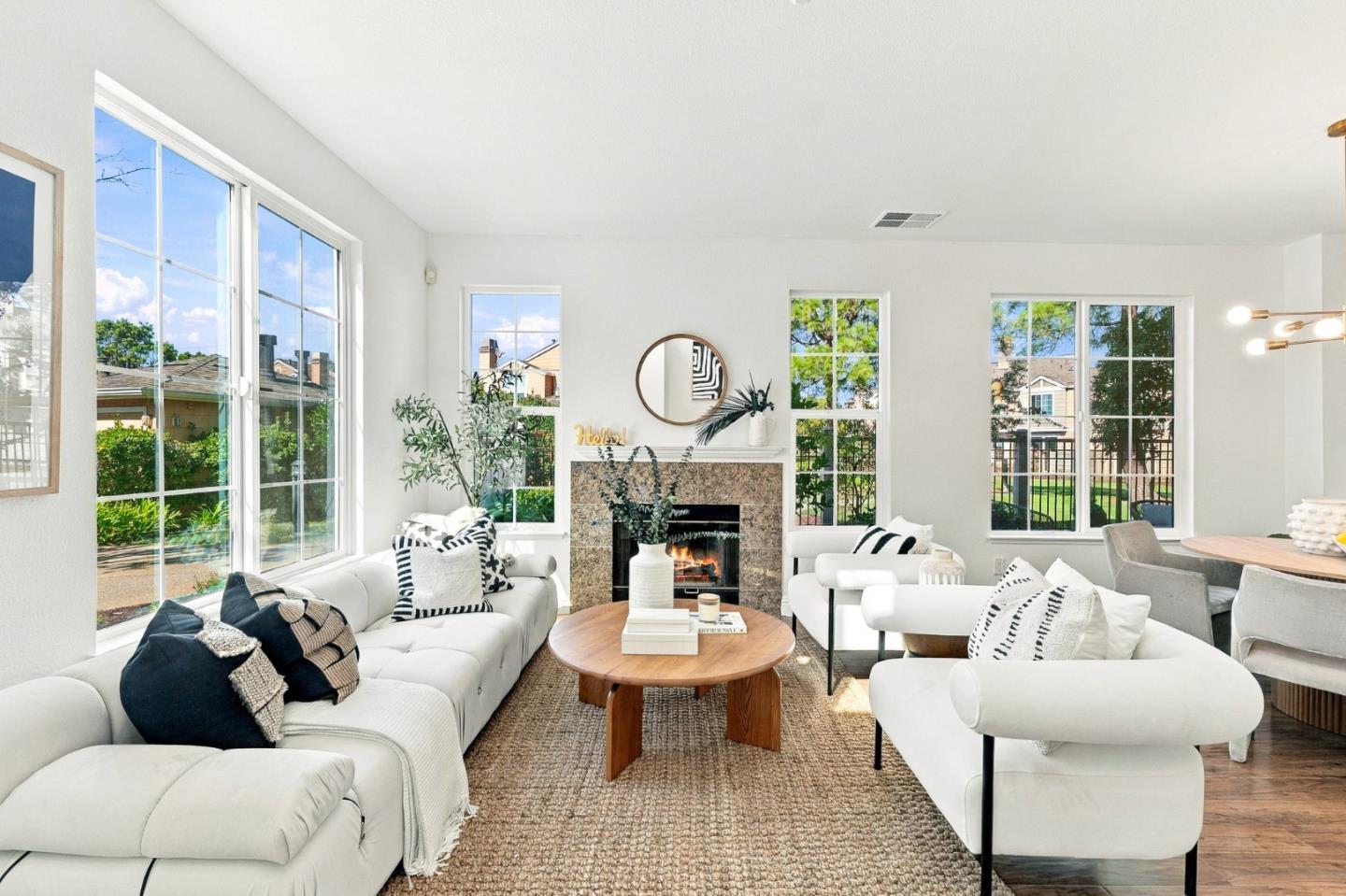
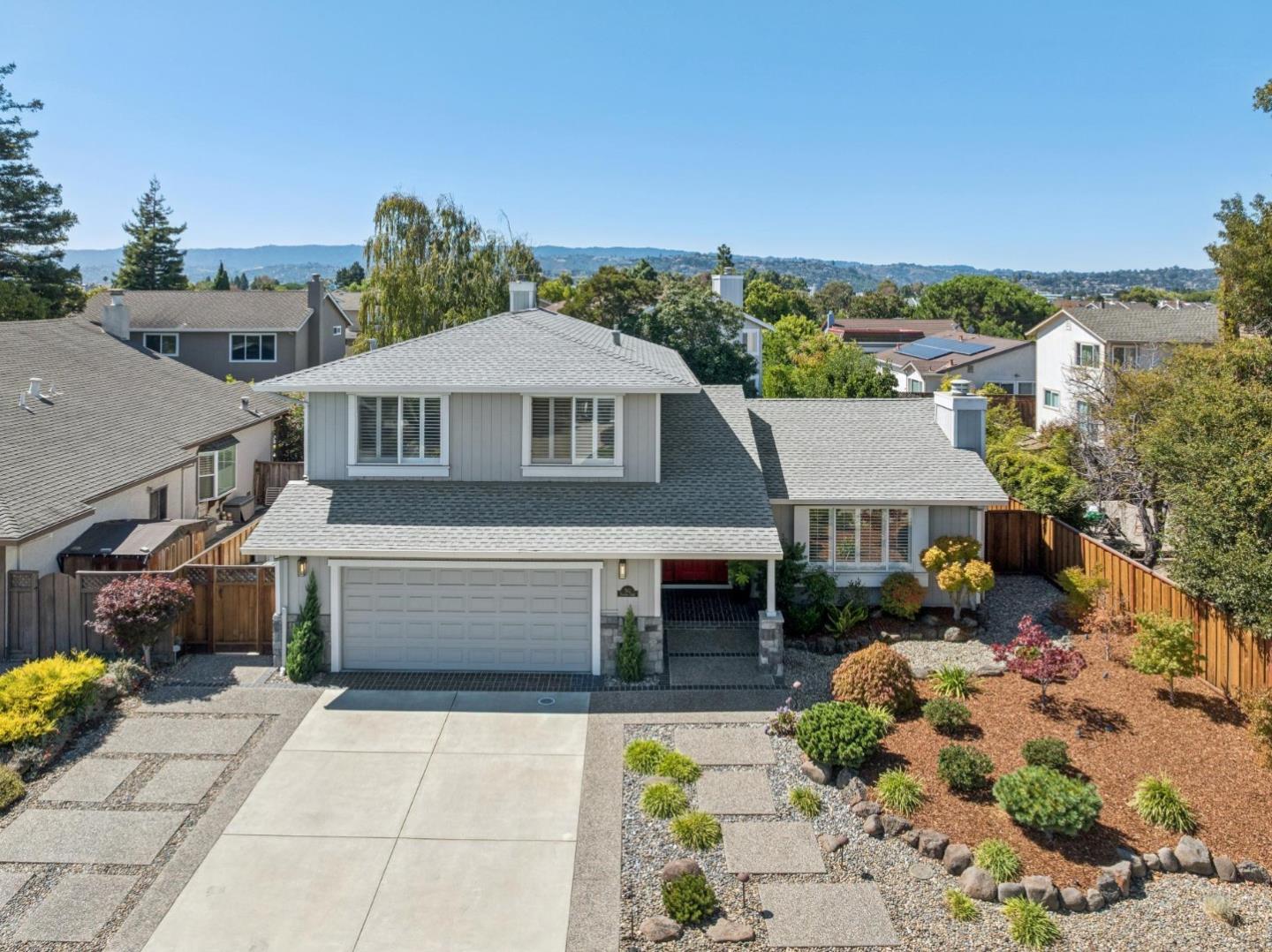
Interior streets may offer a more conventional garden-oriented experience, with parks and open space reached nearby rather than directly through a rear gate. Homes vary in construction era, floor plan, and relationship to shared streets or landscaping.
A property without a direct water view can still have attractive access to the wider lagoon and trail system. The daily walking route and actual surroundings matter more than a broad waterfront ZIP-code label.
Attached communities are an important part of Redwood Shores housing. Some offer common landscaping, waterfront outlooks, recreation facilities, and a managed exterior setting that reduces certain private maintenance responsibilities.
HOA assessments, reserves, insurance, exterior repairs, special assessments, and rules affecting patios or renovations can matter as much as unit square footage. View corridors and private access vary within an individual development.
Other streets connect strongly to the local library, school campuses, recreation and neighborhood retail. For these residents, the appeal may be the practical relationship among errands, parks, and home rather than a postcard water view.
Walking paths can be pleasant, but major roads and waterways may make a destination less direct than it appears on a map. Family routines should be described through actual routes, not distance alone.
Office and employment campuses create a weekday rhythm distinct from the residential interior. Along the shoreline, trails, open sky, marshes and birds make the Bay ecosystem unusually close to a developed community.
The open setting can also be windier and more exposed. Property type and nearby traffic deserve consideration, and planned shoreline improvements should not be mistaken for completed amenities.
Redwood Shores Lagoon is a stormwater retention basin as well as an aquatic landscape. The city manages the system, which holds runoff during higher Bay tides. Levees around the peninsula are integral to flood management. This is a central fact of local life, not a technical footnote.
Residents should review current flood maps, shoreline projects, insurance requirements, homeowner documents and official city information for a given property. A home located behind a levee is not risk-free, and shoreline protection status can change over time.
Shoreline paths and the Bay Trail support walking, cycling and recreation. Nearby open-space settings include Belmont Slough and nature-focused areas along the Bay, where bird habitat and tidal conditions create a different outdoor experience from a neighborhood playground.
Redwood Shores has schools, a library and community facilities, but school district and campus placement must be checked for any individual address. Shopping and dining options are more distributed than in Downtown Redwood City, and residents also use San Carlos, Belmont and Foster City for errands.
The neighborhood has no Caltrain station of its own. Highway 101 and routes toward Redwood City, San Carlos and Belmont provide regional connections. The final-mile journey can be as important as the proximity to the freeway.
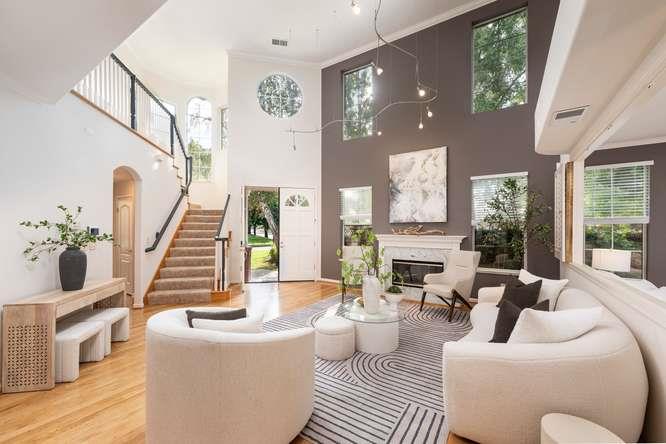
Redwood Shores homes tend to tell a different architectural story from the historic houses of central Redwood City. Floor plans and exterior styles reflect development phases and community design rules. Some housing is oriented toward a lagoon; other properties emphasize courtyard landscaping or controlled private outdoor space.
Renovations need to account for association permissions where applicable, moisture exposure, glazing, insulation, roof condition and the comfort of outdoor areas in Bayfront winds. A property with attractive views may still differ dramatically from another in long-term maintenance and ownership cost.
Waterfront orientation can be a valuable part of daily enjoyment, but it should not be converted into a simplistic promise of appreciation. In Redwood Shores, comparisons need to separate detached from attached housing, direct lagoon frontage from nearby shared access, and properties with different association or insurance obligations.
Buyers and sellers benefit from a precise understanding of HOA documents, shoreline systems, permitted improvements, flood information and comparable recent sales. An impressive photograph of water is not enough to establish the ownership rights or costs that accompany it.
Redwood Shores remains a distinctive piece of the Peninsula because the engineered landscape and residential plan work together. Explaining that relationship accurately is part of the real estate story.
No. Redwood Shores is a neighborhood of Redwood City on the Bayfront peninsula. Its schools, planning and infrastructure are connected to broader municipal and regional agencies, but the community has its own distinct physical setting. Treating Redwood Shores as a separate incorporated municipality would create errors in address, regulatory and service information.
The lagoon is designed as part of the stormwater system, holding runoff when high Bay tides prevent immediate discharge. It also creates water views and recreation opportunities. Waterfront residents therefore live beside both a landscape amenity and important infrastructure. Official maintenance, flood protection and water-use information should be checked rather than inferred from a listing image.
No. A visible lagoon may be adjacent to private, communal or regulated shoreline space. A unit's view does not establish a private dock right, boat access or permission to change landscaping and fences. Governing documents, parcel boundaries and city rules determine which privileges and obligations apply. These distinctions are particularly important in townhouse and condominium communities.
Separate the home's interior merits from the association and its shared assets. Exterior maintenance, reserves, fees, insurance, common amenities, parking and any water-related rights affect long-term ownership. Wen Group's approach would compare the appropriate development and unit type, rather than imply that every waterfront-adjacent home is equivalent.
Here, daily life can mean seeing reflected sunlight across the lagoon, watching birds near the slough, or walking to a familiar park beneath an open Bay sky. The pleasures are specific, and so are the responsibilities. That combination makes Redwood Shores unlike an inland hillside neighborhood—even though both belong to the same larger region.
Browse the available properties in the area below.
Browse the available properties in the area below.