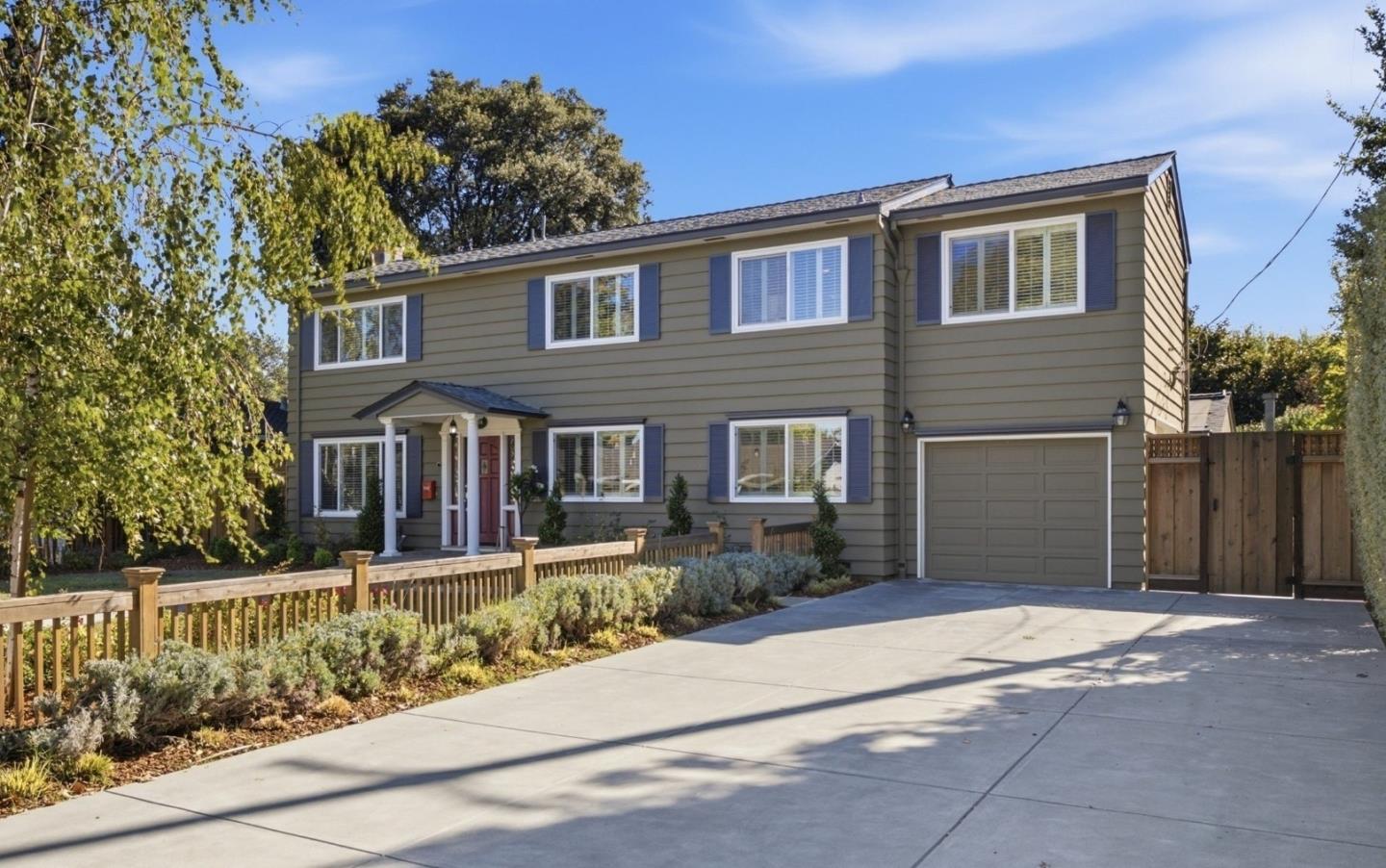
Sunnyvale is one of Silicon Valley's most varied everyday cities. The historic block of Murphy Avenue is intimate, lined with restaurants and small businesses, while nearby downtown development introduces a larger, more urban mix of housing and shops. Farther from the center, much of the city is shaped by postwar residential streets and mature gardens.
The north meets the Bayfront and technology-employment corridors; the southern and western neighborhoods connect to Cupertino, Los Altos and Santa Clara. A resident who walks to the train, a household near a neighborhood park, and someone living close to the Baylands may experience Sunnyvale quite differently.
Sunnyvale's early identity came from farms and orchards in the Santa Clara Valley. The historic Murphy Avenue commercial district grew around the railway and an early townsite associated with Walter Crossman's development of the Murphy farm. Sunnyvale later became significant in defense, aerospace and technology industries.
The transition can still be seen through the architecture and street planning. Older downtown buildings contrast with large postwar subdivisions, industrial campuses and newer mixed-use development. The city's history is neither exclusively agricultural nor exclusively about the current tech sector.
Community labels are approximate, and district boundaries or school assignment should never be inferred from the city name alone.
The Heritage District includes the city's historic commercial core and surrounding housing. The walkable stretch of South Murphy Avenue provides restaurants, cafés, public events and a visible sense of historic continuity.
Nearby residential blocks mix older houses, apartments and new attached housing. The ability to reach shops or Caltrain without a car is an important lifestyle feature, while railroad proximity, parking and changing development affect different blocks in different ways.
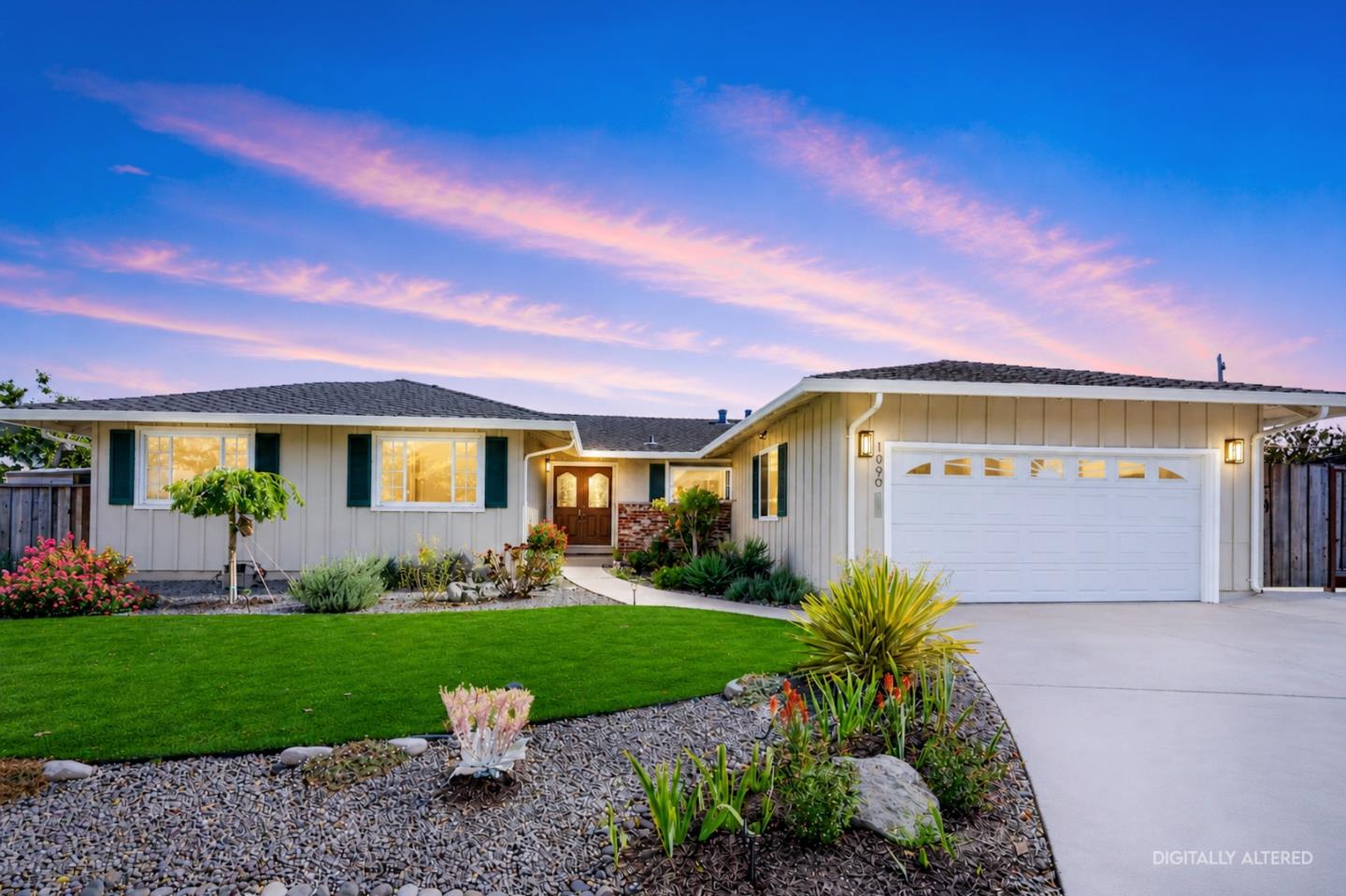
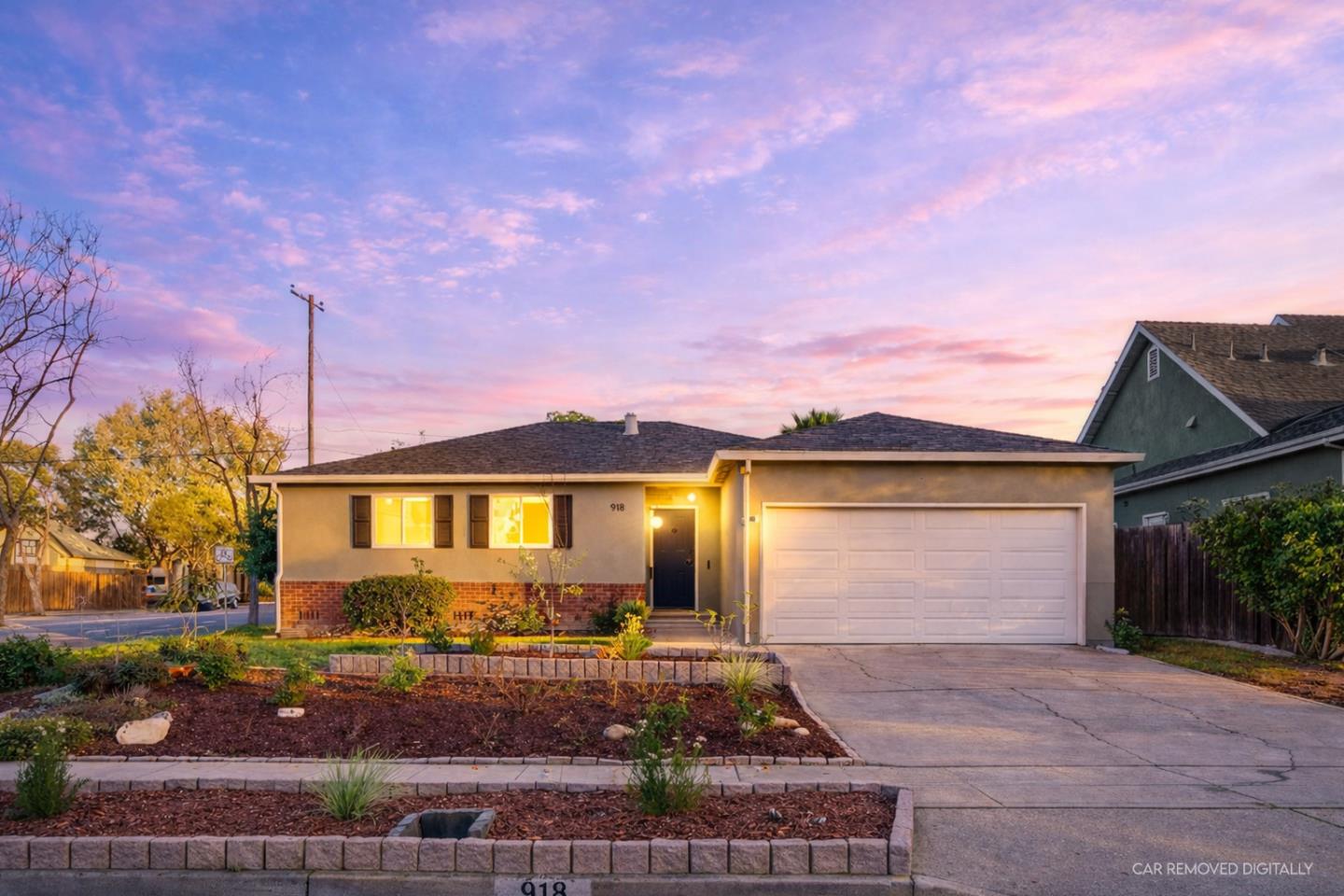
Cherry Chase is associated with established mid-century residential planning and a network of local schools and parks. Houses include classic ranch forms, later additions and contemporary renovations.
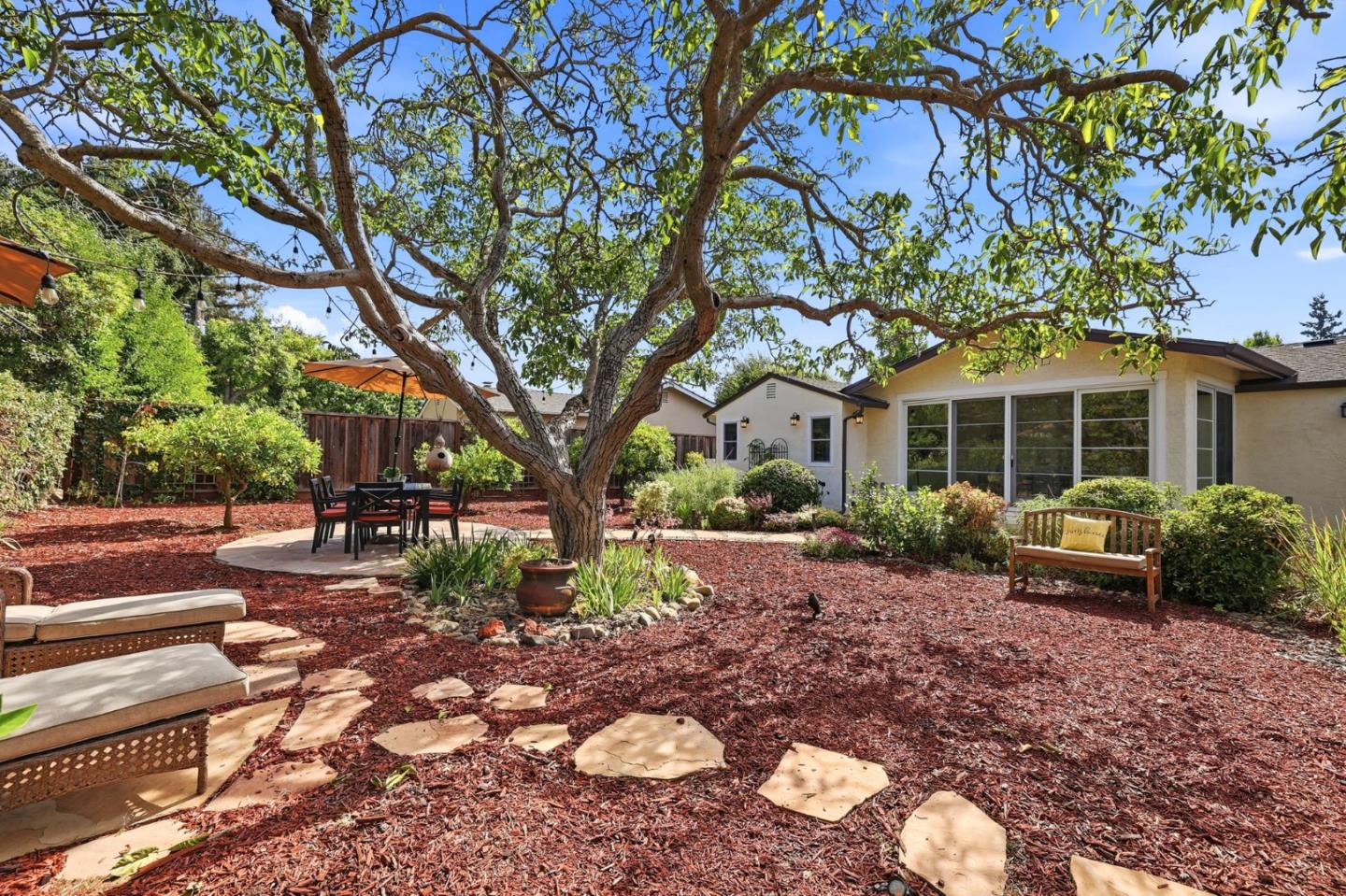
Single-story layouts and private gardens still shape much of the neighborhood character. A thoughtful remodel might improve kitchen circulation and natural light without losing the outdoor space that made the original plan appealing.
Birdland is known as an established residential area with bird-themed street names and a postwar street pattern. Mature vegetation and family-scale houses give it a different feeling from the newer downtown buildings.
The precise experience depends on traffic corridors and neighborhood parks. Similar-looking ranch homes can differ in interior quality, permit history, sun exposure and yard usability, factors that often matter to long-term owners as well as prospective residents.
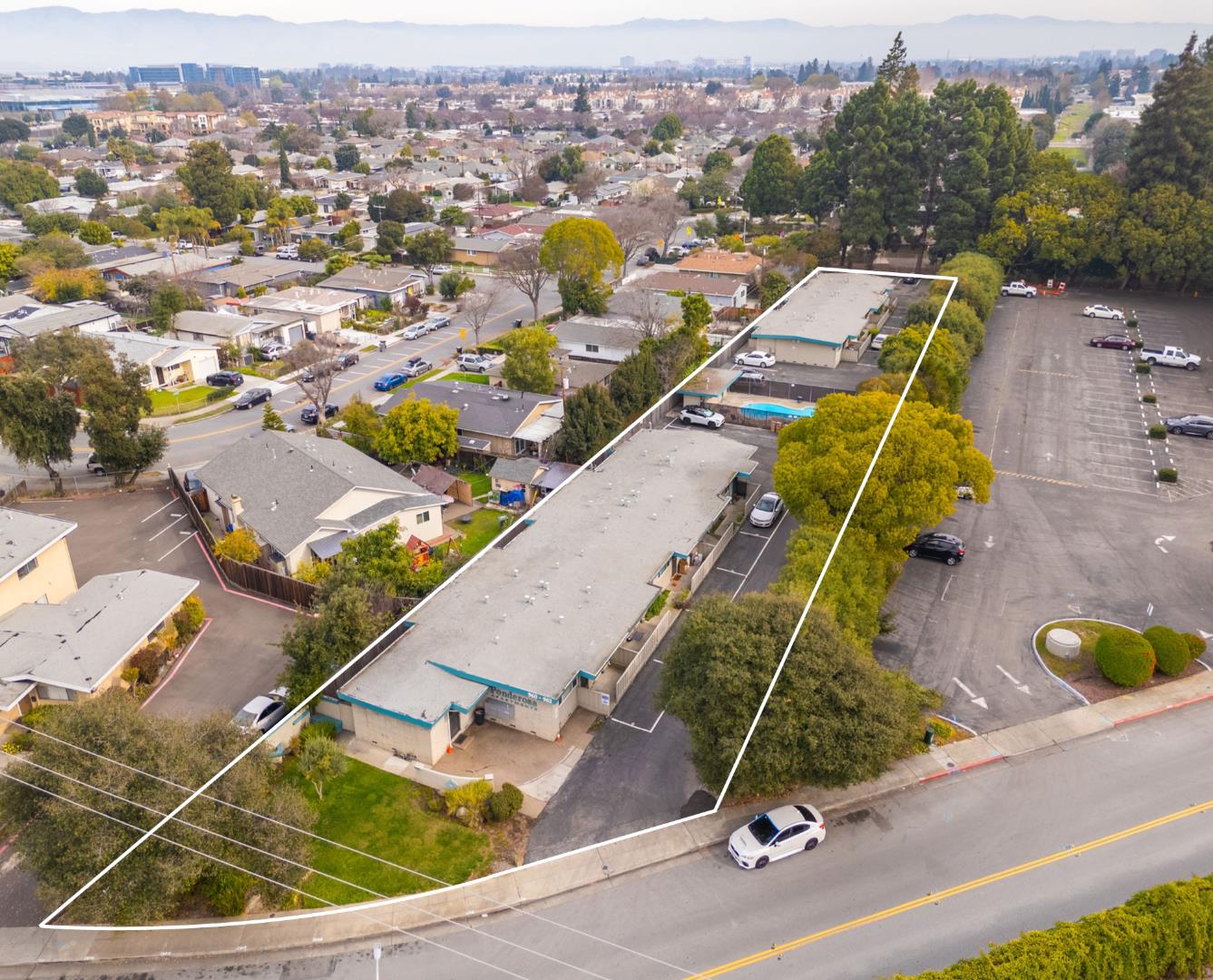
Ponderosa and neighboring residential blocks combine familiar suburban homes with parks, schools and practical shopping routes. The lot patterns and distances to major employment streets can differ from Cherry Chase.
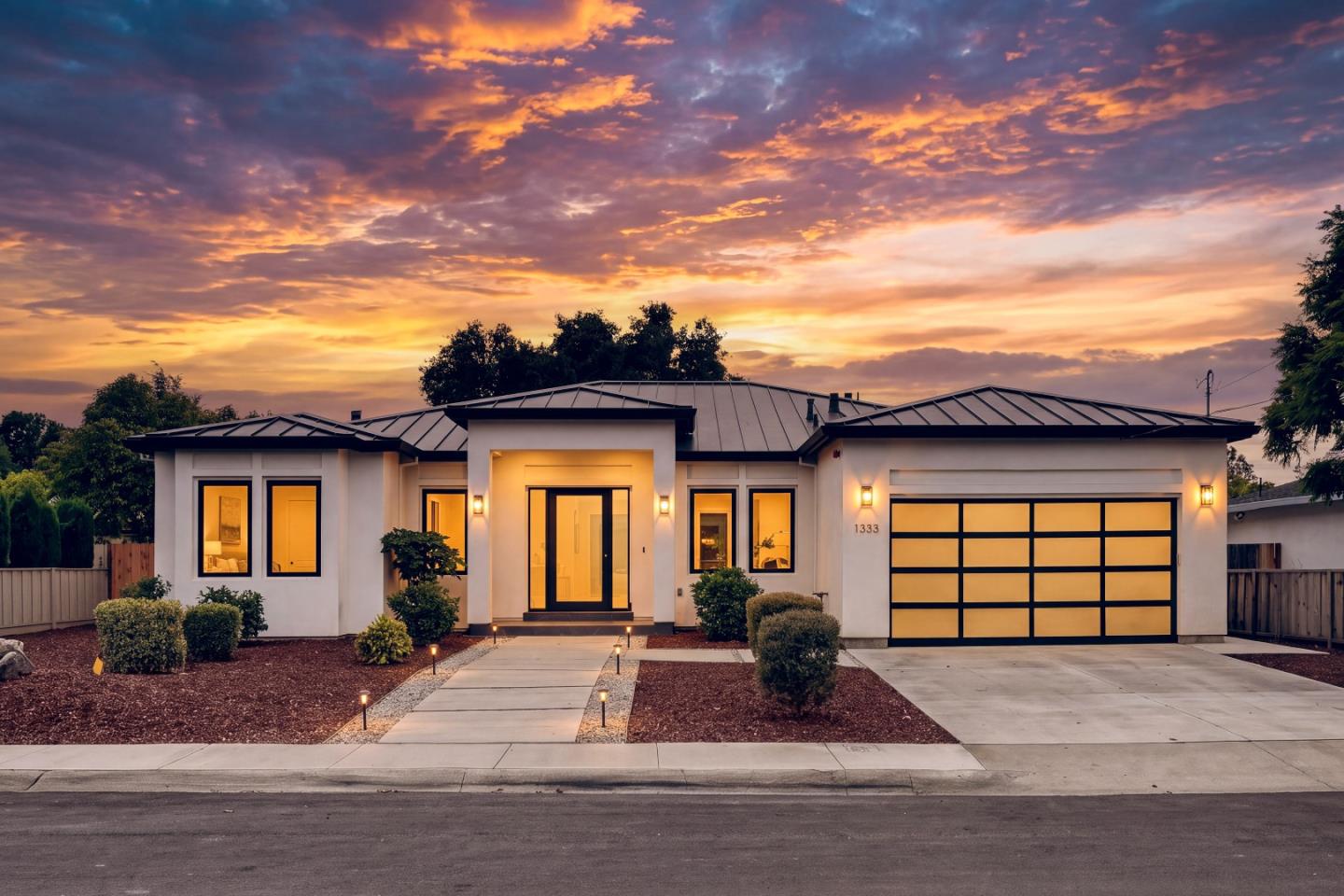
As homes are expanded, the balance of two-story massing, backyard privacy and existing trees becomes an important architectural consideration. The quality of site planning matters more than assuming all renovation is beneficial.
North and northeastern Sunnyvale include established residential areas such as Fair Oaks and Lakewood, along with attached housing and development near larger road corridors. These settings are often more closely linked to Route 237 and northern employment areas than the city's western blocks.
The mix of housing types means value and ownership obligations must be compared carefully. A townhome with shared maintenance is not directly comparable to a detached home with a private garden, even if both carry a Sunnyvale address.
Southwestern areas around Ortega Park and the Cupertino boundary have tree-shaded homes, neighborhood recreation and access to different retail corridors. The city line is not always obvious from the appearance of the street.
Schools, services and market labels may shift across municipal boundaries. A home's usable lot, design and actual district affiliation deserve more attention than broad comparisons with neighboring Cupertino.
Murphy Avenue and the newer downtown area provide an active dining scene and gathering spaces. The year-round farmers' market and public events connect residents to a historic main street, while the city's diversity is visible in restaurants and cultural celebrations beyond Downtown.
Baylands Park offers a very different type of recreation near the Bay, with open landscape, trails and broader skies. Neighborhood parks, pools, sports facilities and the public library provide more local recreational options. Each belongs to a different scale of the city's life.
Sunnyvale includes multiple school districts and separate high-school districts. The correct assignment requires an address-level check; a citywide school reputation is not a reliable substitute.
Sunnyvale Caltrain station connects the downtown corridor to the Peninsula. Highway 101, Highway 85, Route 237, El Camino Real and local bicycle routes create other connections. The practical commute varies by neighborhood, train schedule and first/last-mile travel.
New housing and redevelopment in the downtown and major corridors are part of Sunnyvale's evolution, but planned or approved projects should not be presented as already delivered.
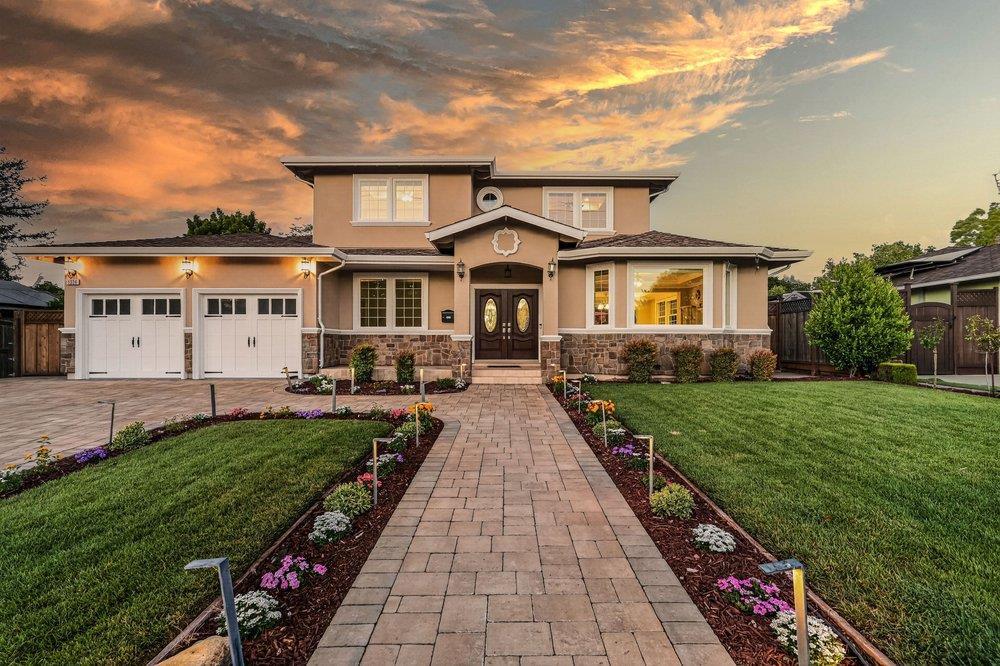
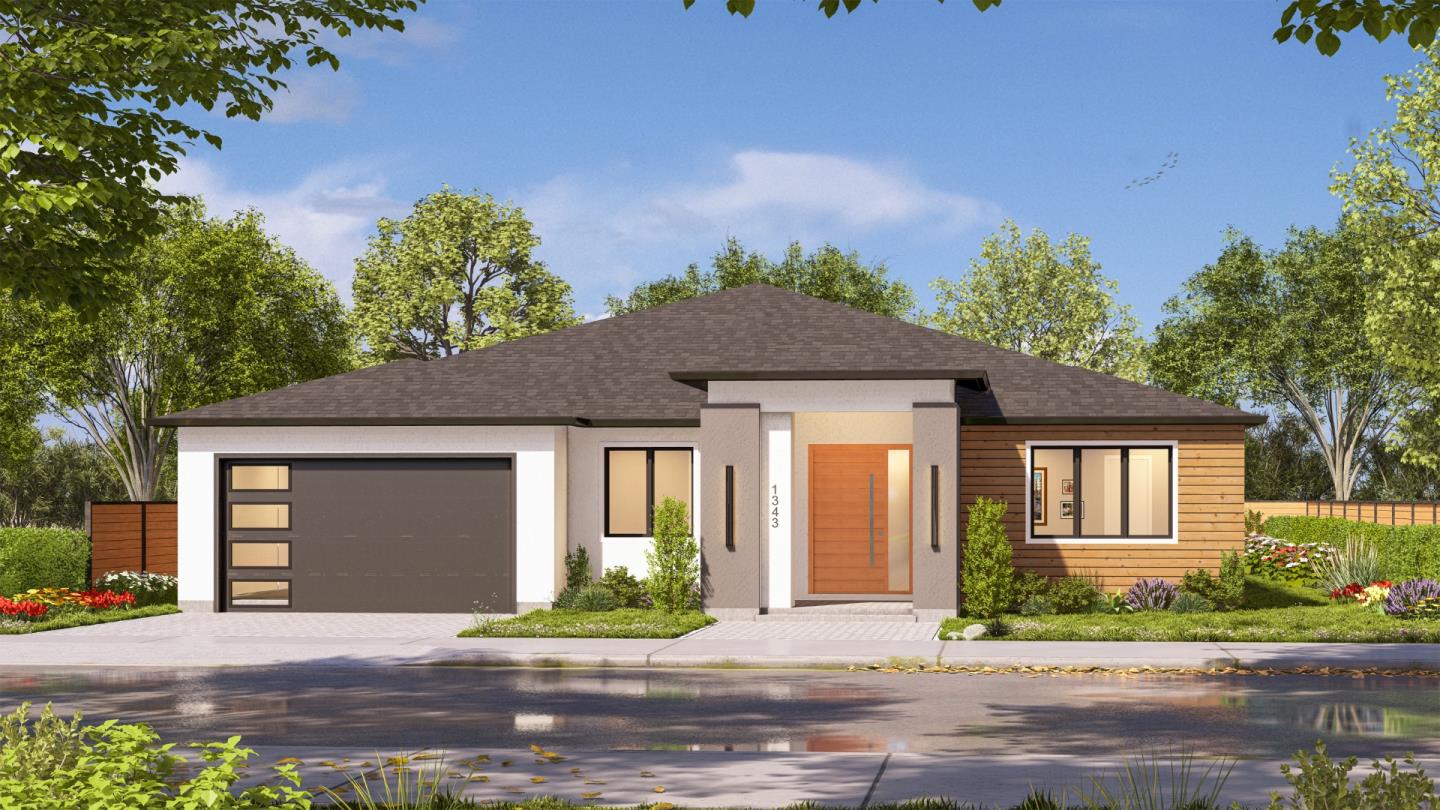
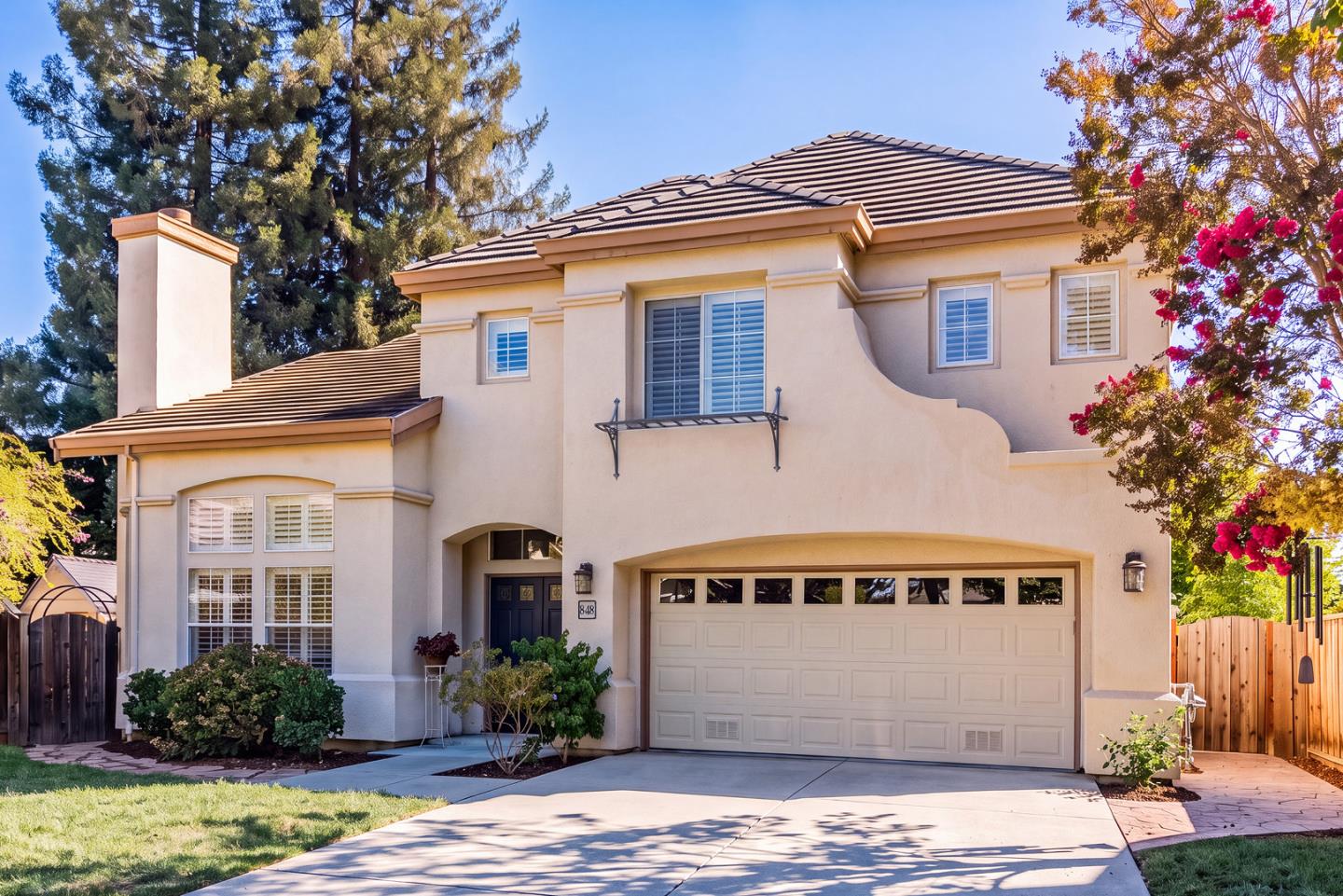
Sunnyvale's housing range is unusually broad: older detached houses, mid-century ranches, condominiums, townhouses and newly built urban housing. A median price across these types says little about an individual home's value.
Older homes on useful lots can offer strong opportunities for preservation or renovation, especially where yard space and single-level layouts remain appealing. Near downtown, walkability and transit may carry more weight; in the north, proximity to employment and highways can influence demand and the daily experience.
Owners and sellers should separate improvements that add usable function from those that merely inflate an advertised square-footage figure. Current comparables, building condition, permits and HOA responsibilities deserve clear discussion. Technology-market strength cannot guarantee future resale performance.
The historic Murphy Avenue block anchors an older main-street identity, while nearby downtown redevelopment has brought newer mixed-use buildings, retail and housing. They are connected but not architecturally identical. Living in a historic residential block and living in a modern attached building near Caltrain create different routines and ownership responsibilities.
Both are associated with established postwar housing and community-scale streets, but their local park and school routes differ. Birdland's bird-themed street names create a memorable identity; Cherry Chase has its own established residential pattern. The condition of homes and the way remodels use private gardens matter much more than assuming every property has the same floor plan.
No. Sunnyvale includes detached ranch houses, renovated and replacement homes, townhouses, condominiums and newer downtown housing. The sale mix shifts from period to period. Meaningful comparisons separate property type, neighborhood, lot characteristics, condition and building age before drawing conclusions about values or changes in demand.
A sale presentation should make it easy to understand a home's actual layout, usable outdoor space, permitted updates and access to nearby destinations. In established ranch neighborhoods, the garden relationship can be important; in attached housing, the association and common facilities matter. Wen Group's architecture-informed perspective helps organize those details into an accurate property story.
Sunnyvale's identity is built on transitions: orchards to aerospace, an old main street to a modern urban center, and established residential blocks to Bayfront employment landscapes. Its neighborhood variety gives residents more than one way to belong to the city.
Browse the available properties in the area below.
Browse the available properties in the area below.