San Mateo has an urban energy that is easy to recognize around Third and Fourth avenues, where restaurants, cafés, shops and nearby Caltrain service create a busy downtown setting. Yet the city is also made of garden neighborhoods, established hillsides, coastal-influenced Bayfront blocks, and newer mixed-use developments. Its residential range is much broader than the downtown photographs suggest.
Someone near Central Park may enjoy visiting the Japanese Garden and walking to dinner. A family in Beresford may think about neighborhood recreation and the route to school. Residents of Bay Meadows often use parks and planned walking links within a newer neighborhood. These are different daily experiences within the same municipality.
San Mateo's history spans Indigenous communities, early ranch and estate land, the Peninsula railroad, and the growth of a civic-commercial center. Wealthy nineteenth-century estate properties gave way to public parks and residential neighborhoods, while the downtown commercial core developed around transportation and local business.
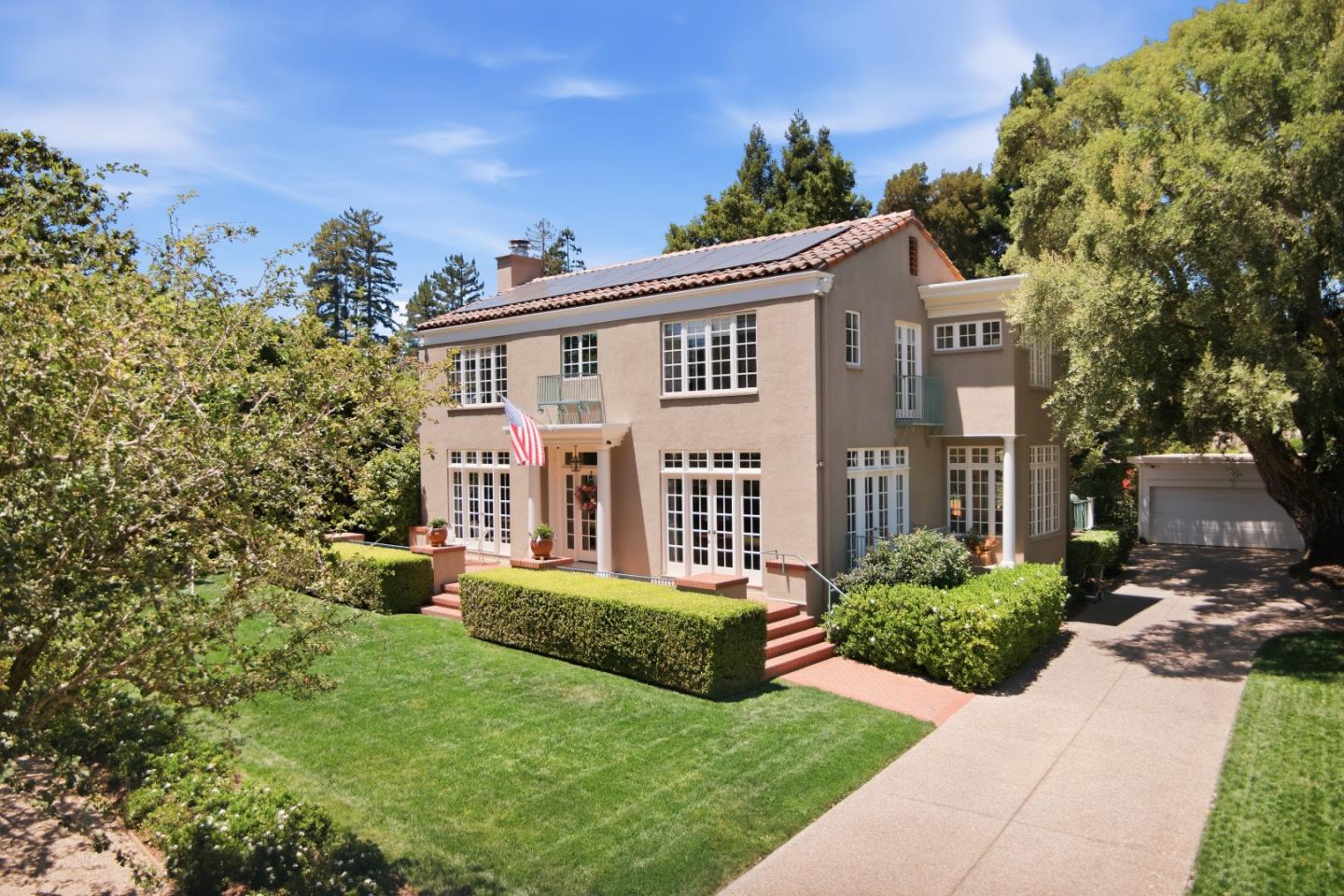
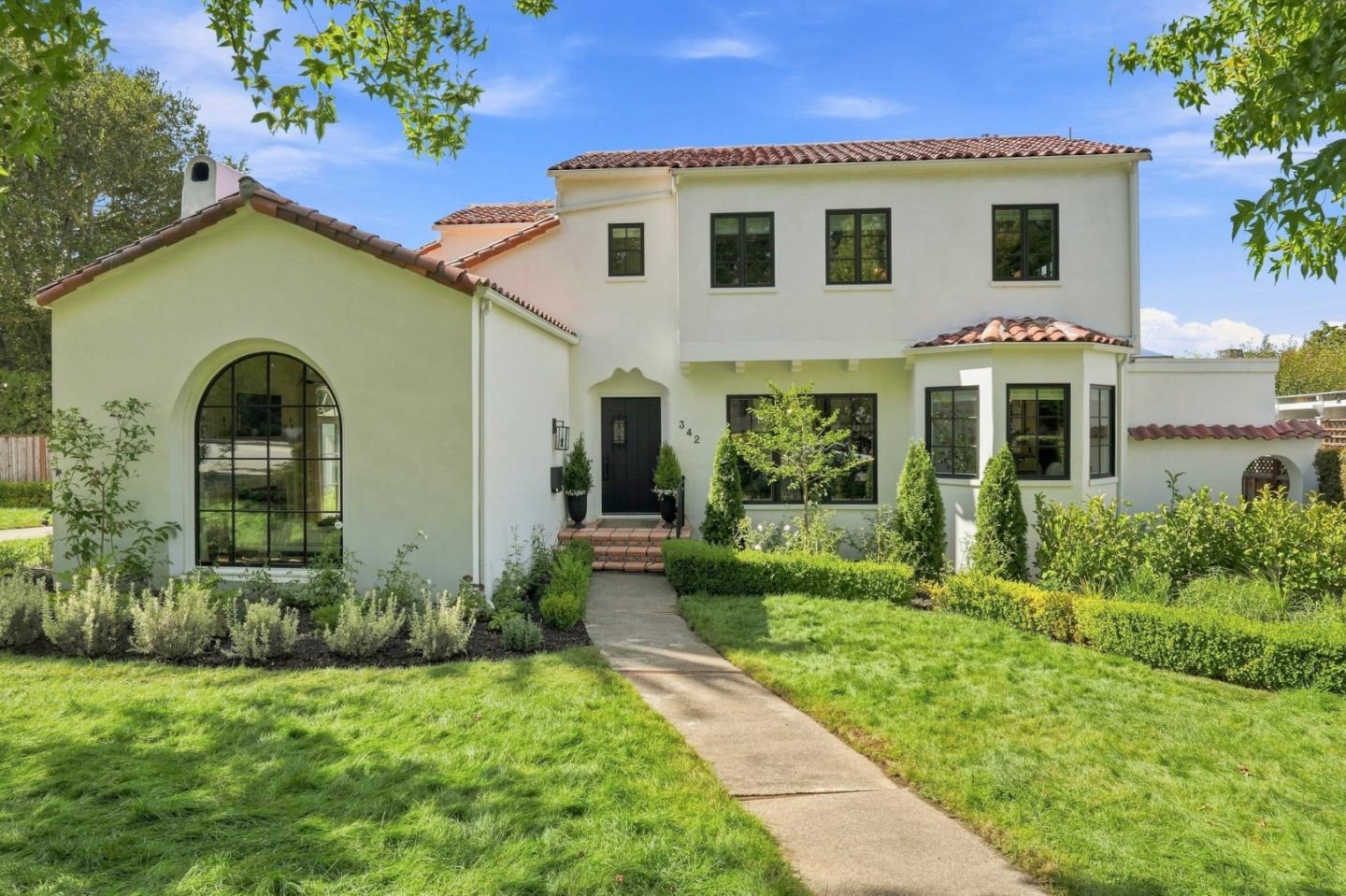
Central Park was once part of the Kohl estate; the city purchased the land in 1922. Its Japanese Garden, designed by landscape architect Nagao Sakurai, is a distinctive cultural landscape. The city's historical story remains visible in downtown streets and in residential areas such as Glazenwood, noted for Spanish Colonial Revival architecture.
San Mateo has many recognized neighborhood associations; their boundaries and informal real estate labels may differ. Park access, school districts, and site conditions must be checked by address.
Downtown mixes restaurants, shops, apartments, offices, public spaces and a historic built environment around B Street and the avenues. Nearby streets contain traditional houses, smaller multifamily buildings and some newer residential infill.
Central Park is a focal point, with gardens, recreation and cultural events. The experience of a home close to these destinations includes walkability but also varying parking patterns, train activity and commercial traffic. The city's downtown historic district has a specific preservation context distinct from other older neighborhoods.
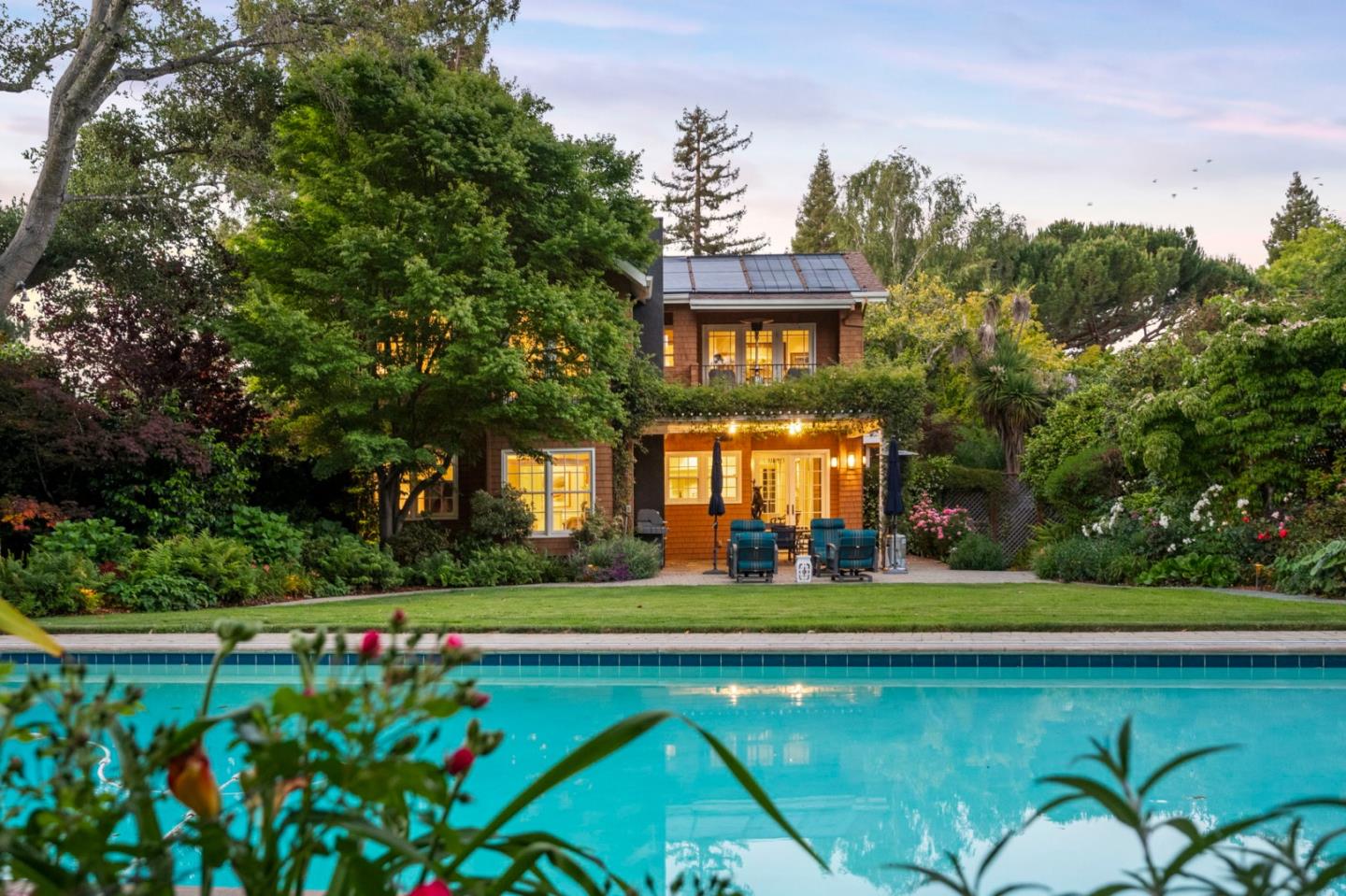
Baywood is known for older architectural character, tree-lined streets and houses of varied traditional styles. As the land climbs to the west, some areas develop broader parcels, different grades and more individualized designs.
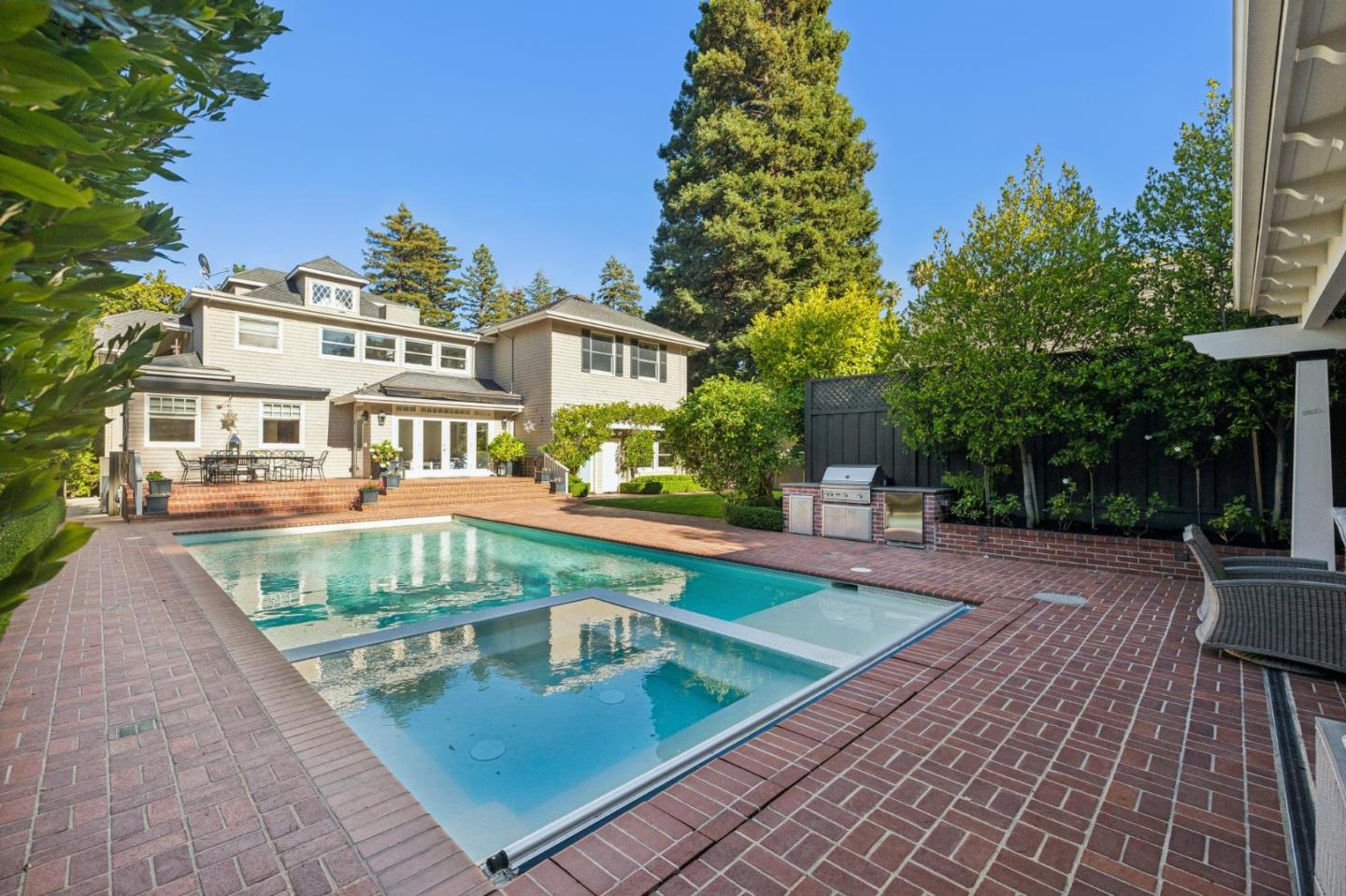
The distinction between an established garden house and a hillside property can be significant even within a familiar neighborhood name. Retaining walls, access and sun exposure may matter more on one street; historic detailing and proportions may define another.
Aragon and nearby residential districts include earlier twentieth-century homes, mature landscaping and a scale that differs from the high-density activity of downtown. Rooflines, porches, garden setbacks and updated interiors help define the streetscape.
The relationship between a residence and its front garden can make a street feel comfortable and coherent. Replacing a house with a larger building changes not only the interior program but also daylight and privacy for neighbors.
Beresford is a familiar residential area with local recreation, schools and streets reflecting multiple twentieth-century building periods. Hillsdale is a major commercial and transit-oriented part of the city, with shopping, housing and connections around the rail corridor.
The two settings should not be flattened into one. A quiet garden block has different practical advantages from an attached home close to the Hillsdale station and retail. Site type, parking, access and ownership arrangements all matter.
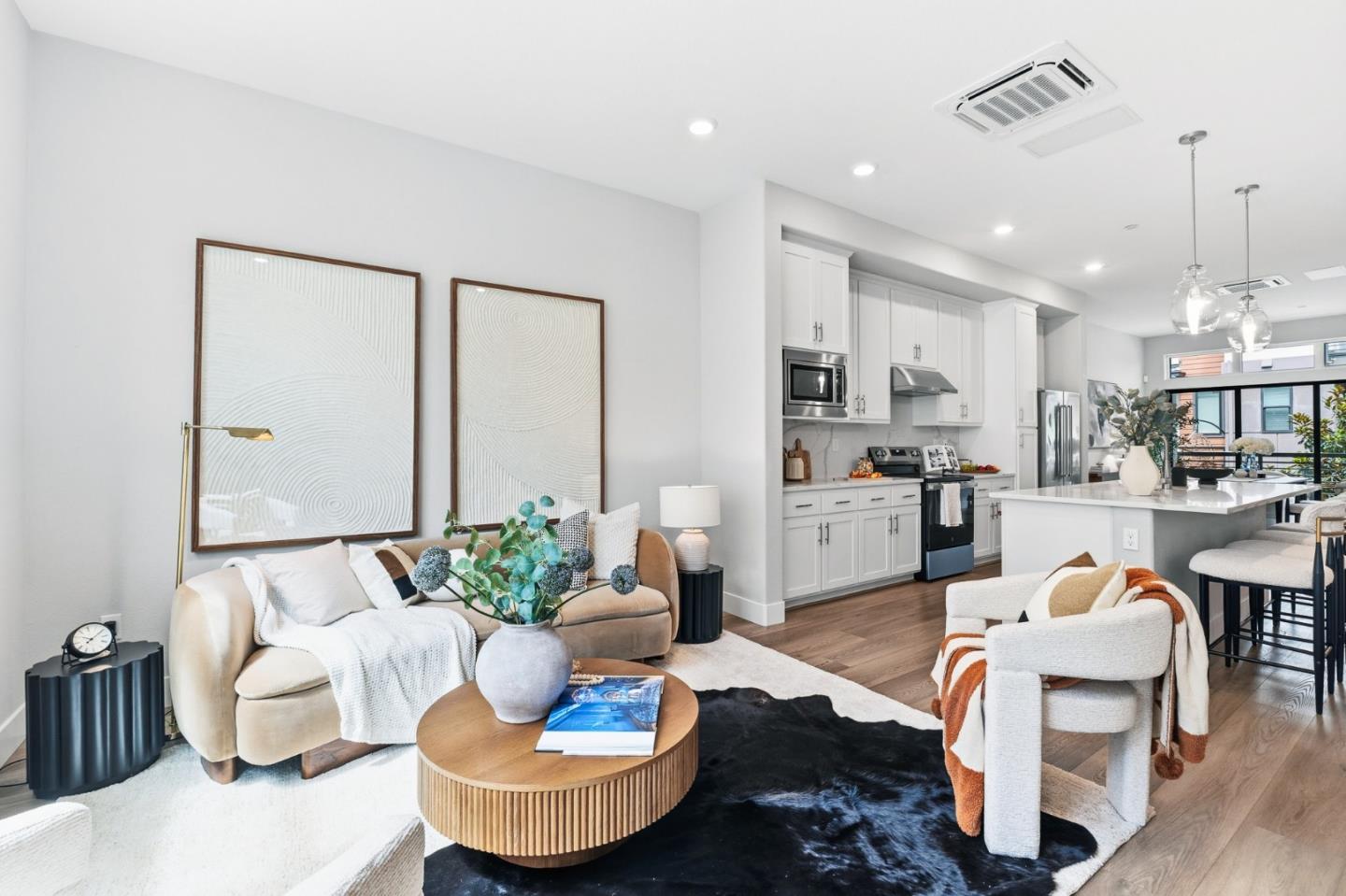
Bay Meadows occupies land once used by the famous racetrack, now redeveloped into a walkable mixed-use neighborhood with housing, parks, office buildings and routes toward Caltrain. The built environment feels distinctly contemporary compared with Baywood or the historic downtown.
Architectural variety exists within a planned framework, and properties may include private associations or newer shared spaces. Buyers and long-term residents should understand HOA provisions, parking, common-area maintenance and the status of nearby construction phases.
East of the main rail corridor and near Highway 101, Shoreview and other eastern neighborhoods have varied housing stock, neighborhood institutions, parks and commercial connections. Traffic and major-road exposure differ from a western residential street.
These areas should be understood through their own community life rather than measured only against a western estate-house standard. A practical local assessment includes the housing type, actual pedestrian network and nearby land uses.
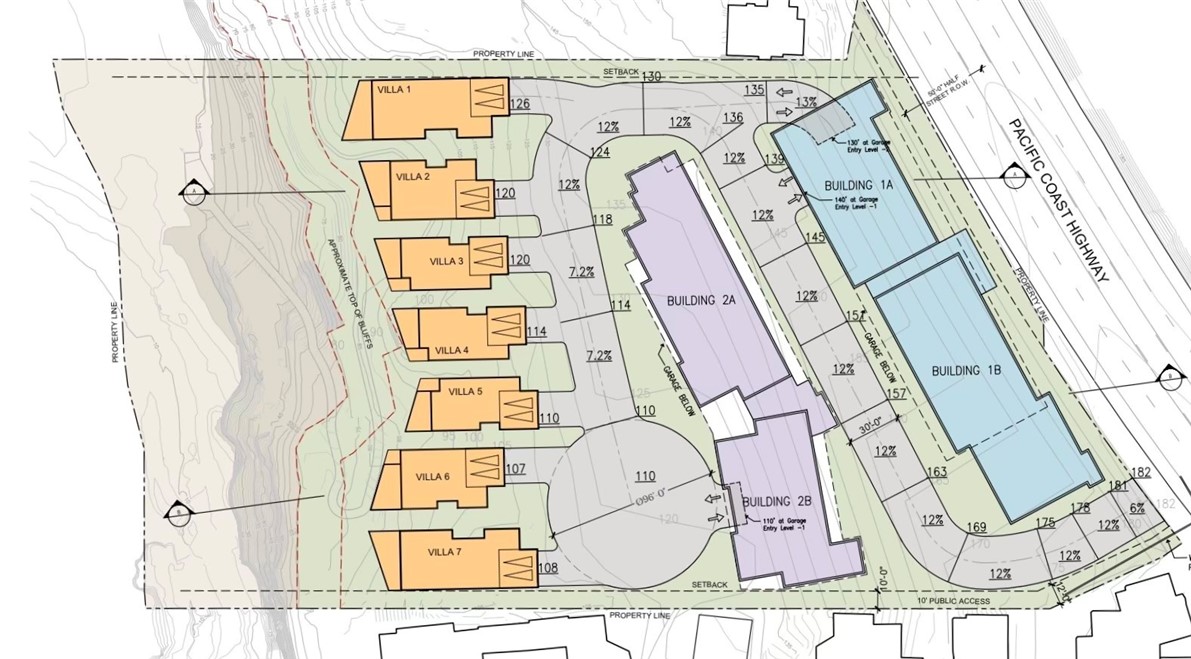
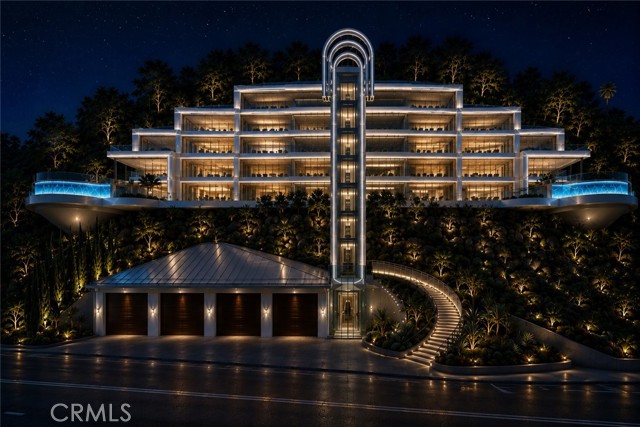
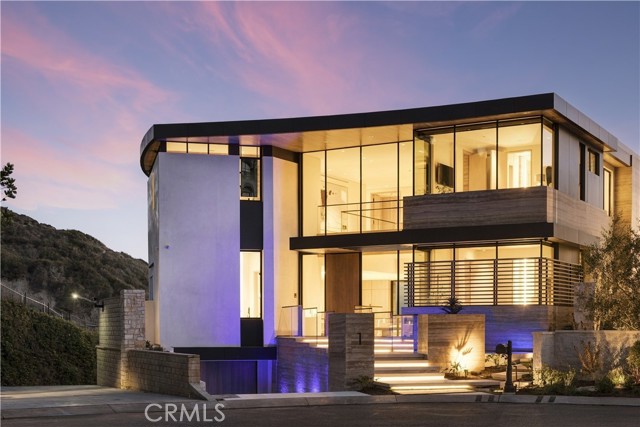
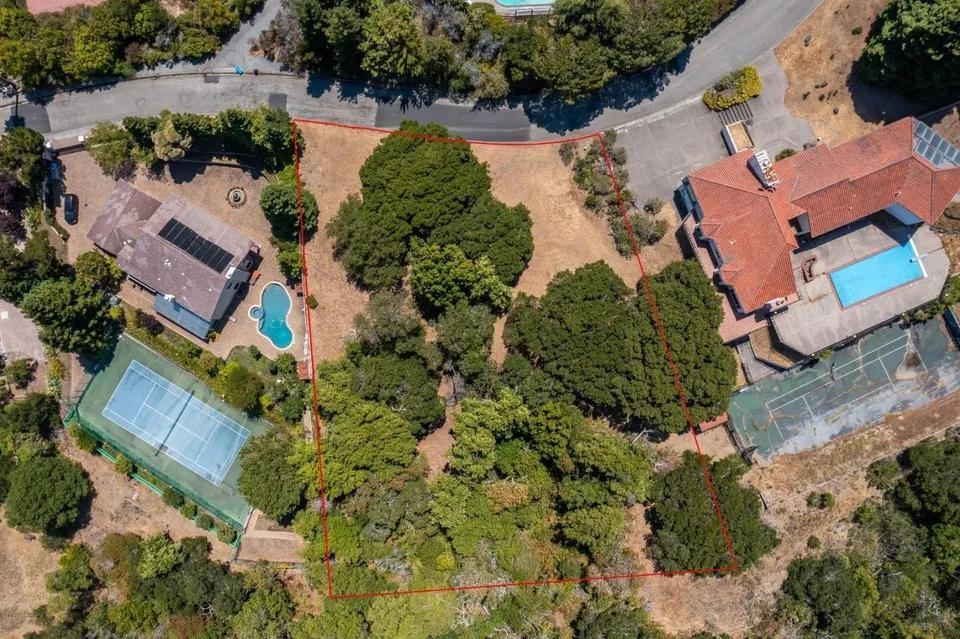
Toward the western edge, San Mateo climbs into more wooded hills and open-space interfaces. Properties may feature split-level plans, terraced gardens and sites responsive to steeper grades.
A larger lot can be attractive for privacy and landscape, but its usable level area, drainage, retaining systems and access matter. The difference between hills and flatter neighborhoods creates distinct maintenance and valuation considerations.
San Mateo's downtown has a widely varied restaurant and café scene, with dining and shopping centered around B Street and adjacent avenues. Residents use Central Park for its Japanese Garden, events and recreation; the current status of particular facilities should be checked because park improvements and closures can affect access.
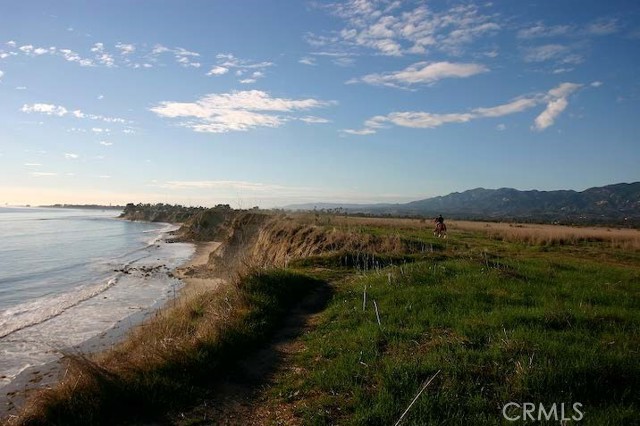
Coyote Point Recreation Area and shoreline trails give access to open Bay landscapes, while smaller neighborhood parks serve daily routines. Hillsdale shopping and the newer Bay Meadows district create additional destinations beyond Downtown.
School districts and grade-level assignments are not uniform across all San Mateo addresses. San Mateo–Foster City School District serves many lower grades, with separate high-school administration, but the correct boundaries and enrollment policies must be verified for each property.
San Mateo's downtown, Hayward Park and Hillsdale Caltrain stops provide multiple rail connections; stopping patterns differ. Highway 101, Highway 92, El Camino Real and routes into the hills create very different local travel patterns. A central apartment and a western hillside home are not equally close to the same transit or retail destinations.
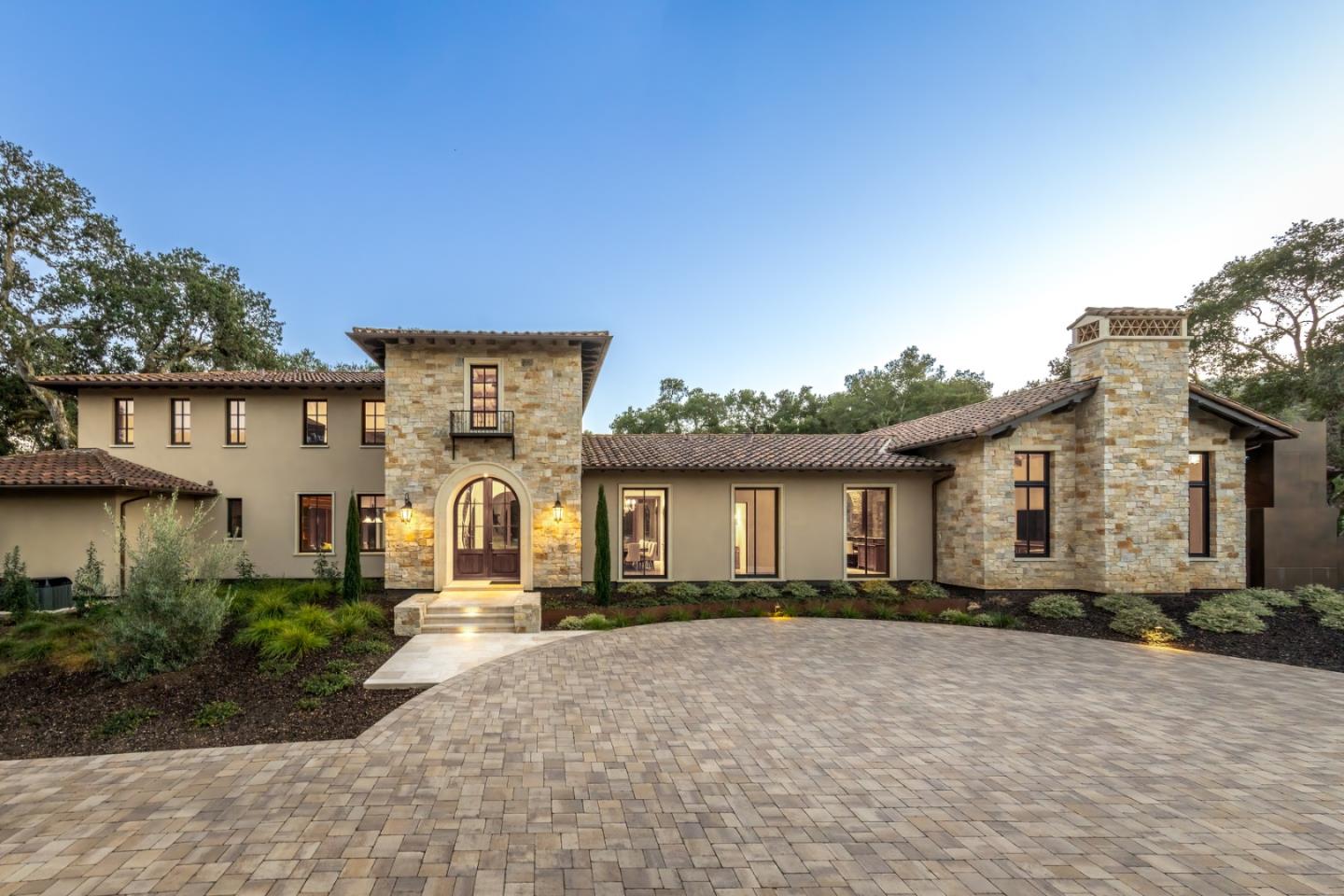
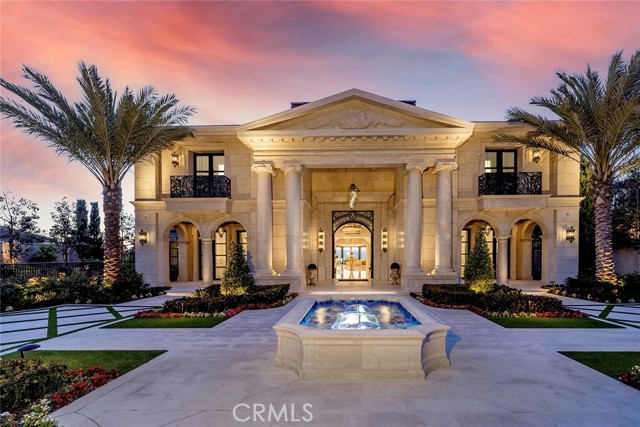
San Mateo has more than one market. Older detached houses near downtown, larger traditional homes in Baywood or Aragon, Beresford ranches, hillside properties, newer Bay Meadows residences and attached units near Caltrain each follow different value drivers.
Historically interesting architecture can contribute character, but renovation costs and designation must be checked. A new building may offer practical systems and layout, while HOA costs and shared obligations are part of the long-term picture. In the hills, grade and usable land can matter more than a gross parcel size; near transit, daily access may be the central advantage.
For sellers, market evidence should match the property type, location and condition. Sweeping claims about the entire city do not substitute for the specific story of a home, and no local market is immune to interest rates, construction costs or changing supply.
Baywood is associated with earlier garden-oriented residential architecture and some more individual western terrain. Bay Meadows was developed from the former racetrack into a newer planned mixed-use neighborhood with parks, offices and attached housing as well as homes. The architecture, ownership structure, walkability and long-term maintenance differ. Neither should be reduced to an automatic price ranking.
The Japanese Garden within Central Park was designed by landscape architect Nagao Sakurai and is part of the city-owned former Kohl estate grounds. It offers a composed landscape of water, planting and traditional garden elements close to Downtown. Visitor access and nearby Central Park improvements can change, so current city notices matter for planning a visit.
No. The city has multiple stations, including San Mateo, Hayward Park and Hillsdale, but residences vary considerably in distance and route. A central neighborhood may offer a practical walk, while a western hillside address may be more dependent on driving or cycling. Stopping patterns and first/last-mile access also matter.
A property-specific story: traditional architecture in an older neighborhood, garden usability in a ranch home, walkable downtown access, or the amenities and association information of a newer Bay Meadows home. Wen Group's architecture-informed approach can explain these distinctions, but values require comparable closed sales and verified permit and condition information.
San Mateo's identity is unusually broad: a lively historic downtown, a serene Japanese Garden, garden streets, regional parks, modern transit-oriented communities and a Bayfront landscape. The city's appeal is not uniform, and that is exactly what makes it rewarding to know well.
Browse the available properties in the area below.
Browse the available properties in the area below.