Millbrae is small in size but unusually varied in character. The city lies between San Bruno and Burlingame, with San Francisco International Airport and the Bay to the east and the rising Peninsula hills to the west. From Broadway's restaurants and shops, a short trip can lead to the rail station, a residential street of older stucco houses, a mid-century ranch home, or a hillside road with views over the Bay. Those transitions are part of what makes Millbrae recognizable to the people who live here.
The rhythm is both local and regional. A Saturday may begin with fresh produce on Broadway, continue with an afternoon at Central Park or on the Spur Trail, and end over dinner without leaving town. On weekdays, some residents depend on the BART–Caltrain connection; others drive to offices across the Peninsula or work close to home. The experience of Millbrae depends on where within the city those routines begin—and on whether the sidewalk, hillside, or transit platform is part of the day.
Millbrae's history began long before it became an incorporated city. The area was part of the Rancho Buri Buri lands associated with the Sánchez family. Banker Darius Ogden Mills acquired a large estate here in the nineteenth century, and the name Millbrae joined the Mills surname with “brae,” a Scottish word for a hillside. Estate grounds, orchards, dairying, transport routes, and early neighborhoods gradually gave way to the town people know today.
The railroad was an early link to the rest of the Peninsula. A historic 1907 depot near the present station recalls the earlier era of Southern Pacific service, while the modern station combines BART and Caltrain in the same transit complex. Millbrae incorporated on January 14, 1948, when postwar growth was reshaping the Peninsula. Much of the residential landscape reflects that progression: homes from the early twentieth century near the older town center, broad areas of postwar construction, and later renovations, additions, and redevelopment.
Parts of the former Mills estate were eventually subdivided for homes and civic institutions, including the area known today as Mills Estates. The estate story remains embedded in local place names. It also helps explain why Millbrae's houses were not all built at the same time: individual neighborhoods developed in distinct waves, and their rooflines, landscaping, street patterns, and interior plans still tell that story.
Millbrae's community names describe real differences in streetscape and daily life, although informal neighborhood boundaries do not always match city planning maps, MLS labels, or school boundaries. The city's own neighborhood-design materials group several places together, including Green Hills & Lomita Hills, Meadows & Glenview Highlands, Highlands, Mills Estates, and Bayside Manor & Marina Vista. It is worth looking at each area's architecture and geography rather than treating the whole city as one uniform housing market.
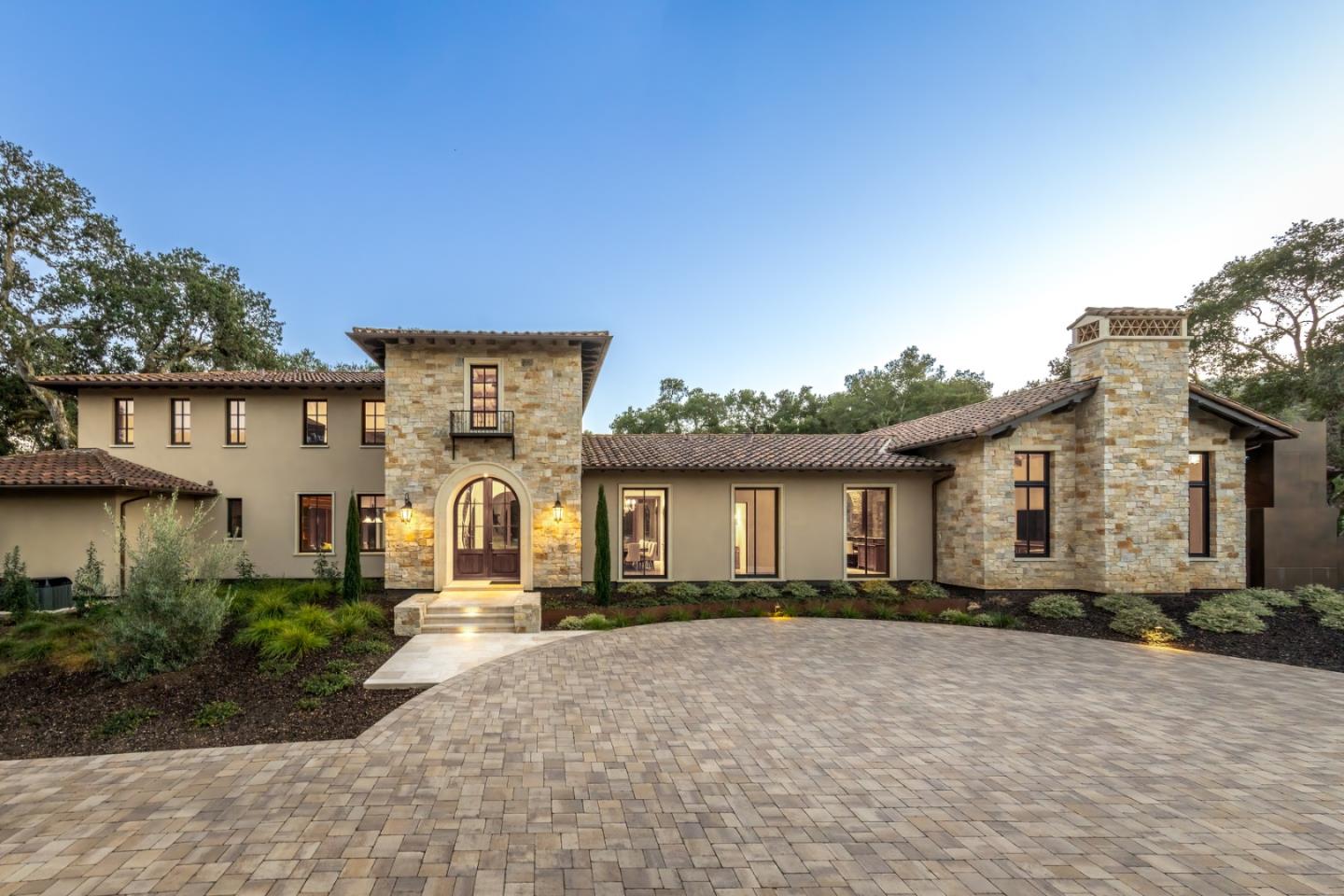
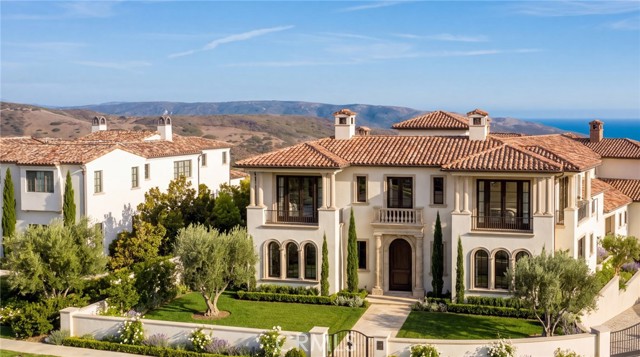
The Highlands is one of Millbrae's most recognizable established residential areas. In the lower Highlands, compact streets and mature sycamores frame houses that often show Spanish Mission or Spanish Revival influences: stucco, clay-tile roofs, arched details, and welcoming front façades. The city's General Plan specifically identifies this architectural character as a defining quality of the lower neighborhood. Renovated homes and later additions sit alongside original details, making house-by-house differences especially visible.
Higher in the Highlands, the landscape changes. Streets bend with the slope, gardens become terraced, and views or more pronounced grade changes can shape how a house is entered and used. A front door may be separated from the garage by stairs; a lower level may open to the garden; a sunny deck on one side of the street may have an entirely different exposure from the house across from it. These details matter to day-to-day comfort as much as they do to architectural design.
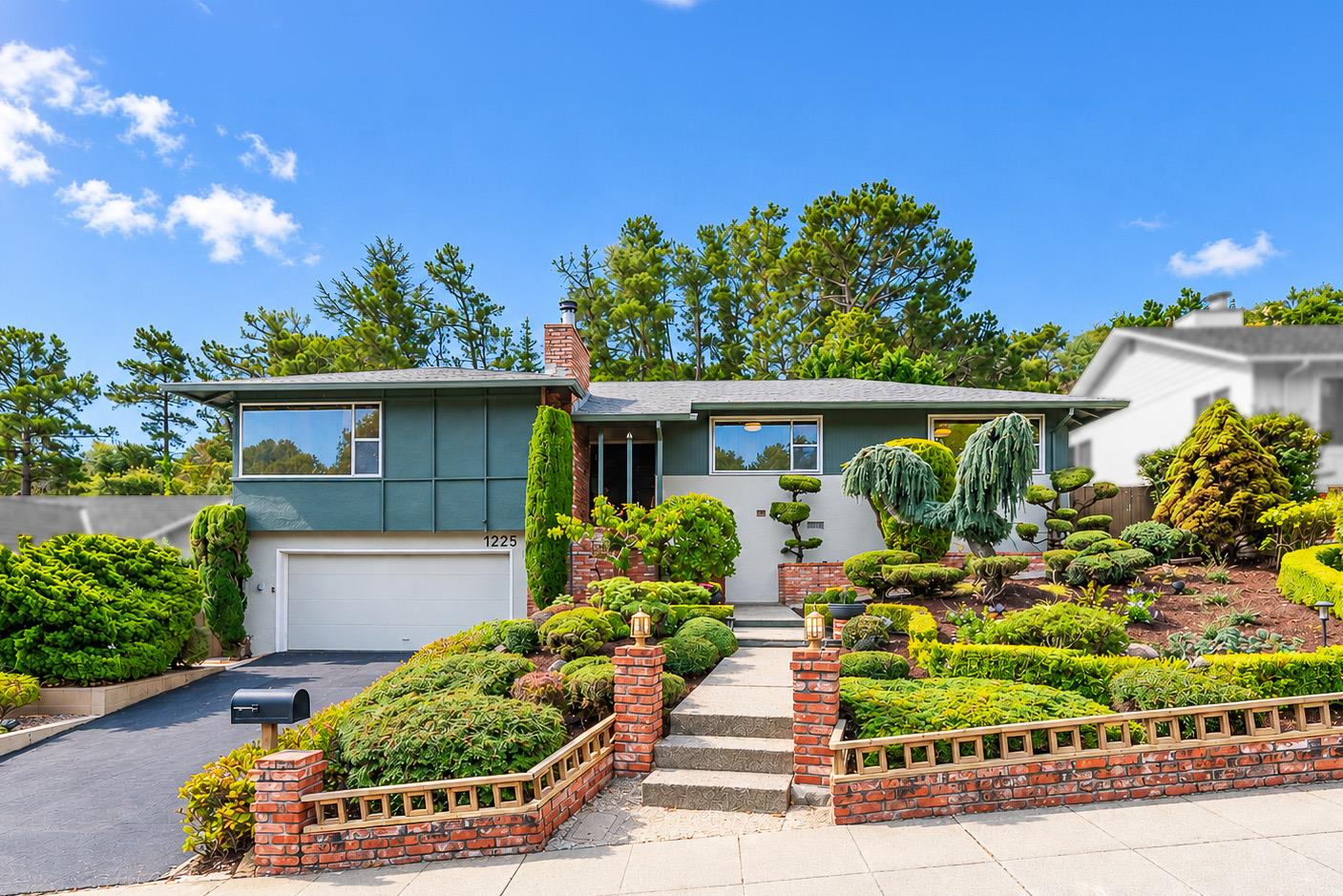
Mills Estates occupies an important part of Millbrae's postwar residential story. The name recalls the former Mills property, while the built environment is associated with mid-century homes, ranch forms, and later remodeling. Low rooflines, broad windows, open gables, and indoor-outdoor relationships give many properties a different feeling from older Highlands houses. Some streets are relatively gentle; others follow hillsides and offer more varied lot levels or outlooks.
An original mid-century house can be valued for its coherent design even when its kitchen and bathrooms have changed. Larger replacement homes and significant remodels introduce different proportions and levels of finish. Around the neighborhood, the relationship among roof shape, daylight, lot coverage, outdoor living, and privacy is often more revealing than an age or square-footage number alone. The Mills High School and Spring Valley school area also reflects how the former estate land became part of the city's everyday civic geography.
Green Hills and Lomita Hills illustrate the northern neighborhoods that developed significantly after World War II. Instead of the rectilinear pattern found in parts of the older town, many streets curve gently with the landscape. The housing is varied, including ranch and split-level designs, remodeled interiors, and occasional more contemporary exterior treatments. Mature landscaping and differences in grade make one block feel distinct from the next.
Green Hills Park and the nearby private Green Hills Country Club are familiar landmarks, though the club itself is not a public park. Local schools, sidewalks, and the route toward downtown help establish how each street fits into daily routines. The northern edge also approaches San Bruno, and some school names and neighborhood references cross municipal conversations even when the actual boundaries do not.
Meadows and Glenview Highlands are often grouped in the city's own neighborhood materials. Here the residential fabric includes postwar houses and remodeled properties on roads responsive to the land. Some designs use clerestory windows, exposed roof beams, and low-pitched roofs; others have been enlarged or substantially transformed. The result is a mix of mid-century architectural ideas and later adaptations rather than a single uniform style.
Topography shapes the atmosphere. From some properties, the setting feels open and oriented toward distant views; others are more sheltered by neighboring houses or trees. Hillside gardening, retaining walls, drainage, garage placement, and stairs can influence daily use of the property. Meadows Park and routes toward western Millbrae give the area recreational points of reference, while the exact distance to downtown or the station differs greatly by address.
Bayside Manor and Marina Vista form another distinct part of Millbrae's residential picture, closer to the city's eastern side and the larger transportation network. Their homes, street layouts, and relationship to commercial corridors are different from the western hillside neighborhoods. For residents, shorter routes toward El Camino Real, the station area, or the airport can be convenient, though the feeling of individual blocks depends on nearby roads, housing density, and exposure to traffic and aircraft activity.
These areas are a reminder that Millbrae is not only a collection of detached homes in the hills. The city also includes apartments, condominiums, and other attached housing, with additional mixed-use and transit-oriented development concentrated toward its commercial and station corridors. The contrast between established low-rise residential blocks and changing station-area buildings is part of Millbrae's present-day urban character.
Broadway is one of Millbrae's social anchors. Its stores, cafés, bakeries, and restaurants make it a place to meet friends, stop for lunch, collect groceries, or walk after dinner. The city has a particularly visible Asian dining scene, including Chinese restaurants, dim sum, noodles, tea, and other casual meals alongside a wider range of local businesses. Rather than a large regional shopping mall, downtown feels like a collection of familiar storefronts and practical destinations.
The Saturday Millbrae Farmers' Market, held in the Broadway city parking lot between La Cruz and Victoria avenues, adds a regular community ritual. Seasonal produce, flowers, and food vendors give residents a reason to revisit the district even when they do not have a specific errand. The annual Millbrae Art & Wine Festival brings a different energy, transforming Broadway into an outdoor gathering place for music, art, food, and neighbors. Individual businesses and event schedules can change, but the public life of Broadway remains an important part of the city's identity.
Central Park is the city's principal recreational gathering place. Near the Millbrae Recreation Center, it offers a playground, field, picnic facilities, and tennis courts, and hosts community programming such as summer concerts and outdoor movie nights. Nearby, the Millbrae Library functions as another everyday meeting place, with collections, events, learning programs, and resources for a wide range of ages.
The Spur Trail has a story that is distinctively Millbrae. Land once considered for a major road extension was preserved as open space after local opposition to a project that would have divided the city. Today the trail passes through different neighborhood settings, including stretches beneath eucalyptus trees and sections with an uphill grade. Rotary Park and other smaller parks connect to this local outdoor network.
Elsewhere, Meadows Park, Green Hills Park, and Mills Estate Park serve neighborhood-scale needs. Bayfront Park offers an eastern landscape near SFO and the waterfront, while nearby San Mateo County's Junipero Serra Park offers wooded trails, picnic spaces, and panoramic views. Access routes and facilities differ, particularly where major roads intervene, so a park shown close on a map is not necessarily reached by a direct walk.
Schools are woven into Millbrae's everyday social life through neighborhood events, parent organizations, sports, and activities. The Millbrae Elementary School District operates Green Hills, Lomita Park, Meadows, and Spring Valley elementary schools as well as Taylor Middle School. The San Mateo Union High School District serves local high-school students, with Mills High School located in Millbrae and Capuchino High School in neighboring San Bruno.
School attendance is not something to assume from a neighborhood nickname or a home's distance to a campus. Elementary placements depend on official district boundaries and space availability; the district states that eligible sixth- through eighth-grade students attend Taylor Middle School. High-school enrollment follows the policies of the separate high-school district. The most reliable information comes directly from the districts for a specific address and school year, especially when family routines depend on a particular school.
Beyond classrooms, the library, city recreation programs, local parks, and community festivals provide opportunities for residents of different generations to connect. These institutions help create an identity that is larger than individual subdivisions.
Millbrae is particularly notable for the connection between BART and Caltrain at the same station complex. This can link daily life with San Francisco, the broader Peninsula, and Silicon Valley; SamTrans buses provide additional regional connections. SFO is close by, and highways 101 and 280, together with El Camino Real, serve different driving routes. Still, transit usefulness depends on actual station stops, transfer timing, the first and last mile, and travel at the hours someone regularly moves.
A home near Broadway may make walking to shops or the station realistic. From a western hillside street, the final part of the journey can involve steep grades or a drive. Airport proximity is similarly two-sided: convenient access for travel exists alongside aircraft noise considerations. Noise exposure varies with location, construction, windows, ventilation, and flight activity. SFO maintains noise information and a noise-insulation program for eligible properties; eligibility and program availability should never be assumed for an individual home.
Millbrae has a mild coastal-influenced Peninsula climate, with generally dry summers and wetter winters. Its position near the Bay, the airport, and the western ridges can make conditions feel different across a relatively short distance. Some mornings begin with low cloud or marine air; afternoons may brighten, and evening breezes can change how outdoor areas are used. A hillside's orientation, surrounding trees, and exposure affect light and wind at the property level.
These conditions also shape architecture and gardens. Broad windows can bring in welcome daylight, but their orientation matters; outdoor terraces may be sheltered or exposed; shaded yards may stay cooler and damper than sunnier ones. Maintaining older roofs, drainage, landscaping, and hillside improvements is part of the long-term reality of living here, without implying that all homes face the same conditions.
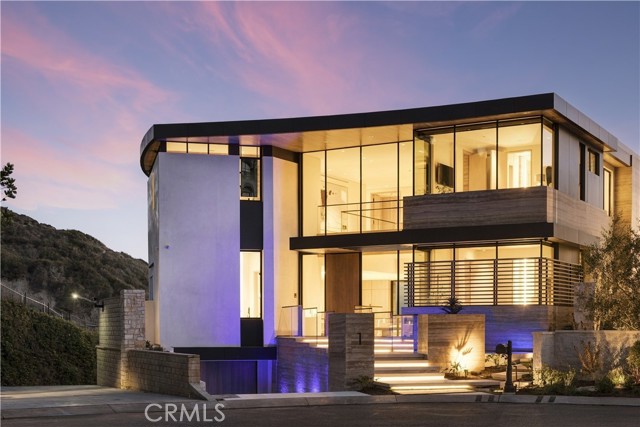
Millbrae's residential appeal comes from variety rather than a single signature mansion style. Spanish-influenced period homes, mid-century ranch houses, split levels, view-oriented hillside designs, and newer apartments each express a different stage of the city's growth. In some older houses, original materials and street-facing proportions define the character; in others, a thoughtful remodel creates a more fluid relationship between interior rooms and the garden.
The details that make a home enjoyable also explain why seemingly similar properties can differ. On sloped lots, useful outdoor space and privacy may matter more than gross parcel size. In low-profile mid-century homes, the connection between roof form, windows, ceiling height, and landscape can carry much of the architectural value. Near major routes, insulation, glazing, and ventilation can influence comfort. For established homeowners, these are considerations for maintenance and improvements; for someone planning a future move, they are part of understanding what makes a particular property distinctive.
Millbrae's real estate story is closely tied to geography. Its BART and Caltrain interchange, access to SFO, and location between San Francisco and the Peninsula's employment centers give the city a regional usefulness that extends beyond its size. For households who value travel flexibility, a home within a comfortable route of Broadway or the station may offer a different kind of convenience from a larger property farther into the hills. Yet airport access and rail proximity also bring noise, traffic, and street-specific trade-offs that need to be understood rather than marketed away.
The city's residential areas serve different preferences. Some Highlands streets offer older architectural character and established gardens; Mills Estates and other mid-century neighborhoods emphasize house-to-landscape relationships; the hills can add views, slope, and more complicated site conditions. A larger gross lot on a hillside may provide less usable level space than a smaller flat parcel, while a carefully modernized house can add daily comfort without changing its neighborhood identity. Housing near commercial and transit corridors introduces another set of priorities involving density, services, and access.
For homeowners and those considering a move, Millbrae's value should be understood through the combination of location, property condition, usable land, noise exposure, and the quality of the renovation—not simply an airport-distance map or a citywide median. Its strengths are meaningful, but prices still move with financing conditions, local inventory, and the specific mix of homes being sold.
The City of Millbrae's long-range planning distinguishes its established residential neighborhoods from the areas expected to absorb more intensive development, including the station area, El Camino Real, and downtown. This creates a visible contrast: one part of the city is defined by older homes and landscape, while another is adapting to mixed-use buildings, a growing range of housing types, and changing commercial activity.
For residents and property owners, that evolution may affect pedestrian connections, services, streetscape, and the character of nearby blocks over time. Plans are not guarantees that a specific project will occur; current approvals, zoning, permits, and construction status must be confirmed separately. It is more useful to recognize the direction of change than to describe the city as either untouched or completely transformed.
Millbrae's identity lies in the meeting of several landscapes: an old railroad and estate history, busy Broadway storefronts, green neighborhood parks, Spanish-style streets, postwar housing, hillside views, and one of the Peninsula's most important rail connections. There is no single version of Millbrae life. Some people value being able to walk to the farmers' market; others appreciate the residential hills, a familiar park, or the ease of connecting to work and family elsewhere in the Bay Area.
The most meaningful way to understand the city is at street level—how the houses sit on their lots, where the afternoon light falls, how neighbors use the parks, and how each part of Millbrae relates to the wider Peninsula. Those details make its neighborhoods distinct and keep Millbrae's story relevant whether someone has lived here for decades or is discovering it for the first time.
Browse the available properties in the area below.
Browse the available properties in the area below.